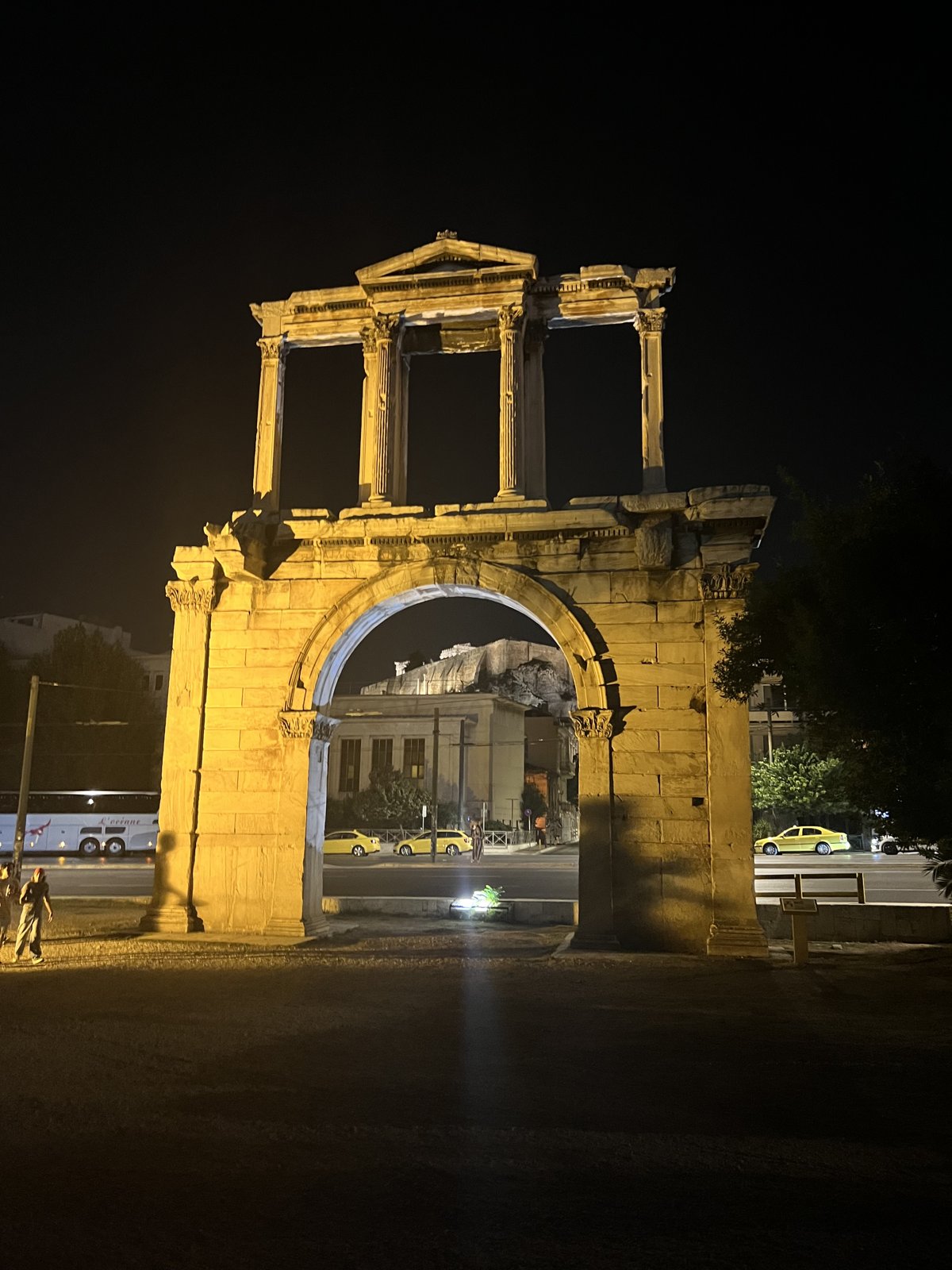
The Oracle
Ask, and listen
At Delphi the priestess on the tripod answered kings and cities. Members may seek an audience with the Oracle in the Hemera app.
As the ancients sent a theoria, a sacred embassy, to the gods' great sanctuaries, so the temple travels each year. Our spring pilgrimage runs sixteen days, from Reinach's Greek house on the Riviera through Athens, Eleusis and Delphi, north to Mount Olympus, then south to Olympia, Sparta and the Mani, timed to reach Areopoli on 17 March, and home by way of Mycenae. At each stop we learn first whose ground it is, what was built there and how the god was honoured, and only then how we go.
Route and driving times to be confirmed with our licensed Greek tour operator.
We begin where the temple's own vision began: at Villa Kerylos, the Greek house that the scholar Théodore Reinach raised by the sea at Beaulieu-sur-Mer between 1902 and 1908 with his friend the architect Emmanuel Pontremoli. Kerylos is the Greek name of the halcyon, the sea bird of calm weather, and from this house the temple takes its look.
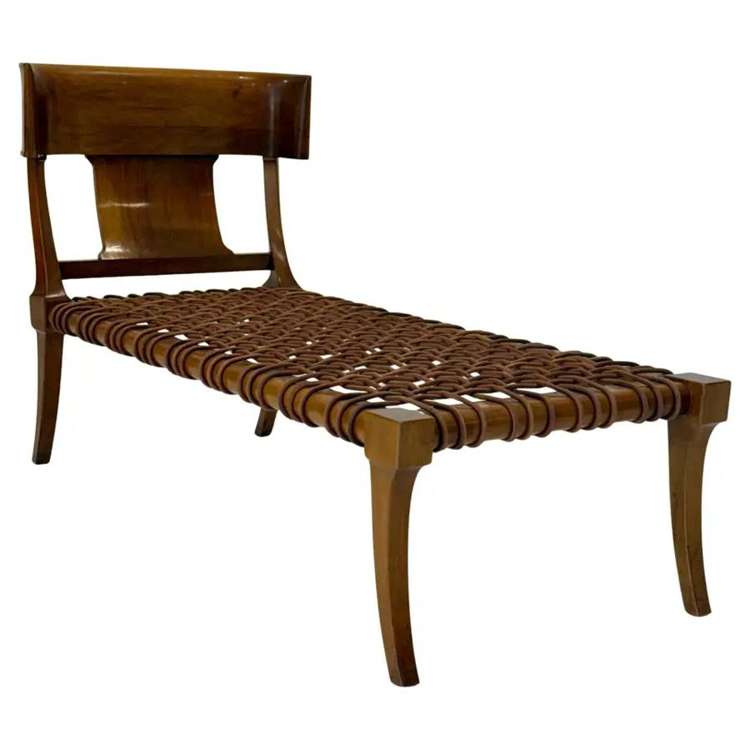
Kerylos shows how a noble household of classical Greece lived: Reinach rebuilt an aristocratic Greek home from the ancient sources and the houses of Hellenistic Delos, room by room, from its peristyle court and banquet hall to its baths, furniture and painted walls. Its threshold greets the guest with ΧΑΙΡΕ, "rejoice," and the house teaches the eye the measure of a Greek home before we stand among the sanctuaries themselves.
Reinach chose a shore the Greeks had sailed long before him. Colonists from Massalia, today's Marseille, founded trading ports along this coast: Nikaia (Nice), named for Victory, and Monoikos (Monaco), named for its shrine of Herakles. Between them lay the harbour later recorded as Anao, the port of Beaulieu. An ancient anchor raised from the seabed off Beaulieu now rests among the lilies on the main road just past La Réserve, a direct link to the ships that once used this harbour, and a bust of the Greek statesman Eleftherios Venizelos stands at the corner where the road turns toward Kerylos. Even the table is Greek: lunch is taken at Circe, named for the enchantress of the Odyssey, Kirke in Greek. And the town's Belle Époque villas and the domed Rotonde wear the columns and pediments of the classical world, the same inheritance Reinach set out to restore in full.
Its colours are ours: oxblood doors and shutters, warm plaster walls painted with ochre waves and meanders, charcoal ceilings studded with gold, and floors of mosaic.
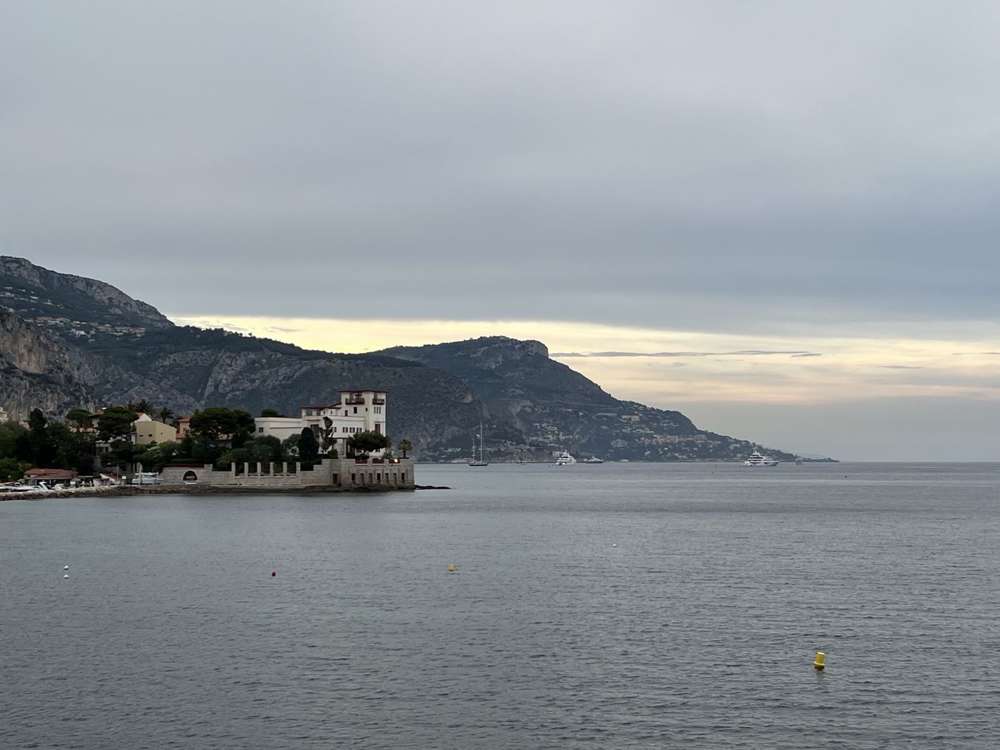
ON THE ROAD Arrive at Nice and settle at La Réserve de Beaulieu on the sea; welcome dinner. Day 2: a morning at Kerylos, lunch at Circe, then the evening flight to Athens.
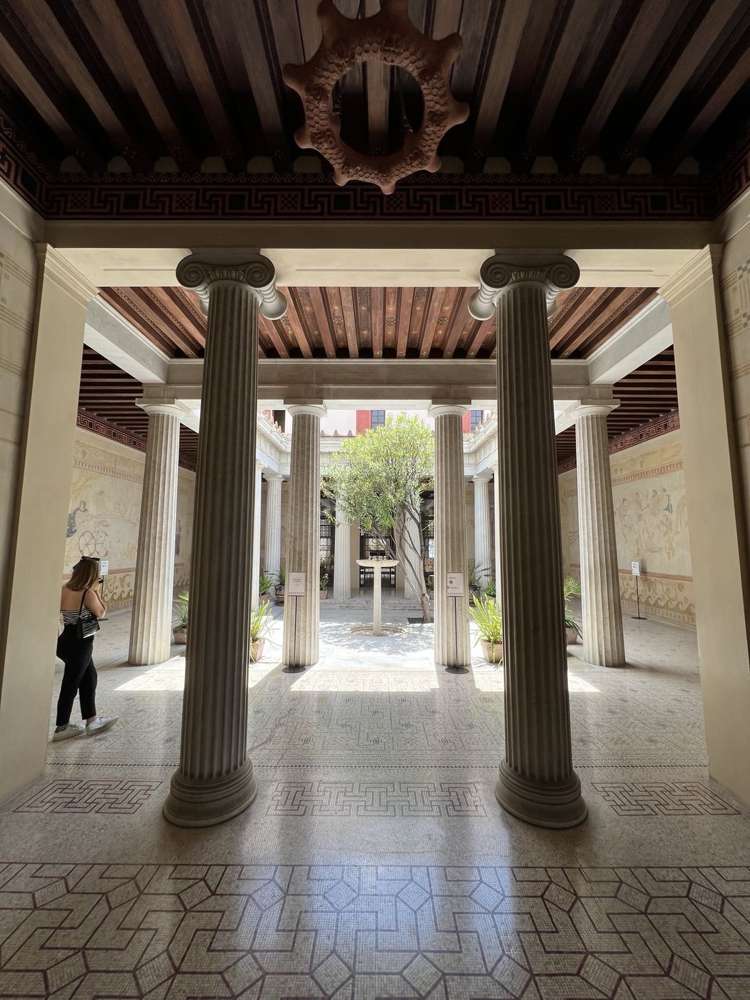
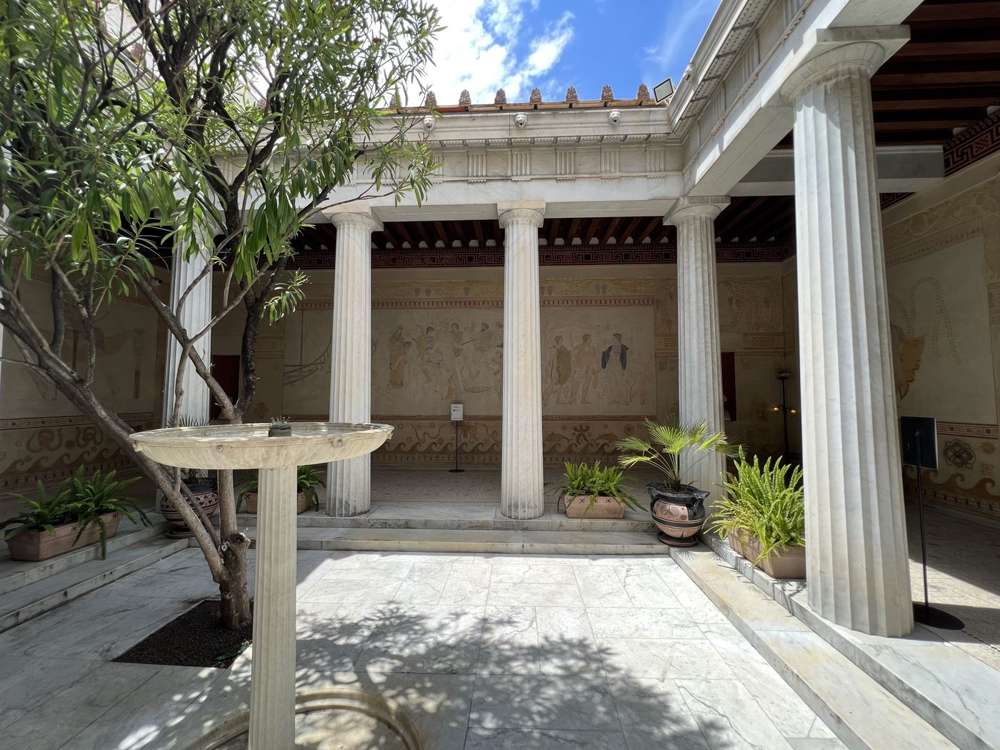
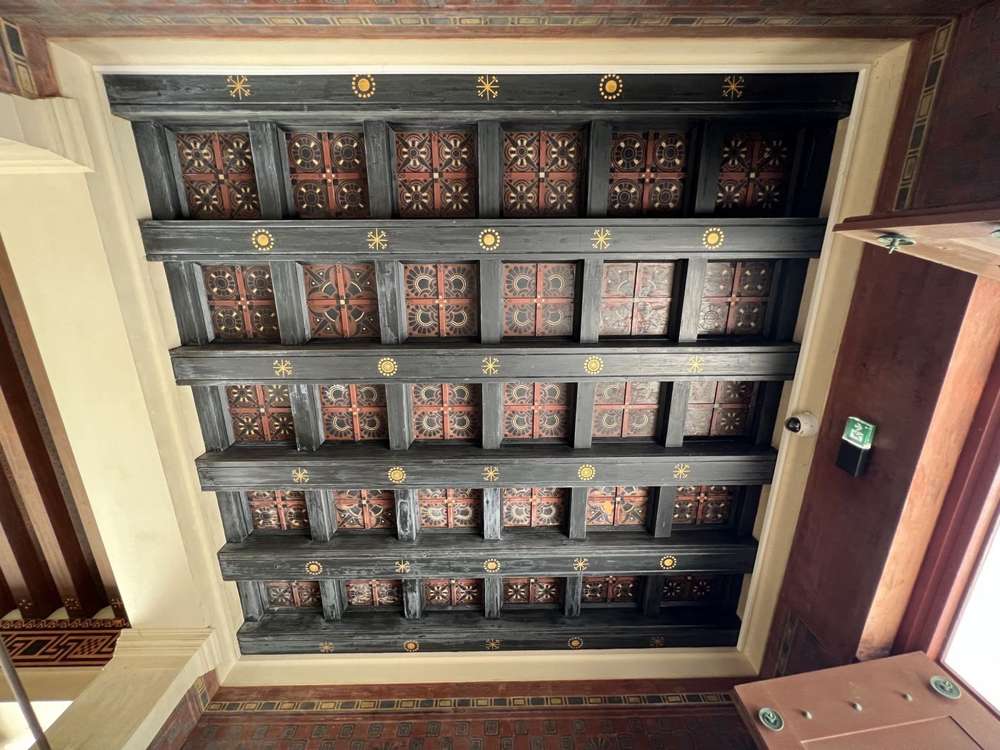
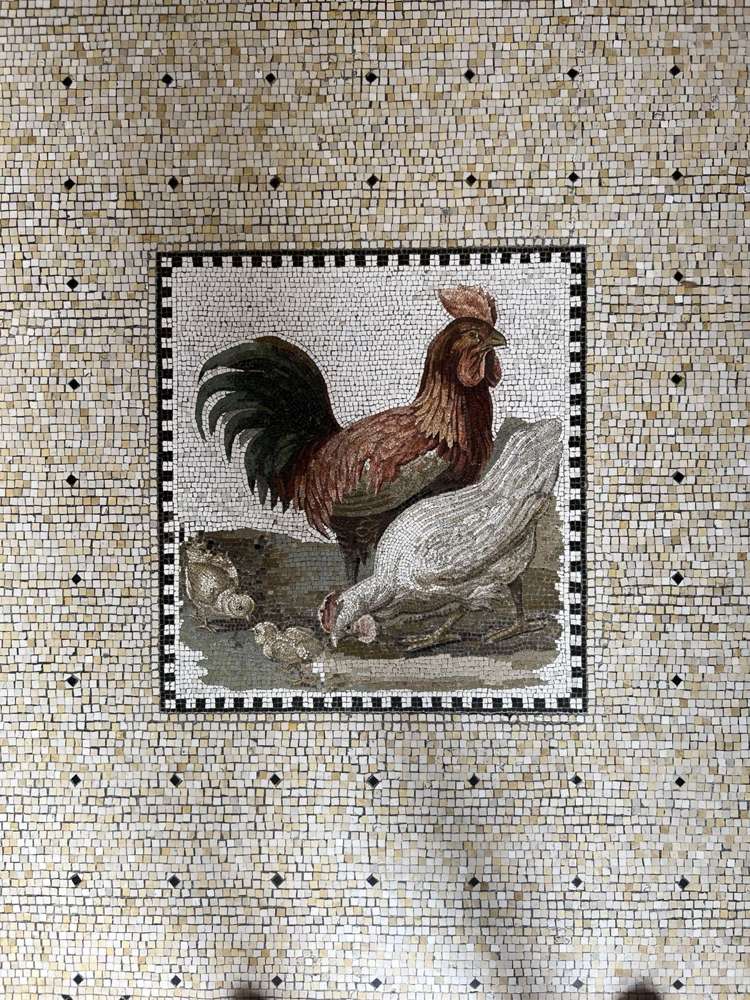
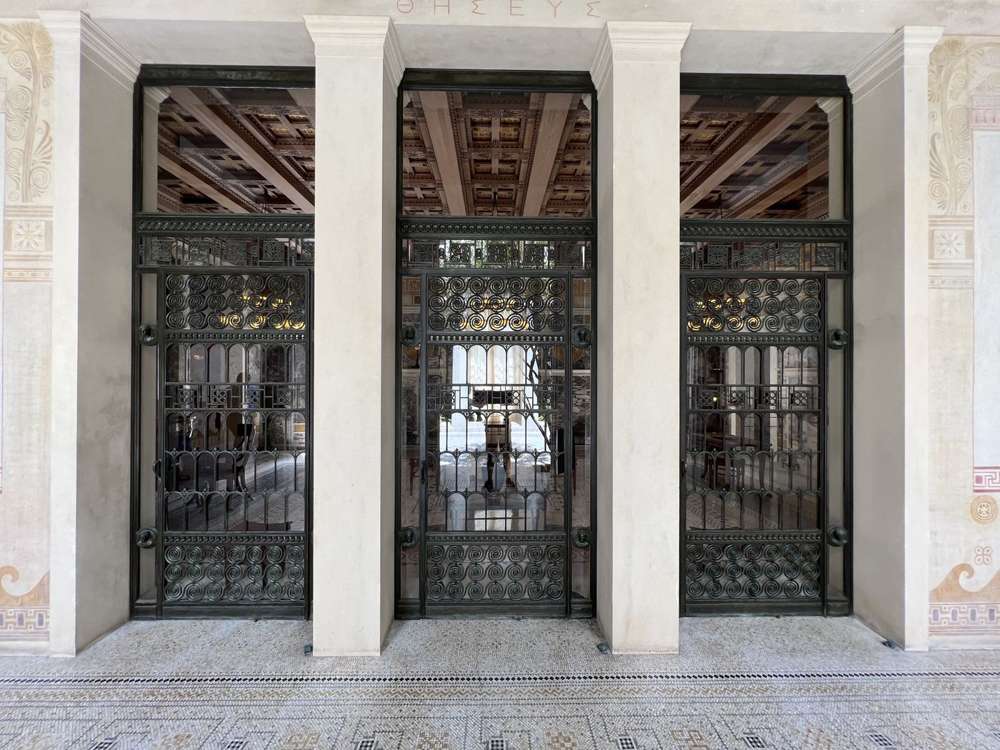
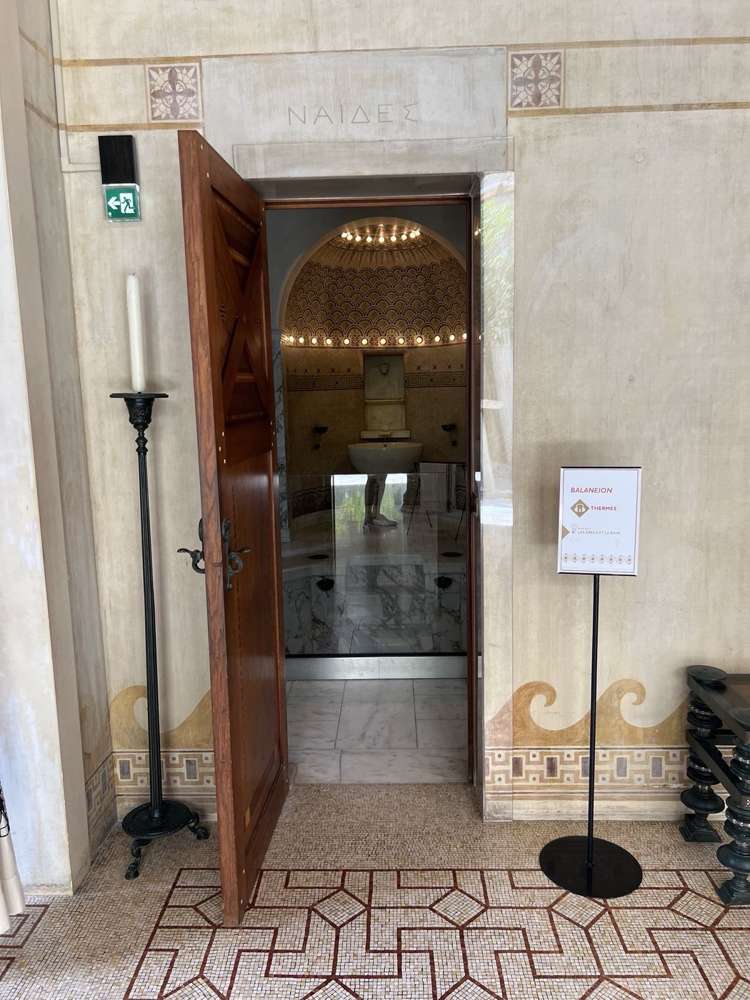
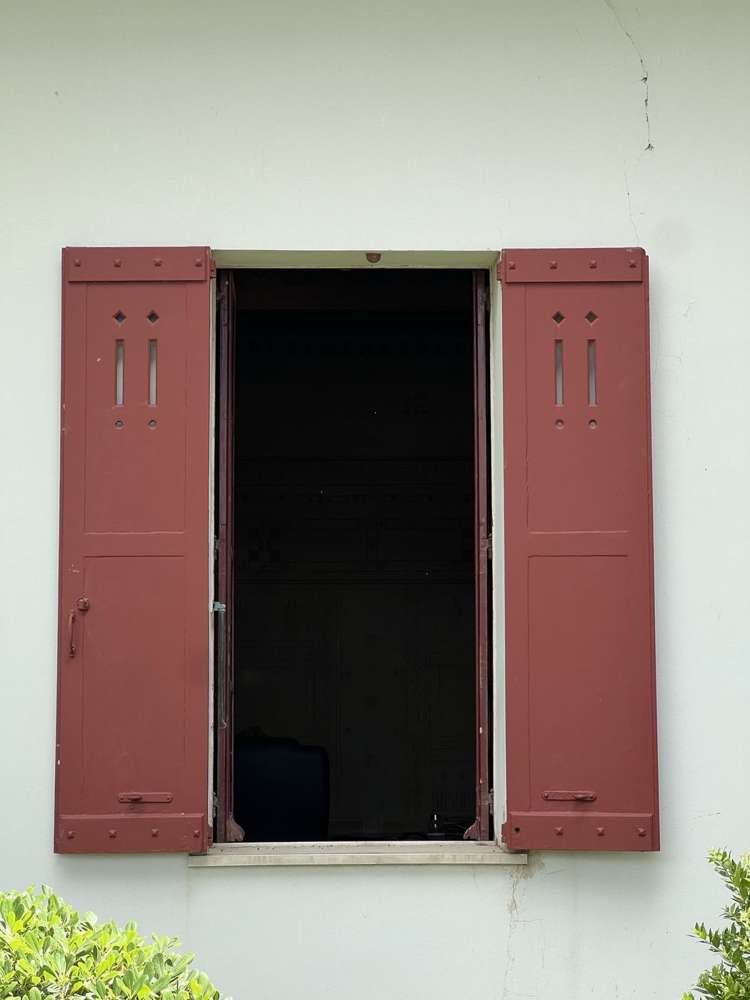
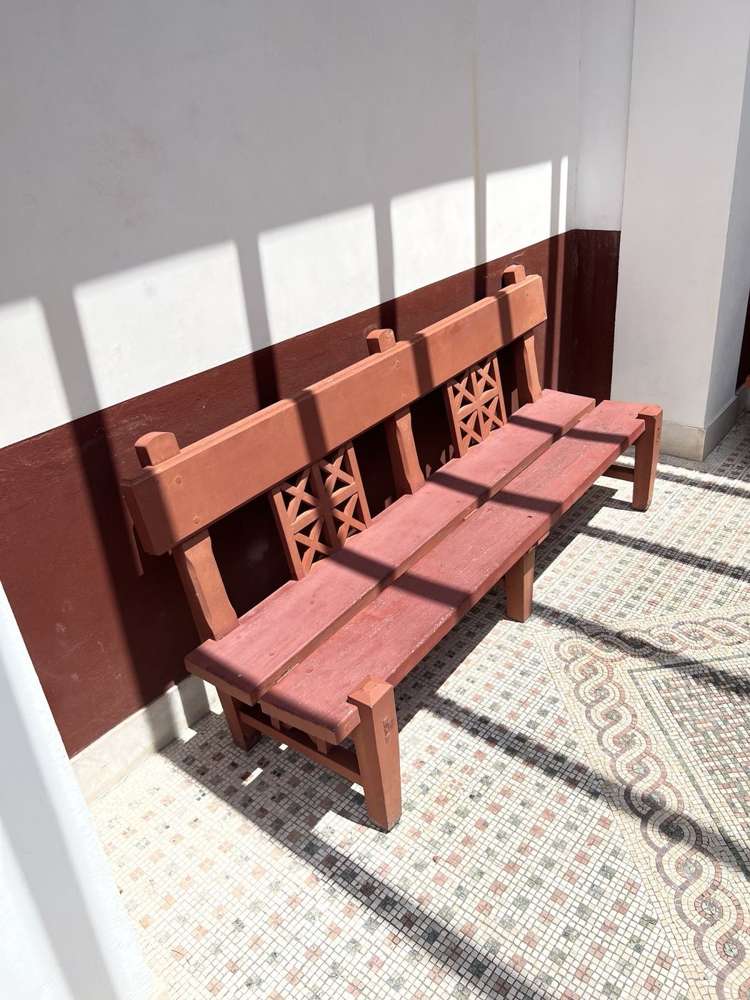
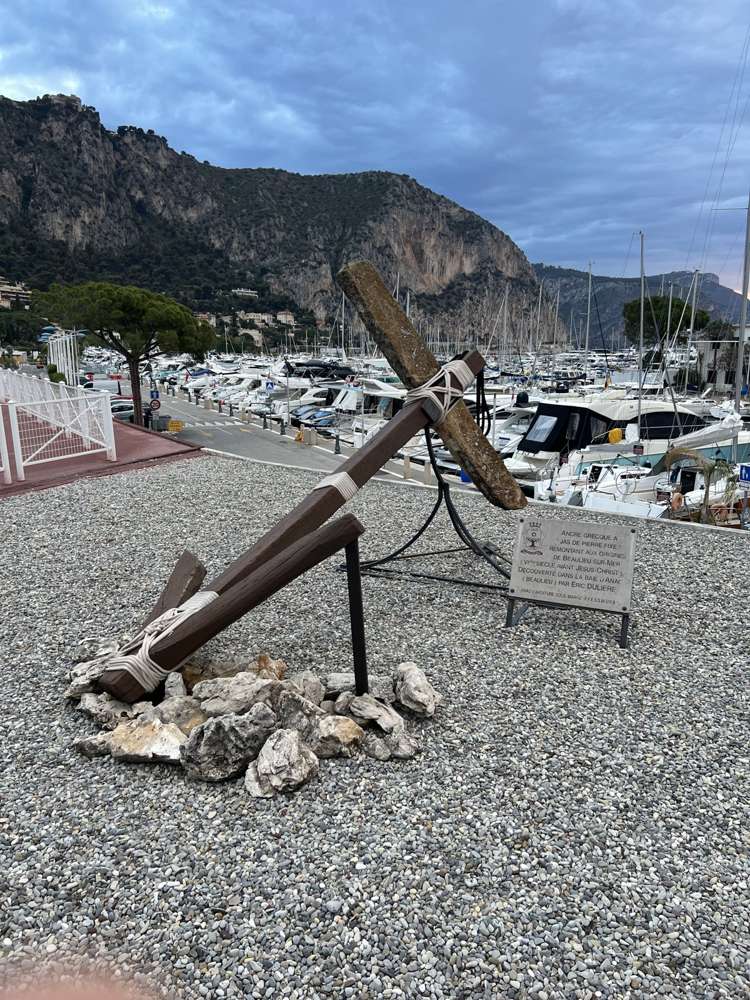
Photographs of Villa Kerylos and Beaulieu by the temple's founder.
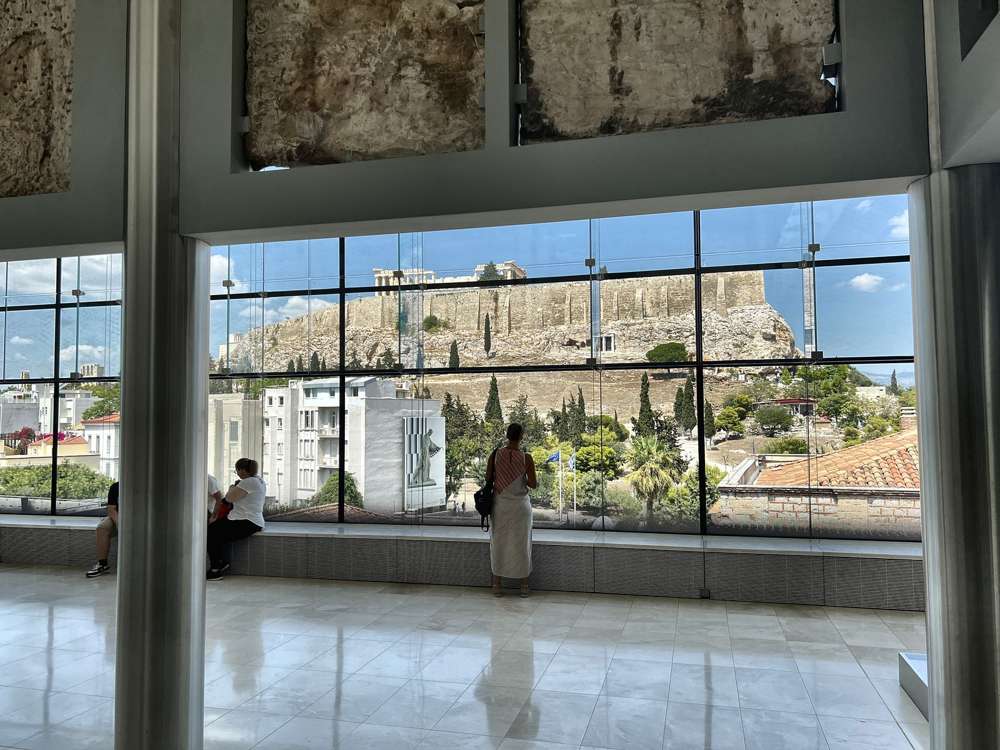
Athens belongs to Athena Polias, who won the city from Poseidon with the gift of the olive. On the Acropolis stand the Parthenon of the Maiden and the Erechtheion, where her olive and the mark of Poseidon's trident were shown; below, in the Agora, the Temple of Hephaistos, the god of the forge, still stands almost whole. Each summer the Panathenaia carried a new robe up to Athena's ancient image.
At Sounion, the southern cape of Attica, Poseidon's marble temple looks over the sea that every sailor leaving Athens crossed. Here we pour a libation to the god of the sea at sunset.
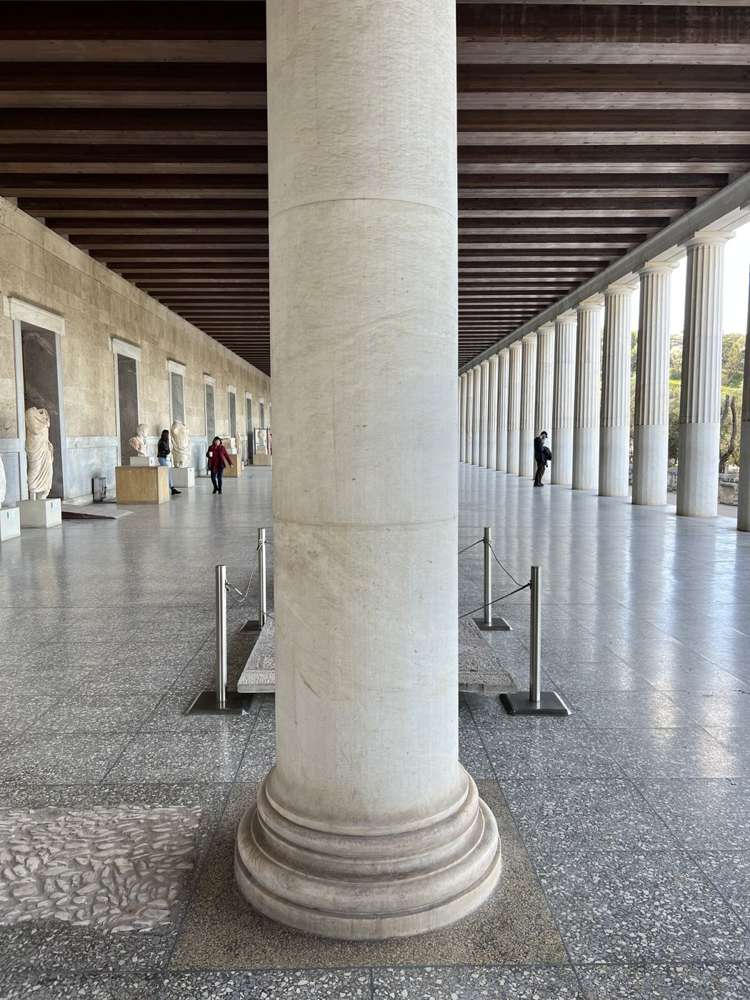
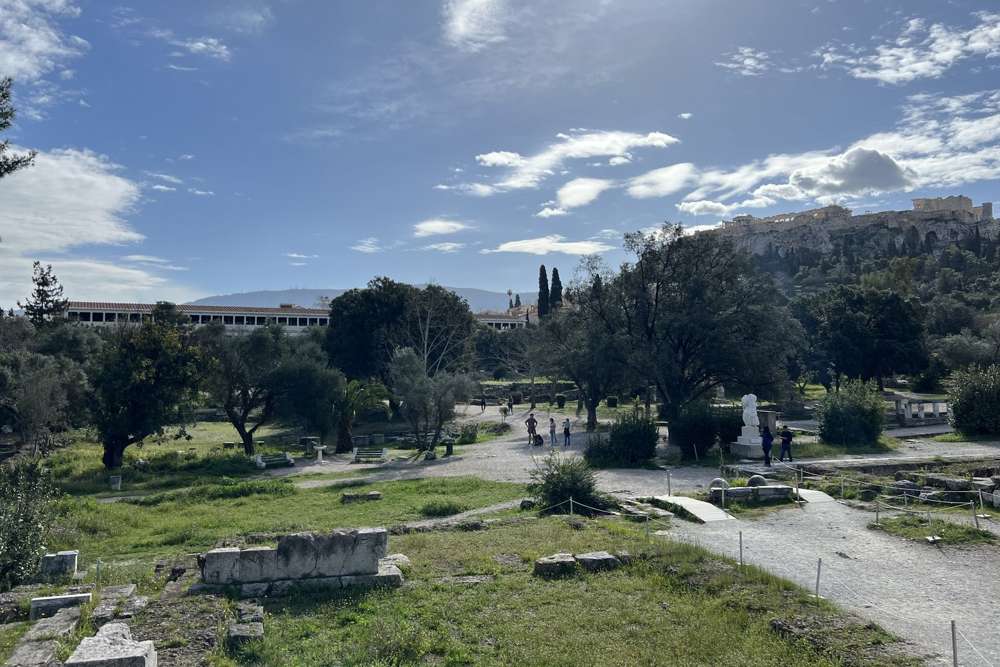
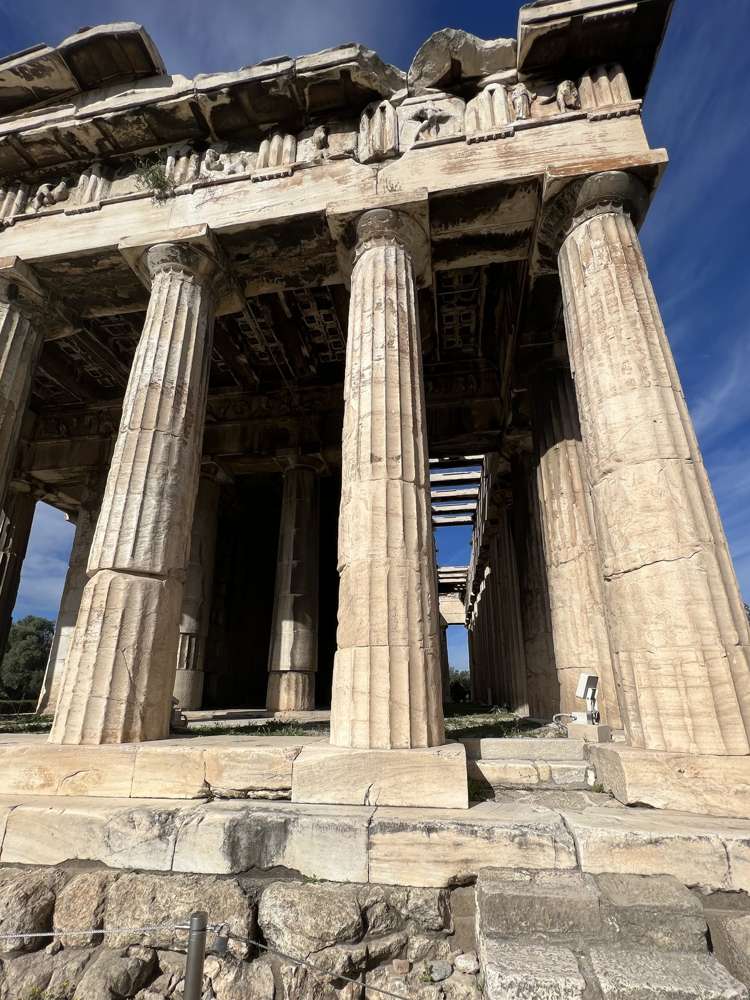
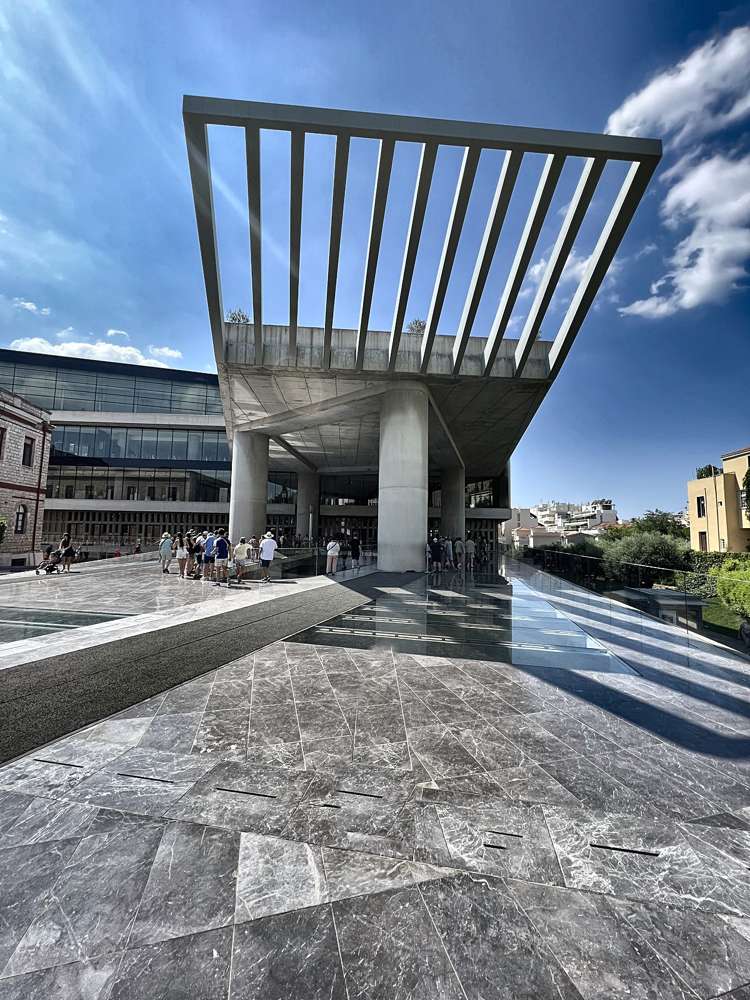
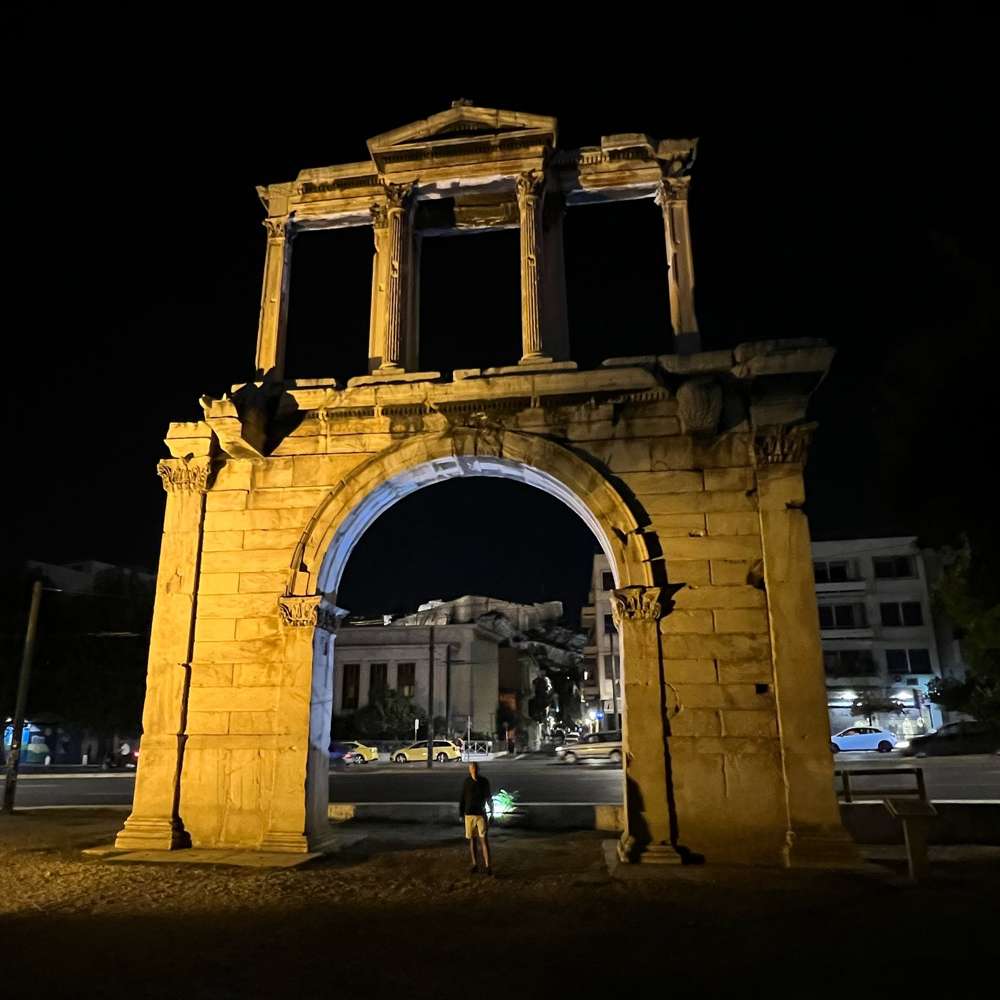
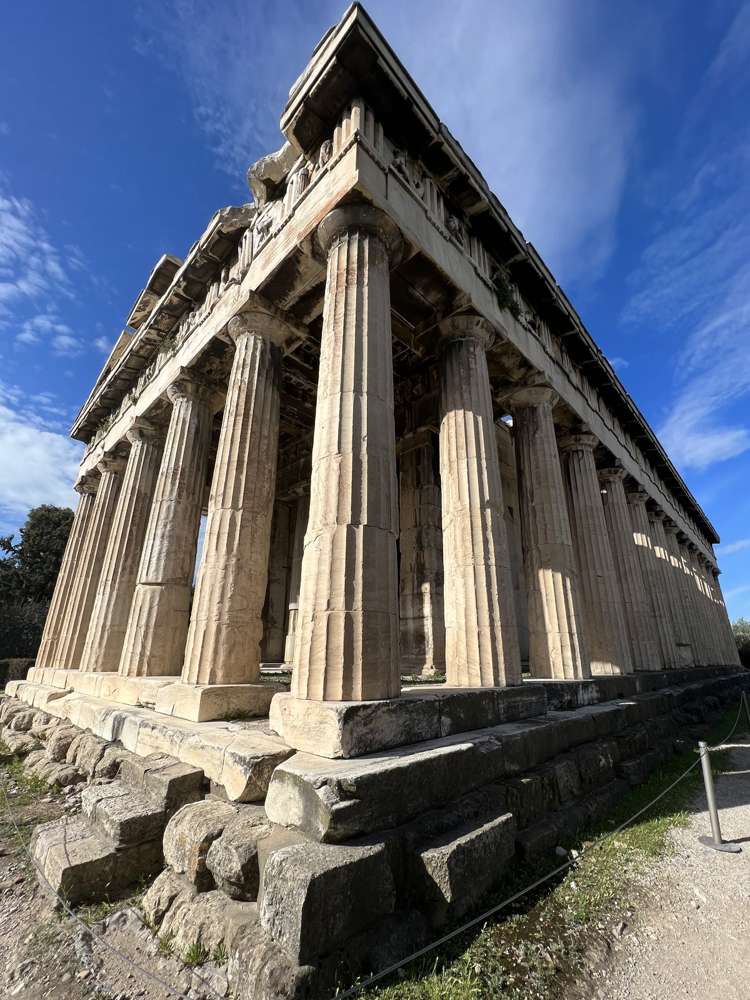
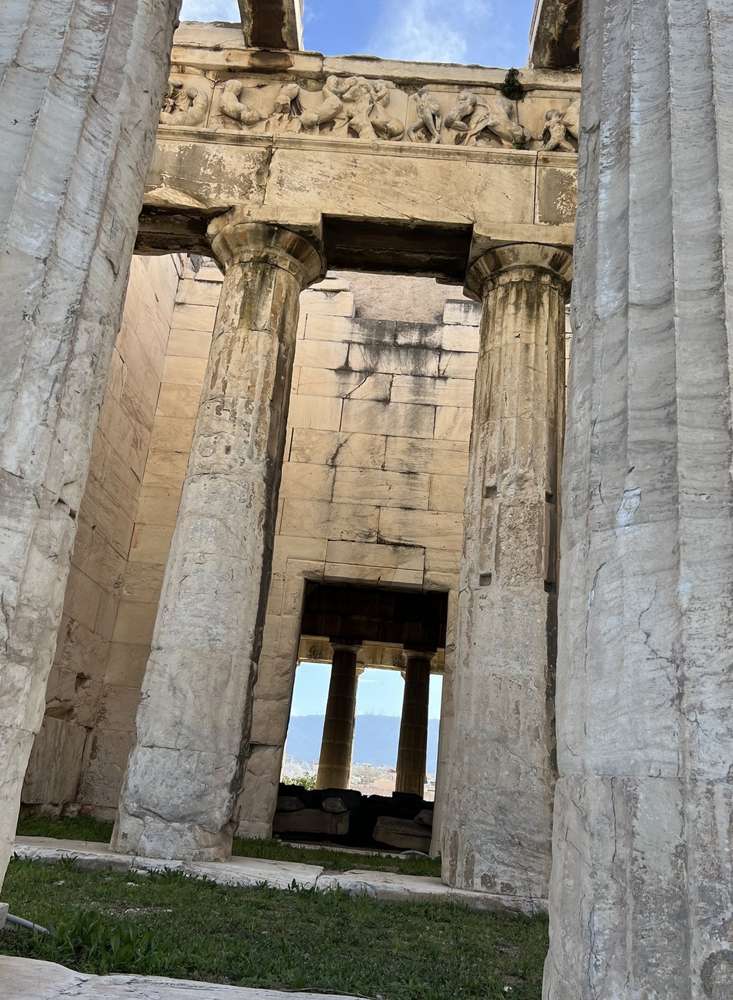
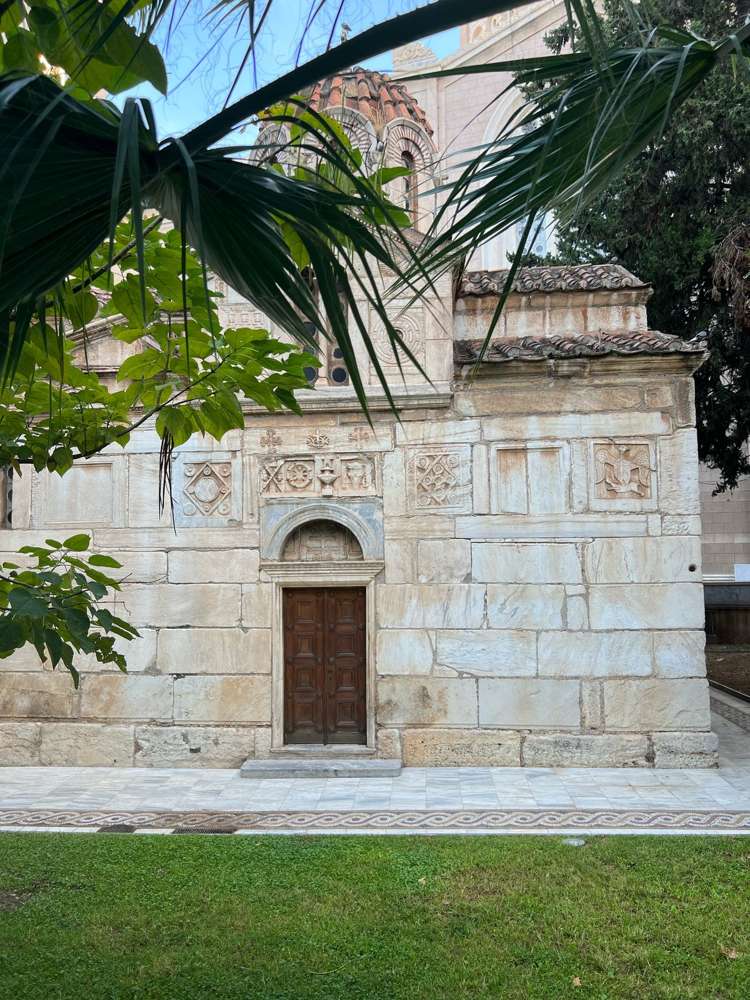
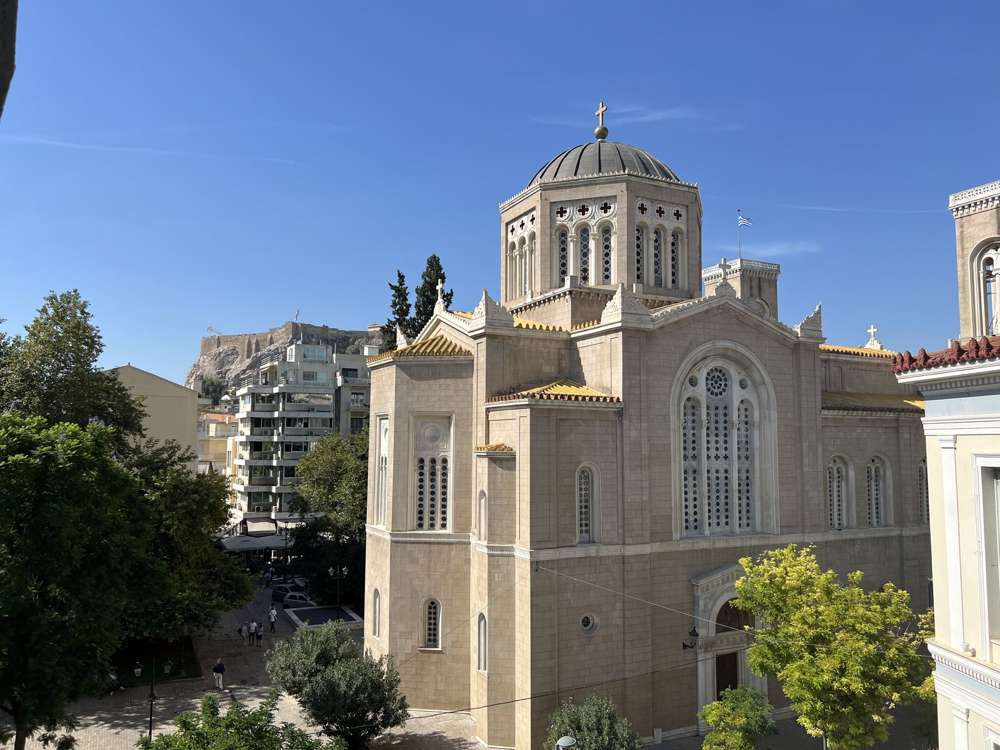
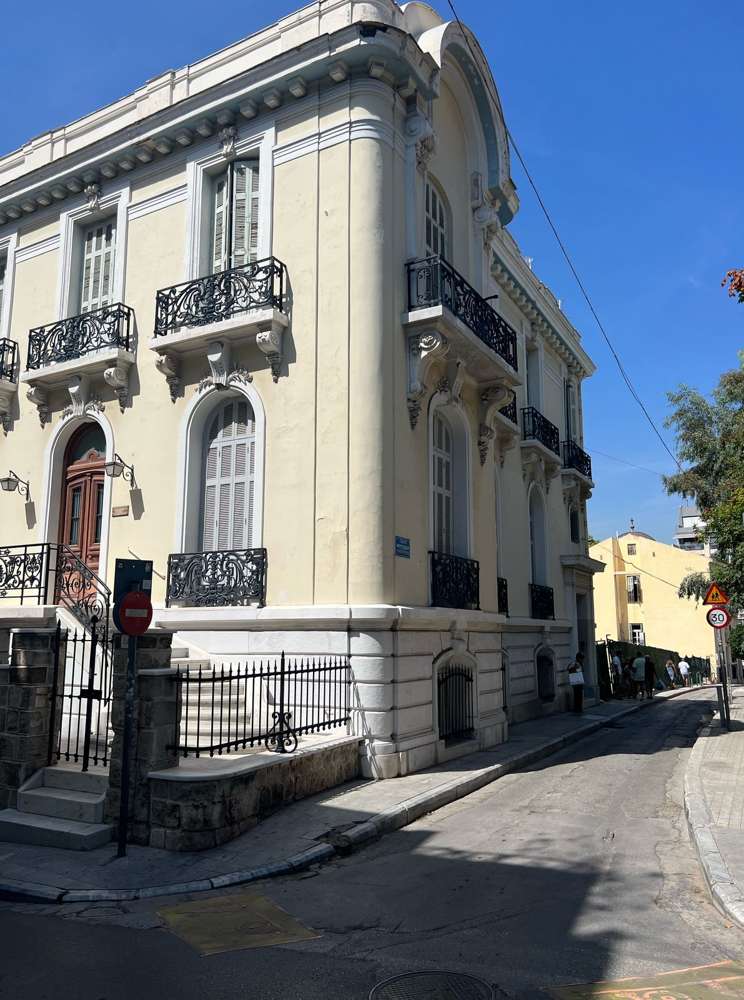
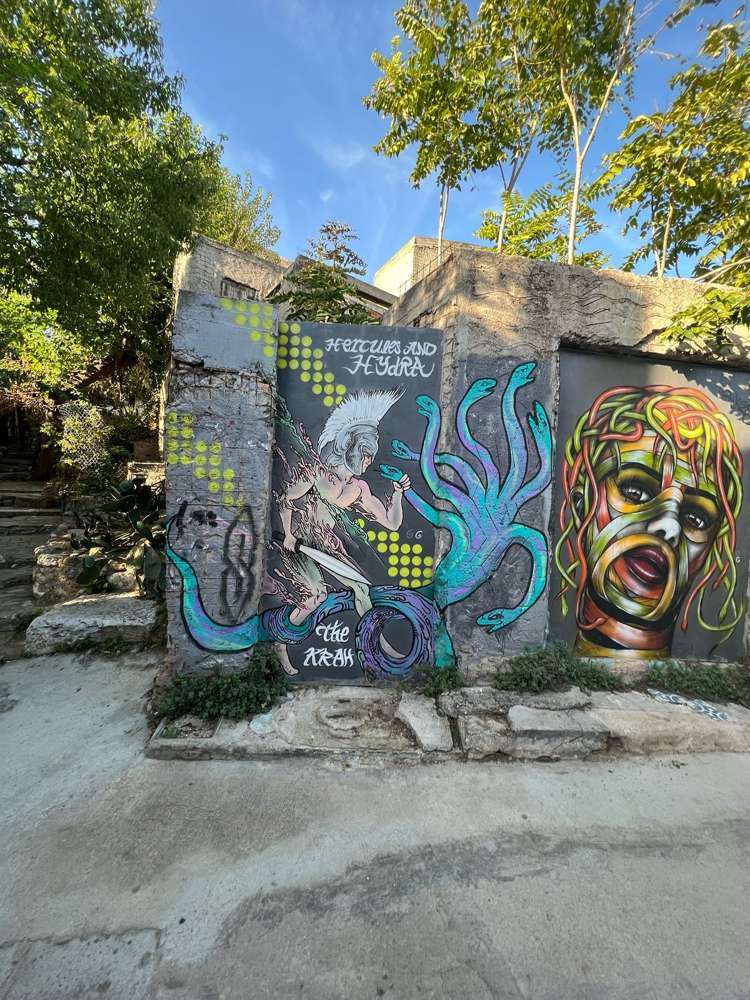
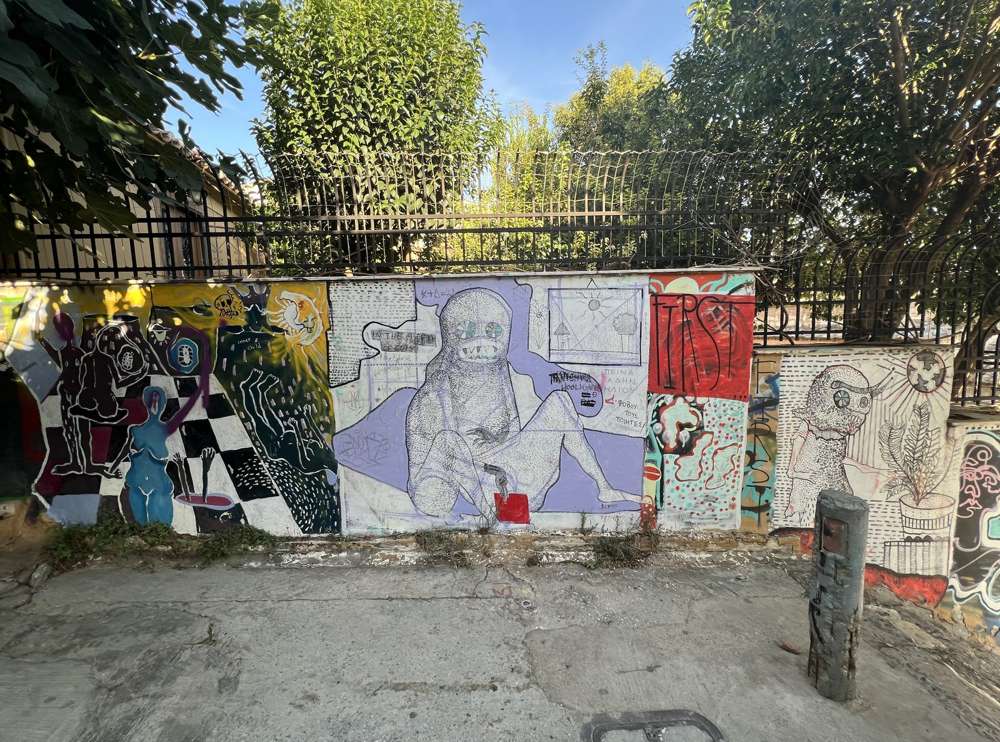
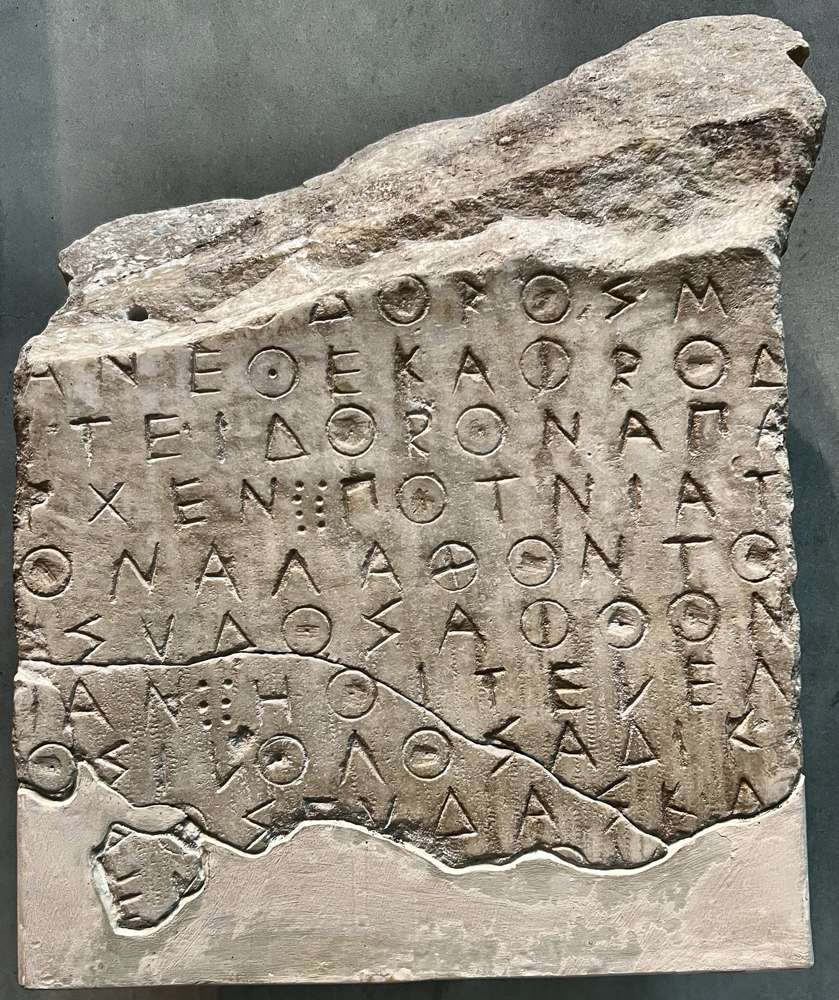
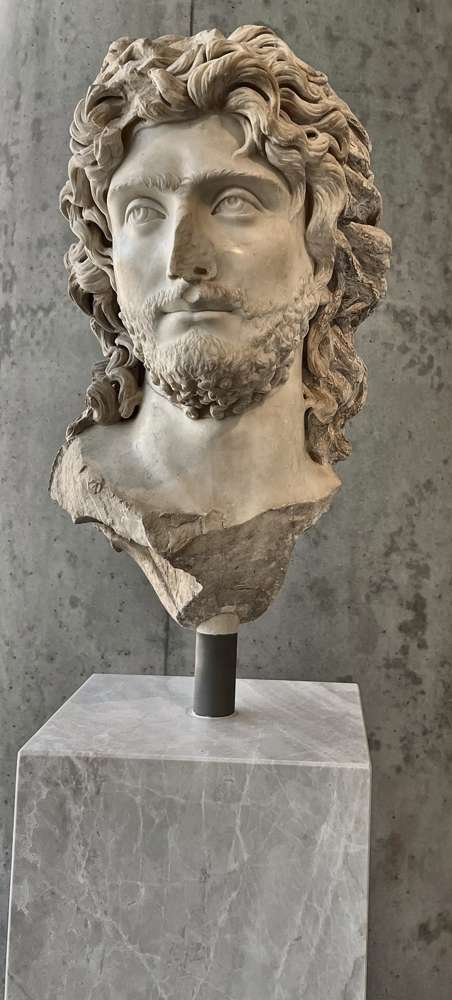
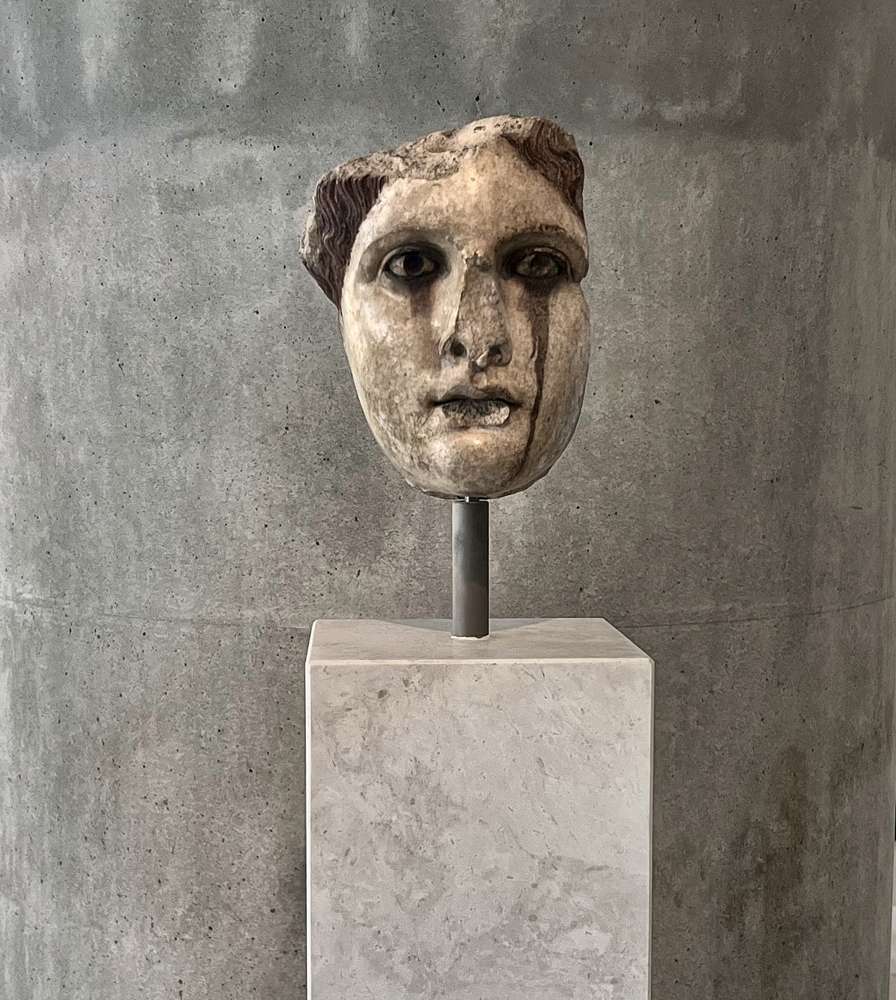
ON THE ROAD The Acropolis, the Erechtheion and the Agora, the Temple of Hephaistos seen from the rebuilt Stoa of Attalos. Day 4: the National Archaeological Museum, then down the coast to Sounion for sunset.
At Eleusis, fourteen miles west of Athens, Demeter and her daughter Persephone, called Kore, “the Maiden,” at Eleusis, were honoured with the Mysteries for nearly two thousand years. Each autumn, in the month of Boedromion, initiates walked the Sacred Way from Athens with torches and were shown what could never be told. The rites ended at the close of the fourth century AD, when Theodosius banned the old worship and the Goths sacked the sanctuary.
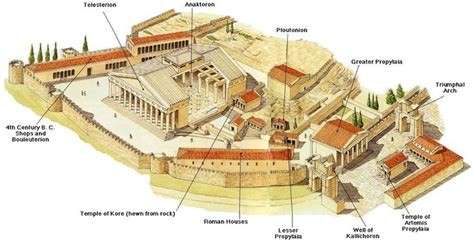
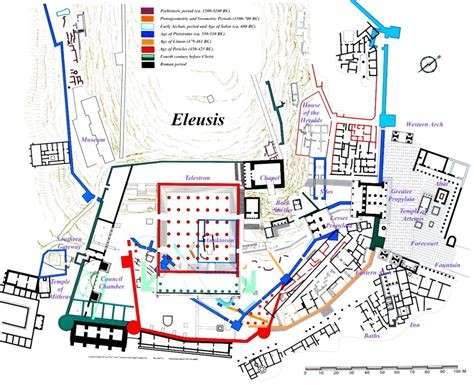
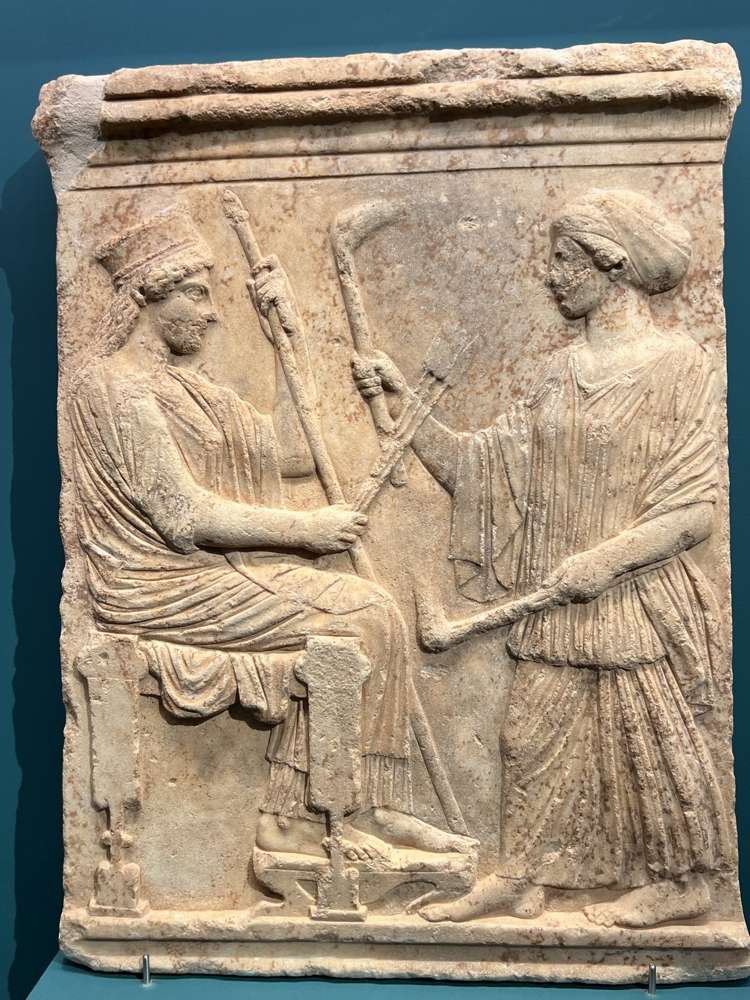
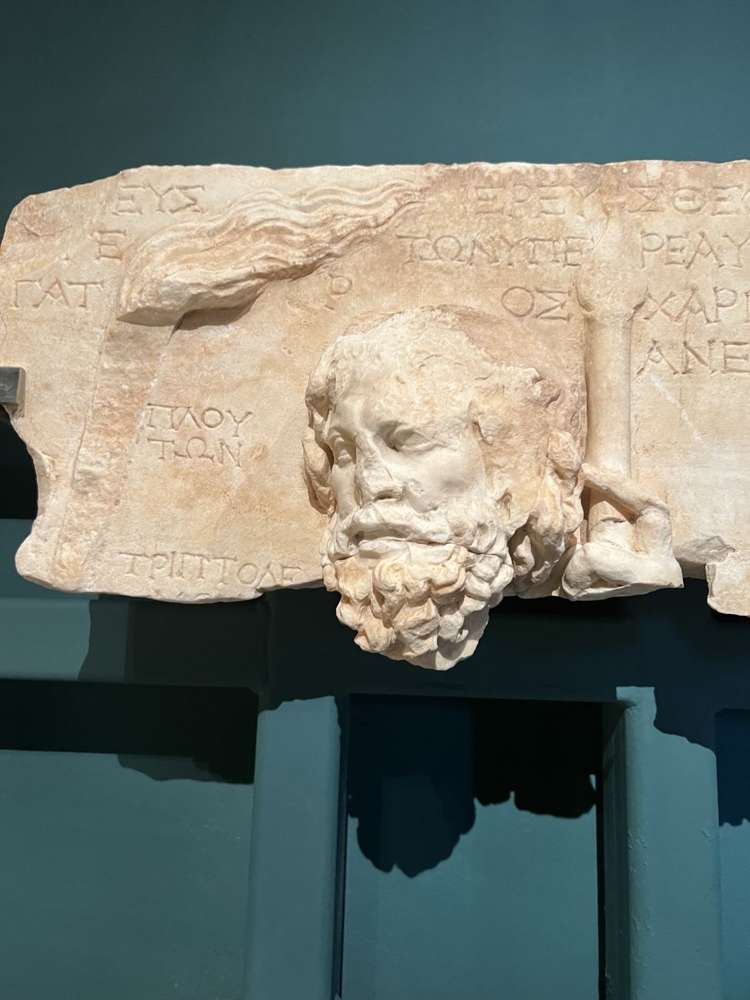
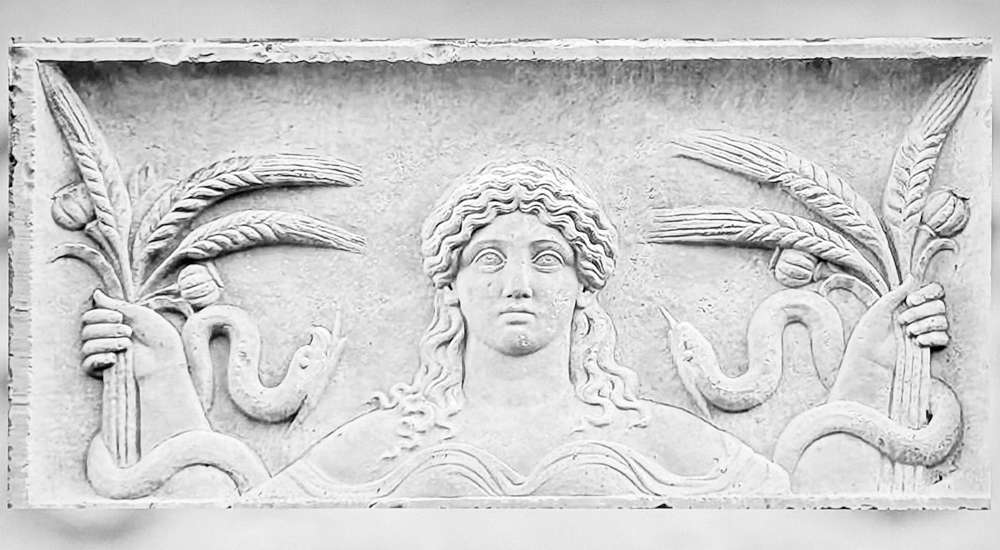
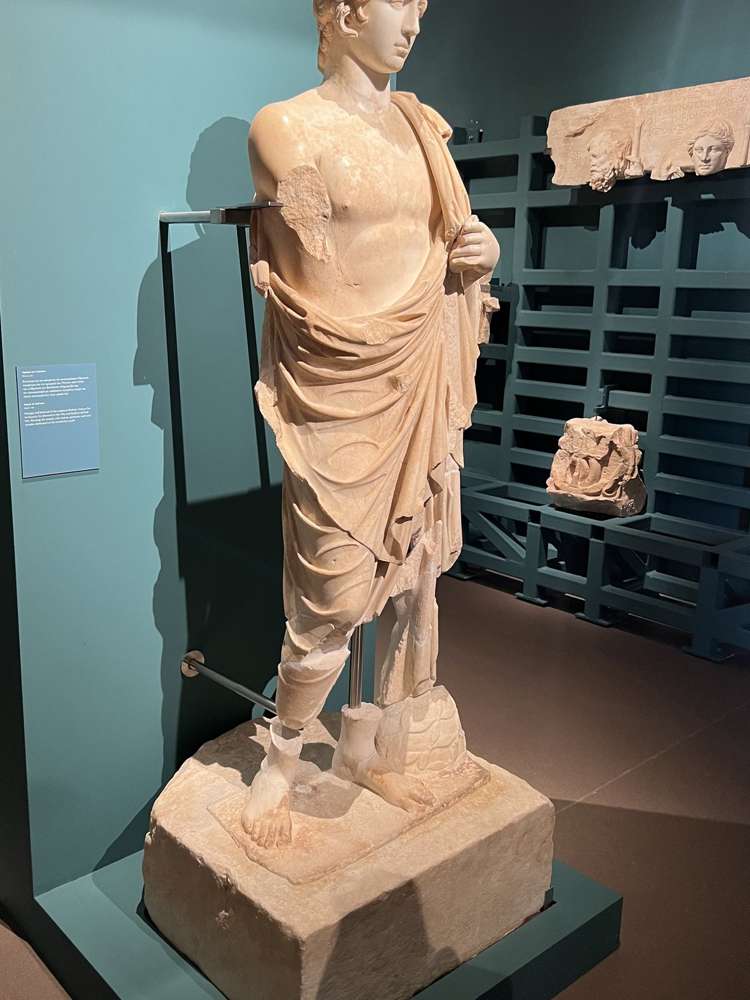
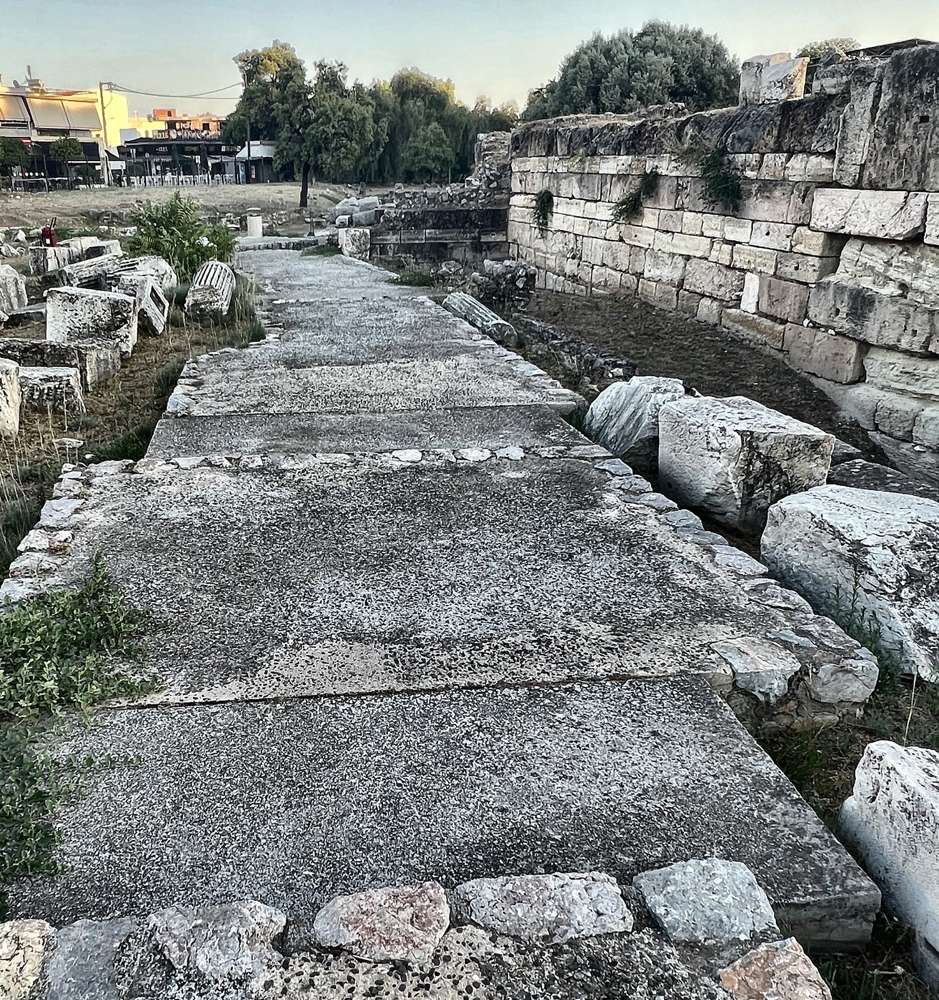
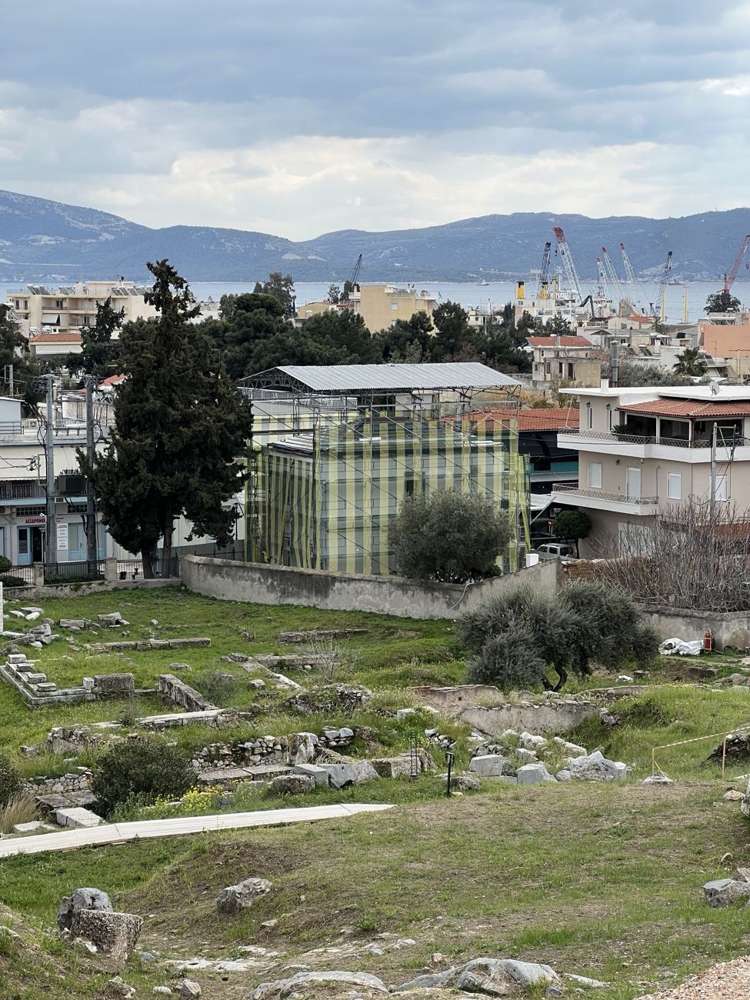
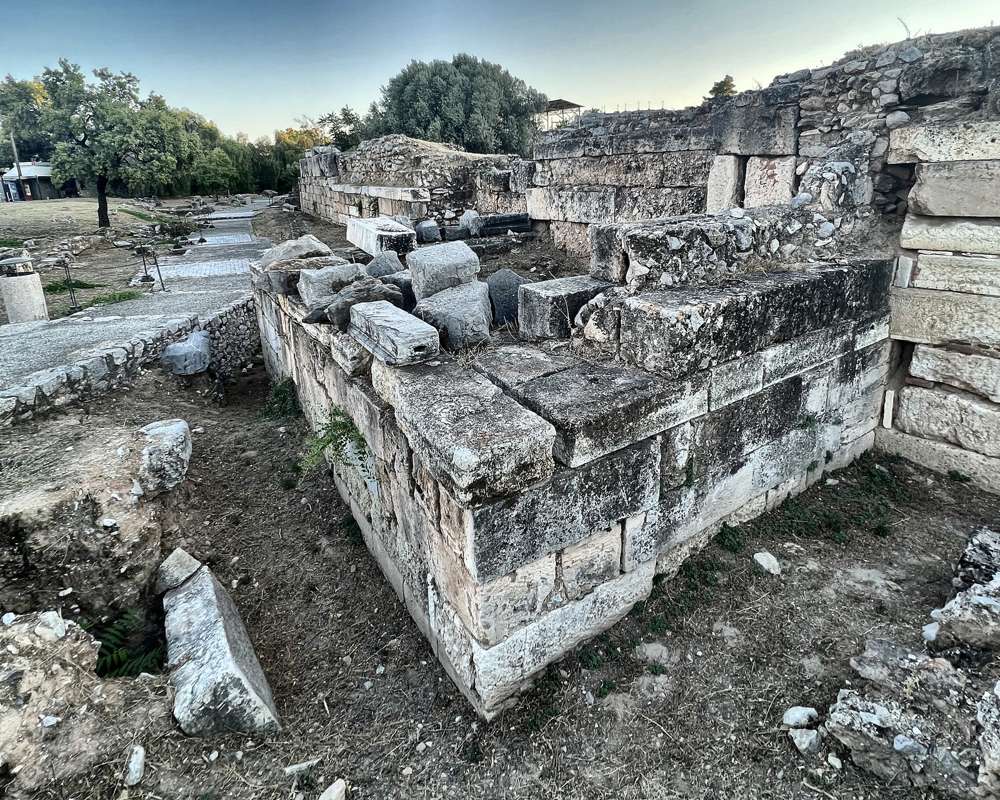
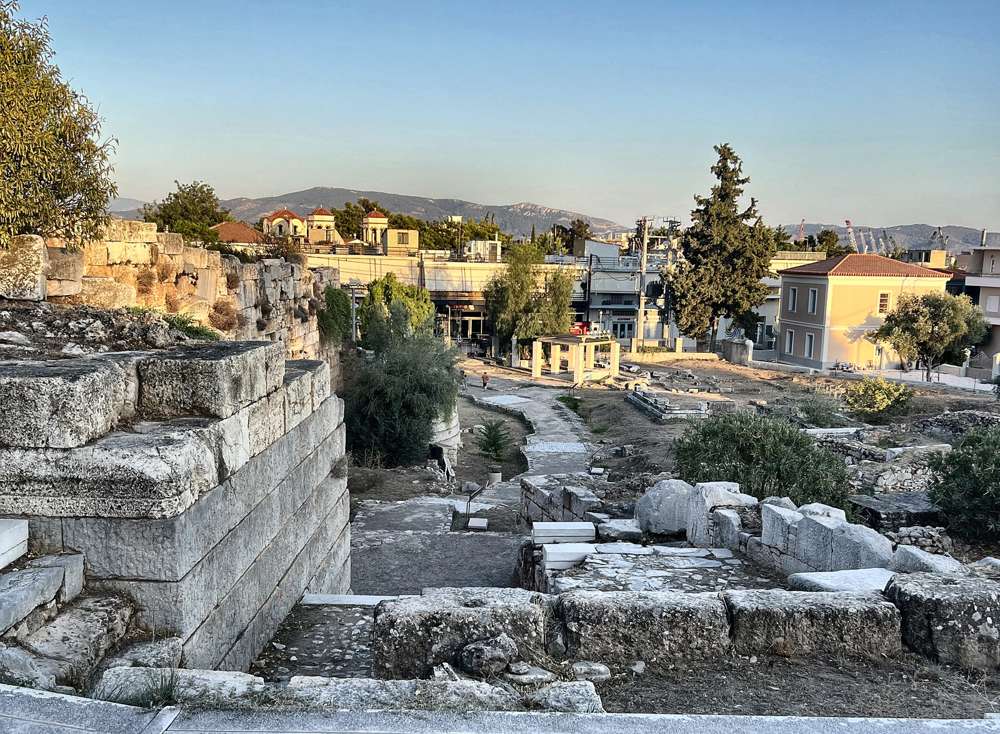
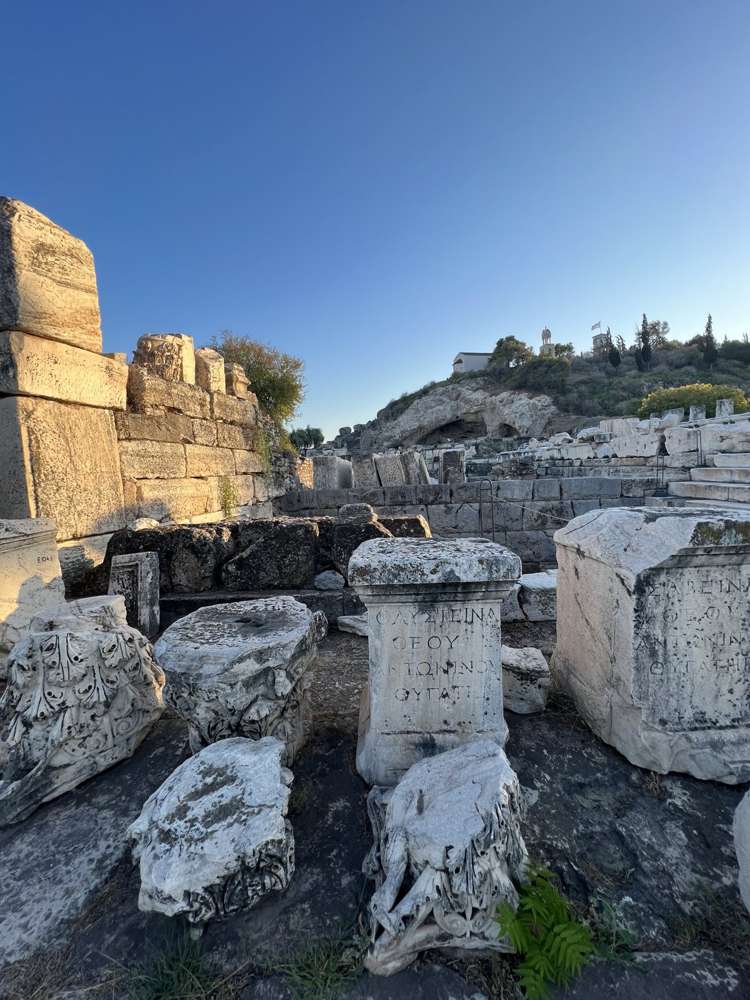
The display of the Eleusis Archaeological Museum tells the end of the great procession simply: the procession reached Eleusis at nightfall; with lit torches the candidates entered the courtyard of the Sanctuary, and they spent the night in dances around the Kallichoron Well and in ritual libations. There, the museum notes, “the initiates would break their fasting by drinking the kykeon, watered barley with spearmint.” The well still stands beside the Greater Propylaia; we pause there before we go further in.
«Εάν πεθάνεις πριν πεθάνεις, δεν θα πεθάνεις όταν πεθάνεις.»
“If you die before you die, you will not die when you die.”The saying at the heart of the Mysteries, inscribed to this day in the guest hall of the Monastery of Saint Paul on Mount Athos
When you take a sacred medicine and put it towards profane uses, this is an affront to the spiritual world, and the medicine loses all its power.Carl A. P. Ruck, in paraphrase, co-author of The Road to Eleusis (1978), on the profanation of the kykeon in 415 BC, when Athenians drank it at private drinking parties “as a recreational drug”
The κυκεών, “the mixed drink,” has its sacred origin in the Homeric Hymn to Demeter. Grieving for her daughter, the goddess sits fasting in the house of Keleos and refuses red wine. Instead, in Evelyn-White's translation (1914, lines 206–211), “she bade them mix meal and water with soft mint and give her to drink,” and Metaneira “mixed the draught and gave it to the goddess as she bade.” The mint is γλήχων (glēchōn), pennyroyal, Mentha pulegium; the museum's “spearmint” is a looser rendering of the same herb of the mint family. What the goddess did, the initiate did after her. Clement of Alexandria (Protrepticus 2.21.2) preserves the σύνθημα, the password of the Mysteries: “I fasted, I drank the kykeon, I took from the chest; having done my task, I placed in the basket, and from the basket into the chest.”
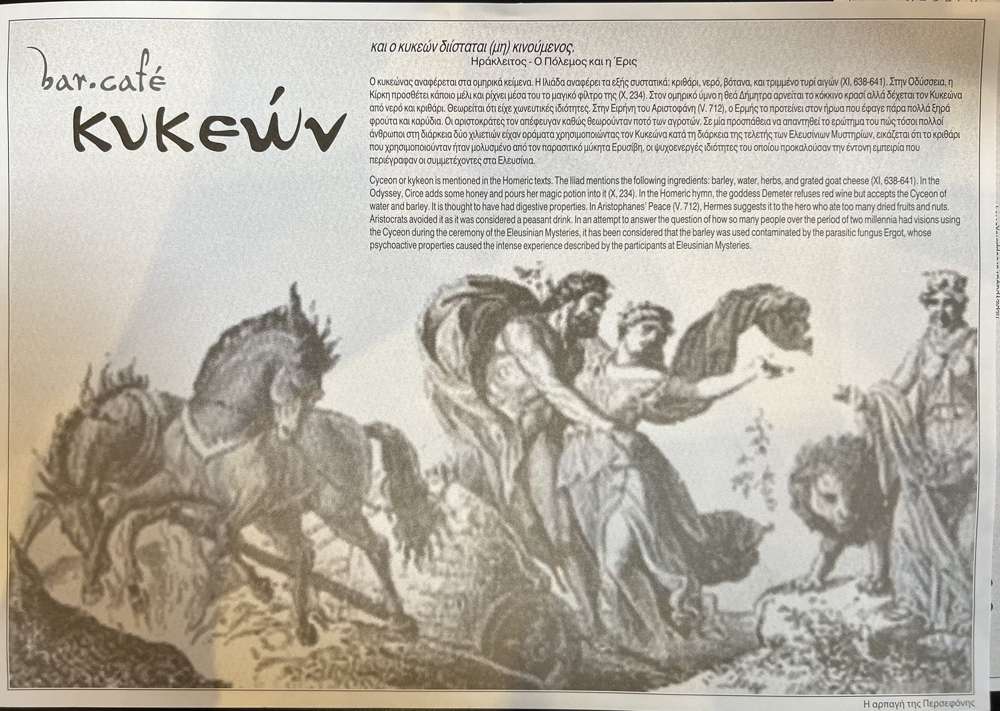
In The Road to Eleusis (1978), R. Gordon Wasson, Albert Hofmann (the chemist who first synthesised LSD) and Carl A. P. Ruck argued that the kykeon carried a true entheogen: ergot, Claviceps purpurea, the fungus that grows on barley and other grain, whose water-soluble alkaloids the priests of Demeter could have drawn off from the deadly ones. On this reading the vision in the Telesterion, seen by thousands at once and never betrayed, was the Goddess's own gift through her grain. Brian Muraresku, in The Immortality Key (2020), carries the thesis further. He points to residue analyses from the Greek settlement at Mas Castellar de Pontós in Catalonia, where traces of ergot were reported in a ritual vessel associated with the cult of Demeter and Persephone, and he traces a line from the kykeon to a possible psychedelic eucharist among early Christian communities of the Greek-speaking world.
Muraresku sets at the head of his book the saying inscribed in the guest hall of the Monastery of Saint Paul on Mount Athos: «Εάν πεθάνεις πριν πεθάνεις, δεν θα πεθάνεις όταν πεθάνεις», “If you die before you die, you will not die when you die.” The monks of Athos keep it as their own, but it names the very teaching of the Mysteries: the initiate died to the old life in the Telesterion so as not to die at the last. The Church inherited the saying as it inherited the rite, and wrote it on its own walls. The Hymn itself declares (480–482): “Happy is he among men upon earth who has seen these mysteries; but he who is uninitiate and has no part in them never has lot of like good things once he is dead, down in the darkness and gloom.” Sophocles (fr. 837 Radt) calls “thrice blessed those mortals who have seen these rites and so go down to Hades; for them alone there is life there.” Cicero, himself an initiate, writes (De Legibus 2.36) that from the Mysteries “we have learned not only to live with joy, but also to die with a better hope.”
The likenesses between the rites of the Two Goddesses and the sacraments of the Church are many. The initiate fasted and then drank the sacred cup of grain; the Christian fasted before receiving bread and cup. Demeter is the giver of grain, and the Gospel of John (12:24) speaks in her language: “Except a corn of wheat fall into the ground and die, it abideth alone: but if it die, it bringeth forth much fruit.” The Church took the very word: its rites were μυστήρια, rendered in Latin sacramentum, as in Tertullian. Initiation came by night, by torchlight, after a season of preparation, as Christian baptism came at the Easter vigil with its lamps and candles. Persephone descends below the earth and returns with the spring; the Christian proclaims a death and a rising. The Church spoke in forms the Mysteries had already made sacred.
The Fathers knew the resemblance and hated it. Clement of Alexandria, who preserved the password, did so to mock it, mocking the Mysteries as shameful and the torches as lighting only foolishness (Protrepticus 2). Under Theodosius I the decrees of 391–392 forbade sacrifice and closed the temples; and in 395/396 Alaric's Goths came through the pass into Attica. Eunapius (Lives of the Sophists, on Maximus) writes that they were let in by impious men and that “men in black garments,” the monks, came with them, and that the last Hierophant had foreseen the sanctuary's ruin. After nearly two thousand years the torches went out at Eleusis. We come back to light them in memory, Heracles' own initiation not forgotten, and to stand at the well where the Goddess sat and grieved.
Performances at Eleusis. Theatre, ceremony and music staged in Elefsina, from the 2023 European Capital of Culture to the long-running Aeschylia festival held among the ruins of the sanctuary.
ON THE ROAD We follow the line of the Sacred Way from Athens to walk the sanctuary of Demeter and Persephone, then drive north to the pass of Thermopylae. Night at Delphi.
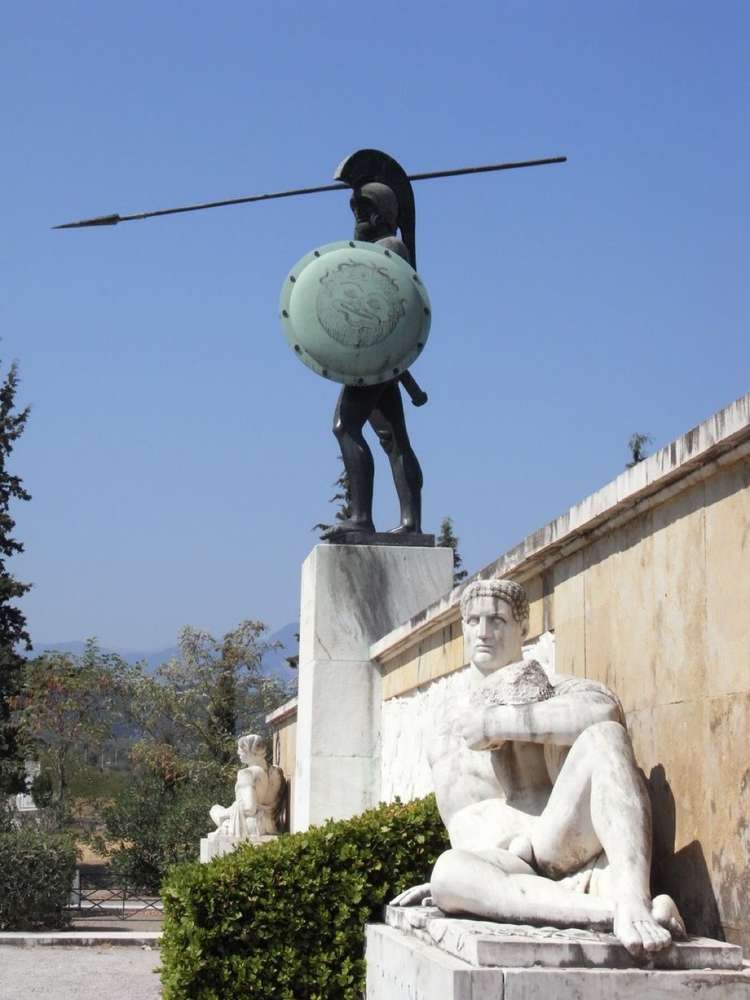
At Thermopylae, on the road north, Leonidas and his Spartans fell in 480 BC holding the pass; the epitaph that Herodotus (7.228) records, traditionally ascribed to Simonides, bids the stranger tell the Lacedaemonians that here they lie, obedient to their word.
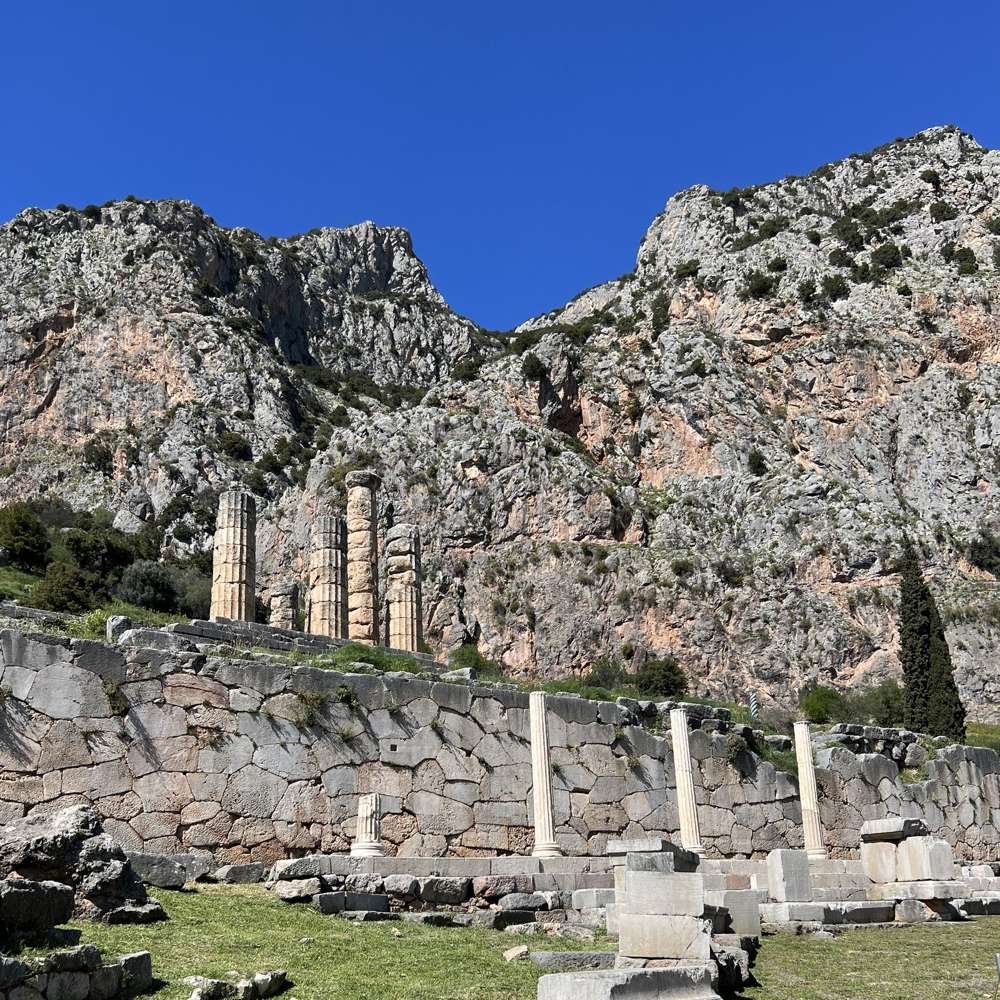
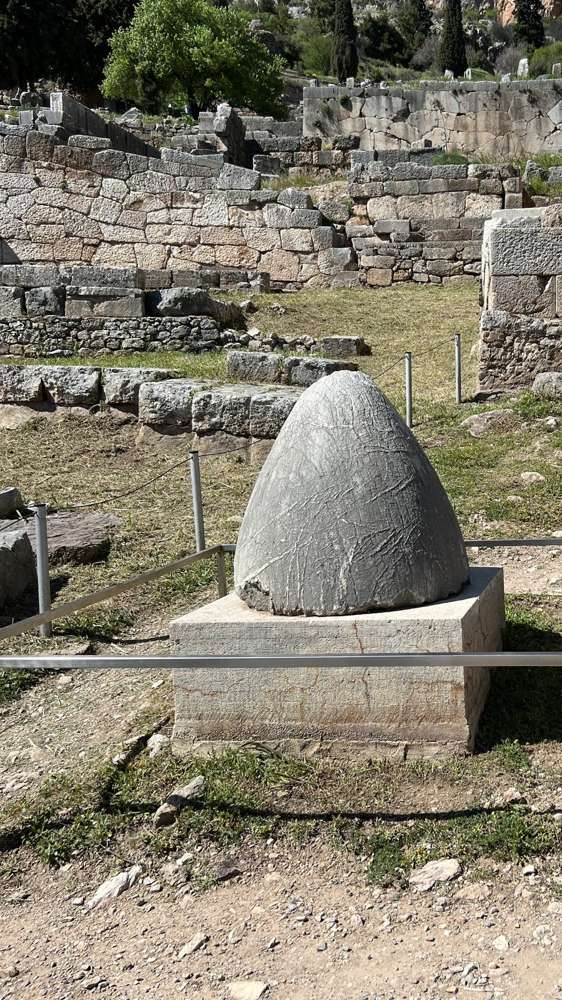
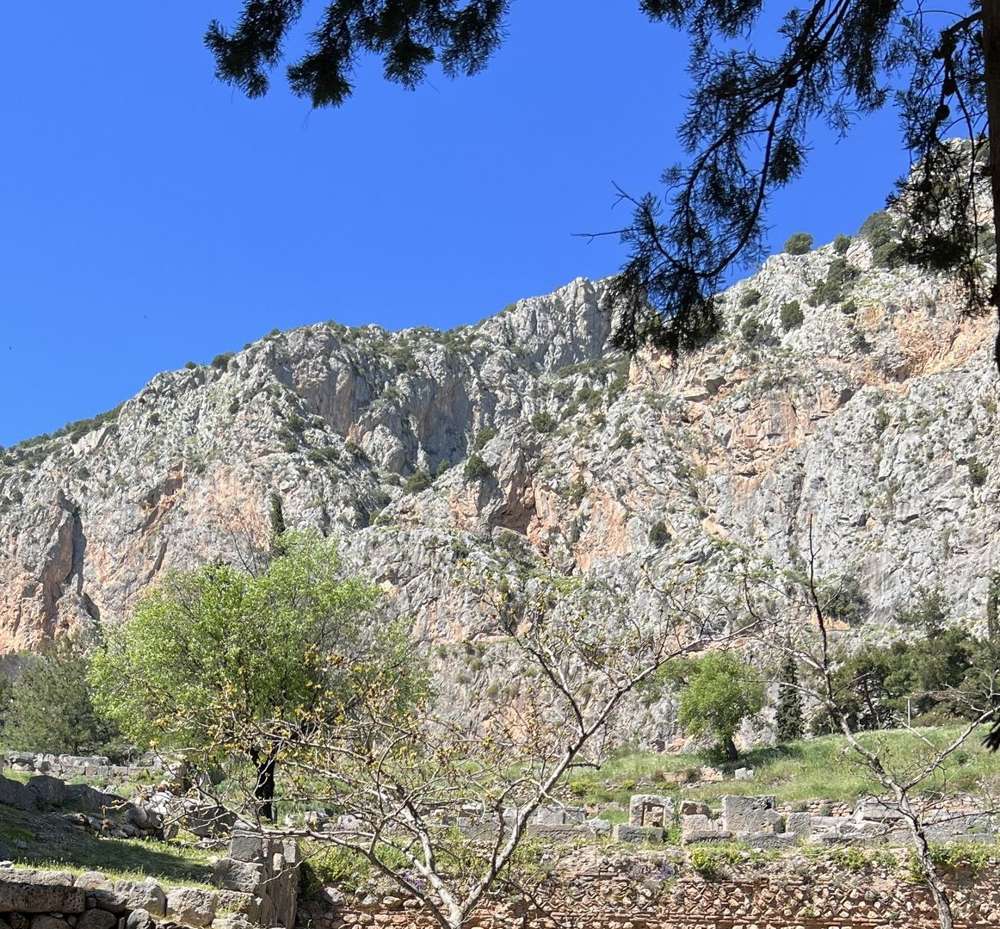
On the slopes of Mount Parnassos, beneath the twin cliffs of the Phaedriades, the Greeks believed Zeus had found the centre of the earth, marked by the stone they called the omphalos. Here Apollo spoke through his priestess, the Pythia, and for a thousand years cities, kings and private pilgrims climbed the Sacred Way to ask his counsel. Tradition held that the Delphic oracle gave Lycurgus the laws of Sparta, and on the temple were carved the maxims "Know yourself" and "Nothing in excess."
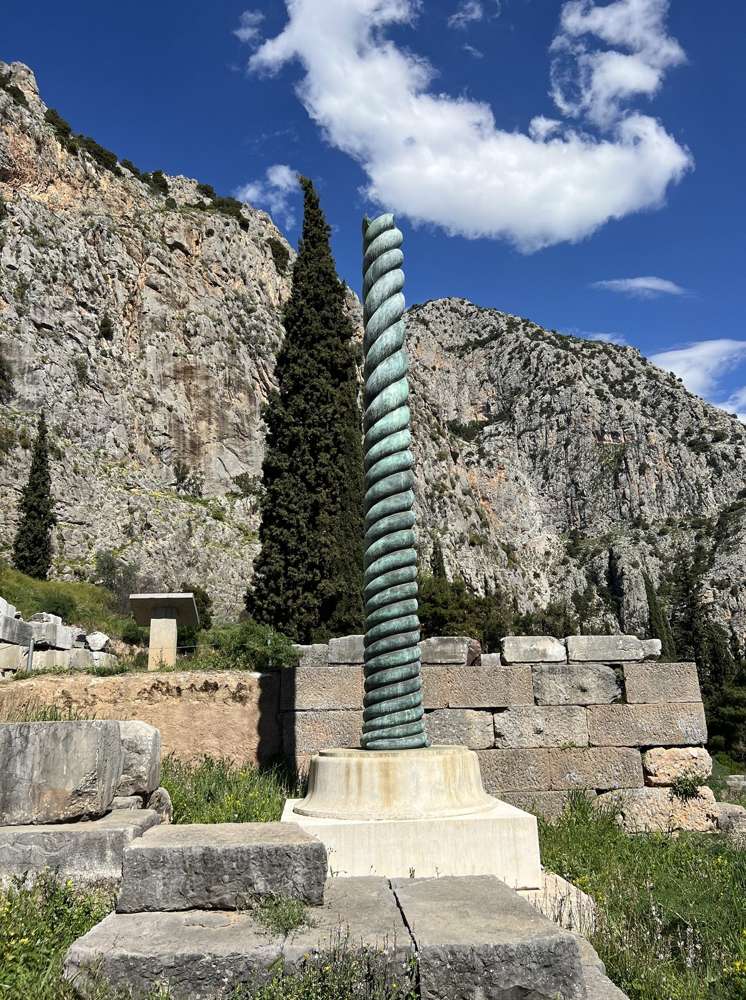
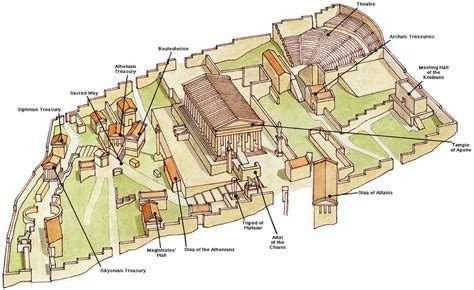
The sanctuary filled with treasuries and offerings from every Greek city, among them the Athenian Treasury and the Serpent Column raised after the victory at Plataia. The Pythian Games were held here every four years, and below, beside the Castalian spring, stood the sanctuary of Athena Pronaia. The pilgrimage stops at Delphi on the road from Athens to Laconia.
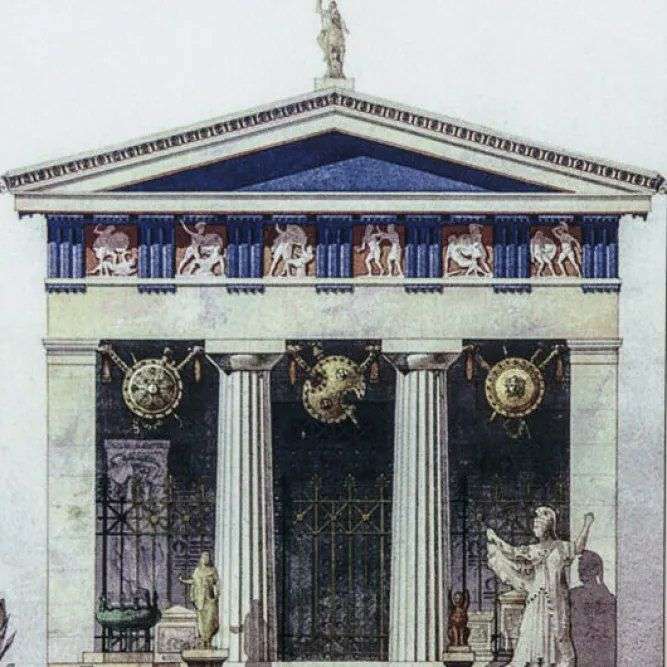
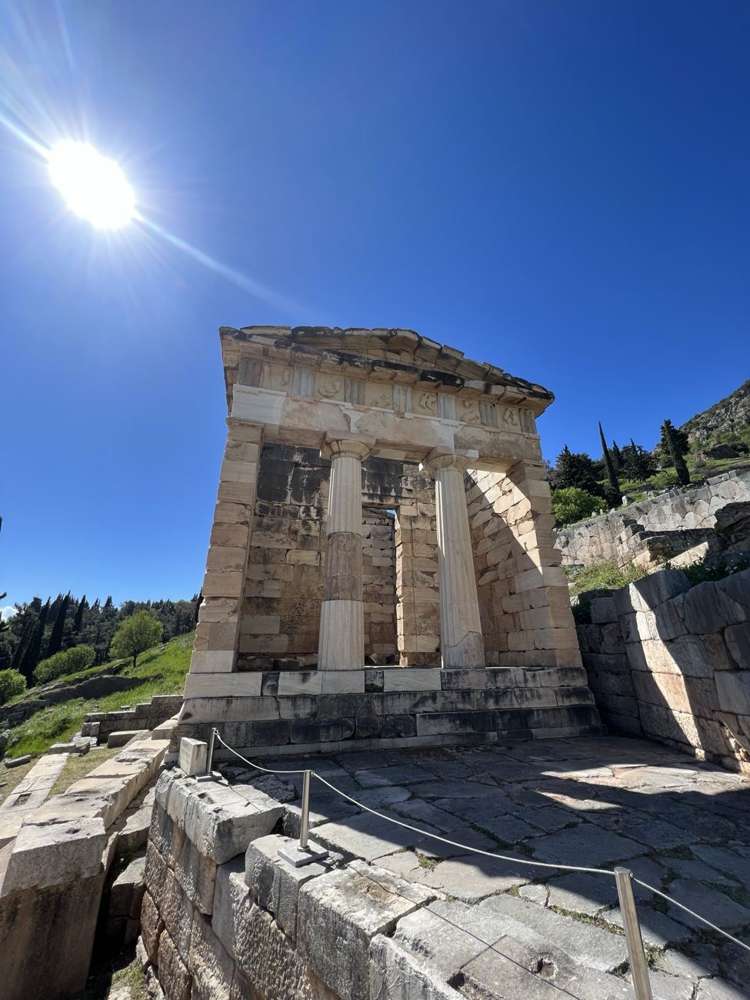
Among the treasuries on the Sacred Way stands the Treasury of the Athenians, a small Doric building of Parian marble raised from the spoils of Marathon. As built, it was brightly painted: blue triglyphs, red grounds behind the carved figures of its metopes, and gilded shields. Today it stands rebuilt in bare white marble, reassembled by French archaeologists in the early twentieth century. That whiteness is the work of time, not of its builders: Greek marble was made to be seen in colour, and the temple honours its gods in the same way.
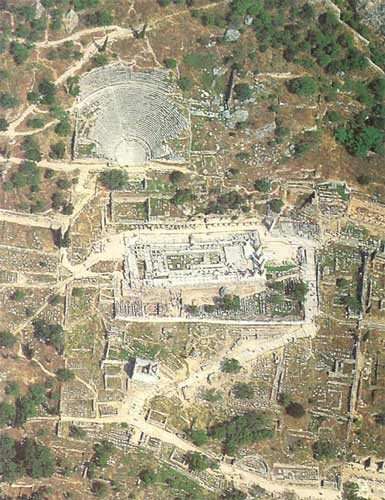
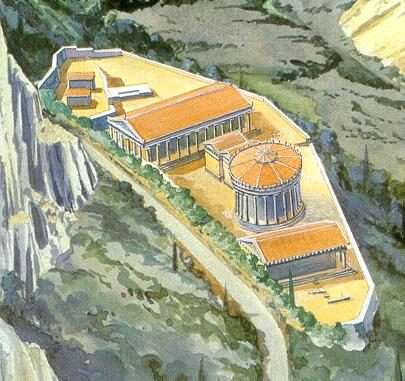
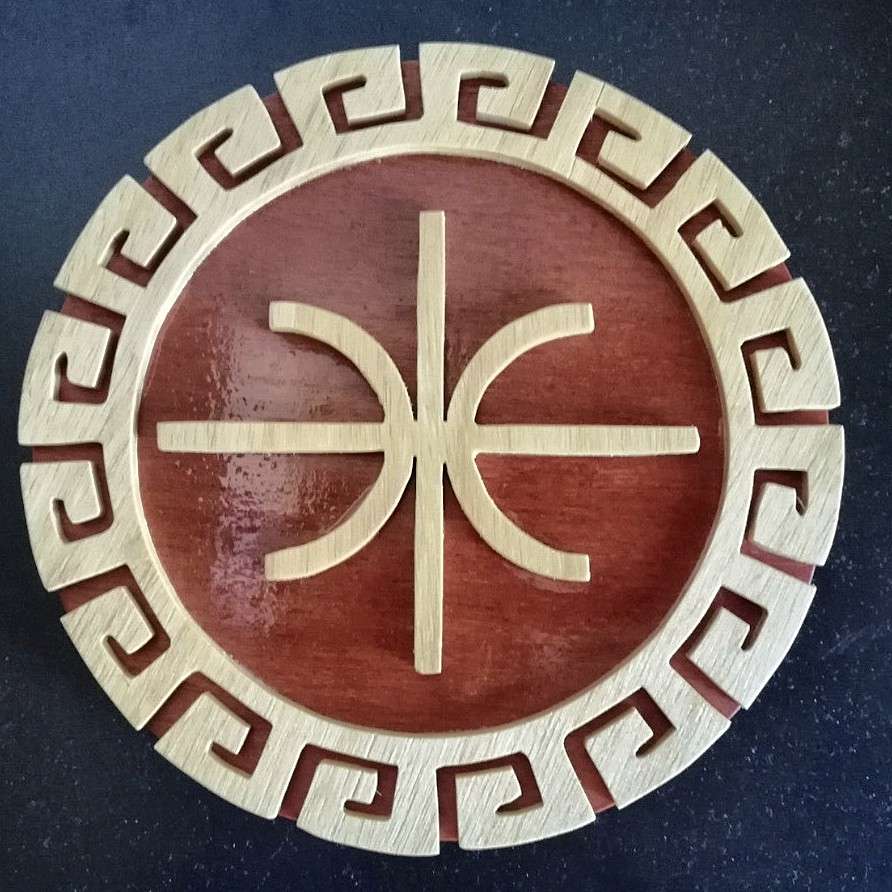
At Delphi the priestess on the tripod answered kings and cities. Members may seek an audience with the Oracle in the Hemera app.
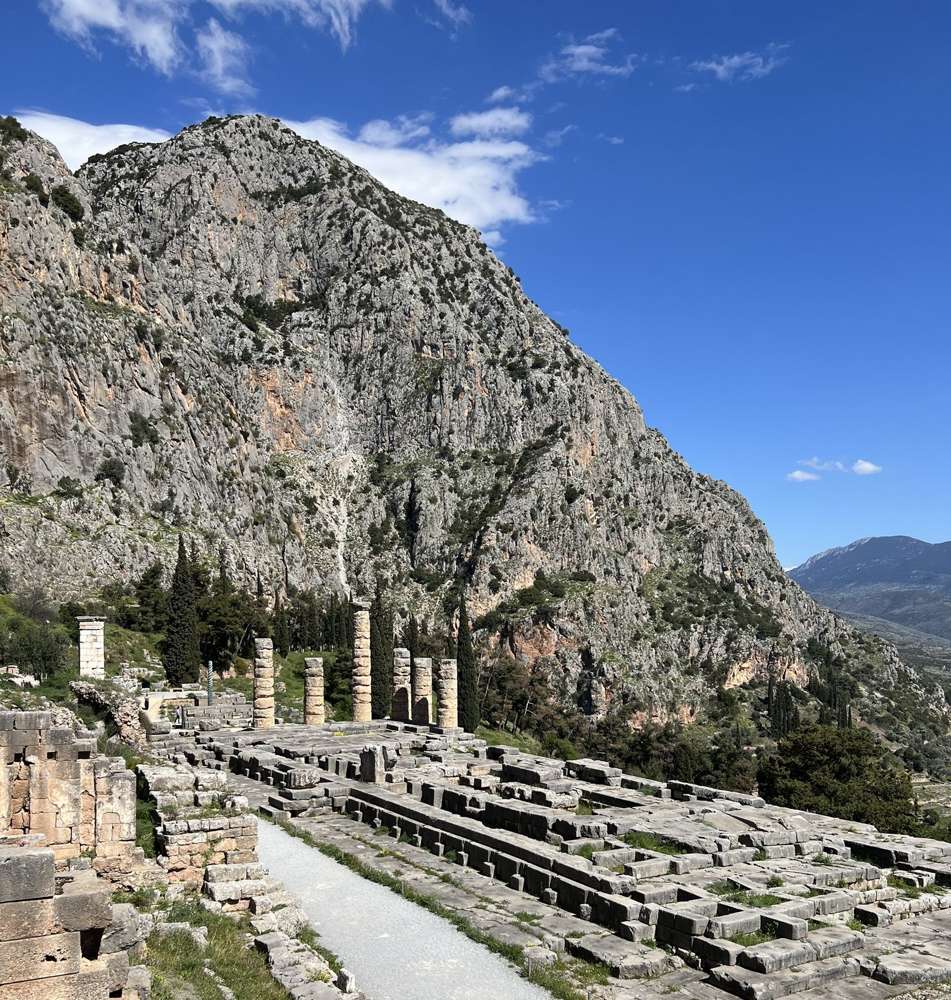
On the Temple of Apollo the Greeks carved the maxim μηδὲν ἄγαν, “Nothing in excess,” also rendered “all things in moderation” (Plato, Protagoras 343b). It is the classical Greek teaching that excess is evil: due measure is the good, and hubris, excess in its arrogant form, leads to ruin.
Plutarch, priest of Apollo at Delphi, gives three readings of the E in On the E at Delphi: the number five; “if” (εἰ), the word that opens every question to the oracle; and, from his teacher Ammonios, “Thou art” (εἶ), the visitor’s answer to the god who truly is. The E was dedicated in wood, then in bronze, then in gold. Ken Wheeler (Theoria Apophasis) builds on the five: “everything is complete in five,” “everything outside of five is excess,” and “excess is evil and evil is excess.” He reads the 666 of Revelation 13:18 as “tripartite excess,” excess three times over: “excess is the destruction of man.” In 1878 H. Grattan Guinness, in The Approaching End of the Age, called 666 a “trine of sixes,” the “perfect number of imperfection” set against the seven of completeness.
The Temple’s reading. Before Apollo, Delphi belonged to Gaia and Poseidon (Pausanias 10.5.6). Pisces is Poseidon’s sign on the Temple’s wheel. Its glyph ♓︎ is two fish bound by one cord, and it is the last sign, where the year returns to the One before Aries begins it again. The E stands at the threshold of the god; Pisces stands at the threshold of the year.
Watch: TEMPLE OF DELPHI Mystery Solved, Ken Wheeler (Theoria Apophasis, YouTube). Sources: Plutarch, On the E at Delphi (Moralia 384d–394c), tr. F. C. Babbitt (Loeb, 1936); Plato, Protagoras 343b; Pausanias 10.5.6; Revelation 13:18; H. Grattan Guinness, The Approaching End of the Age (1878).
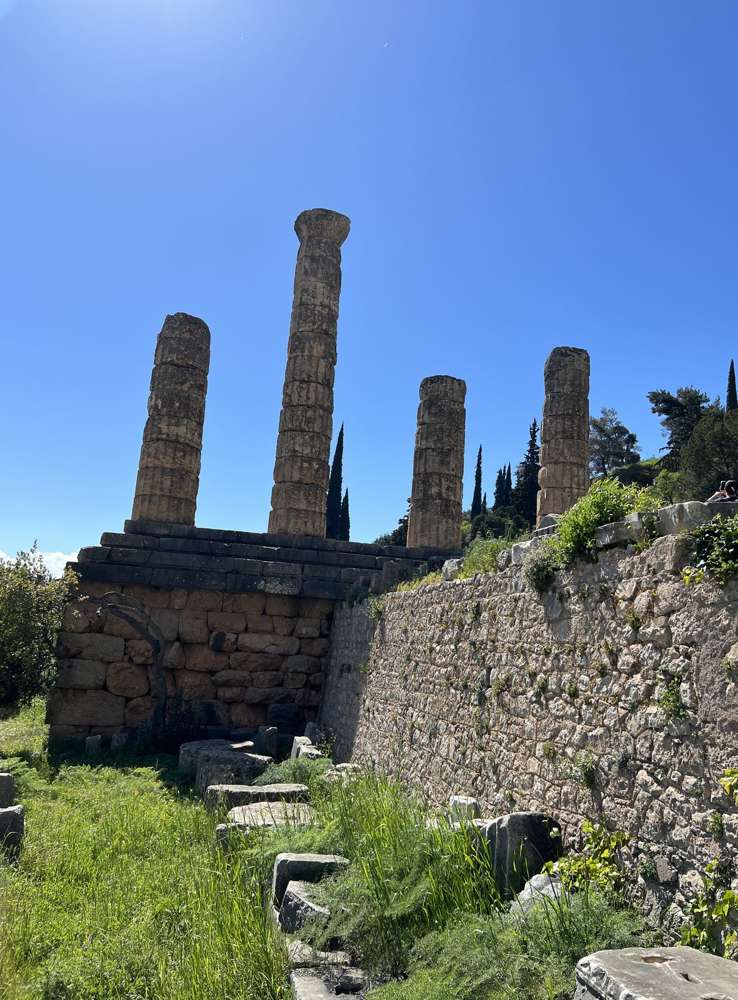
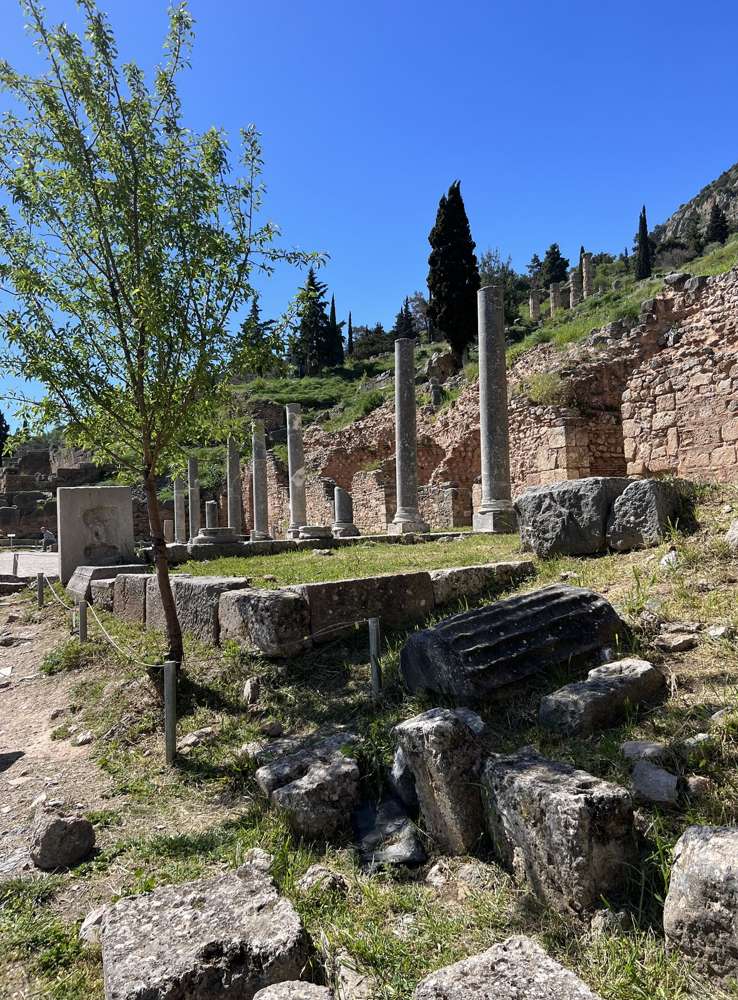
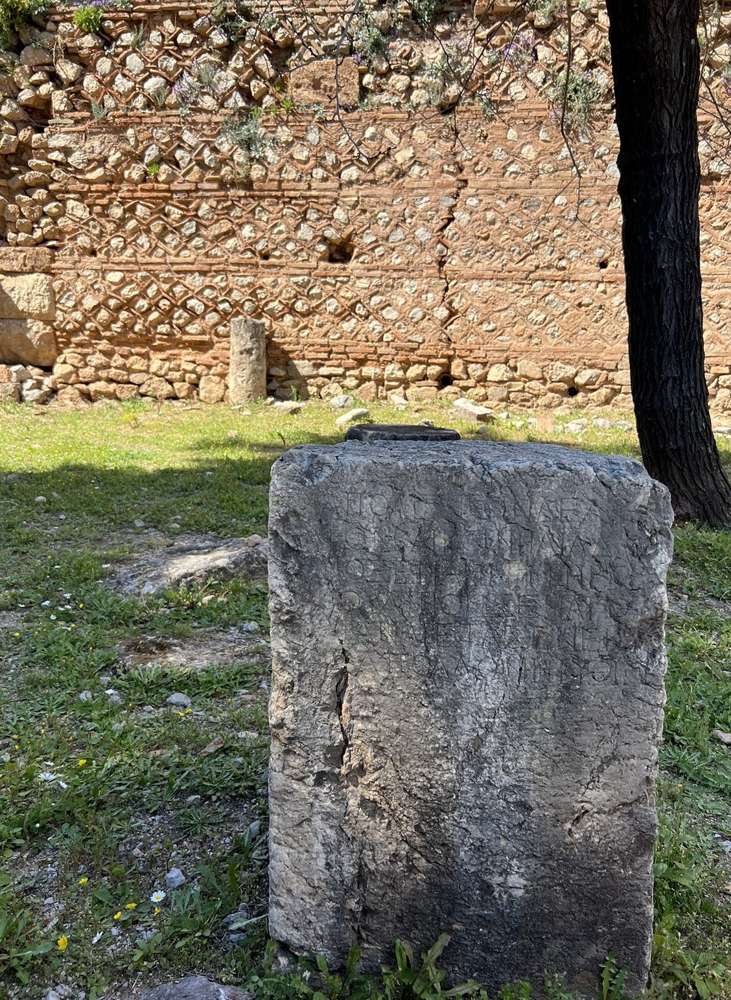
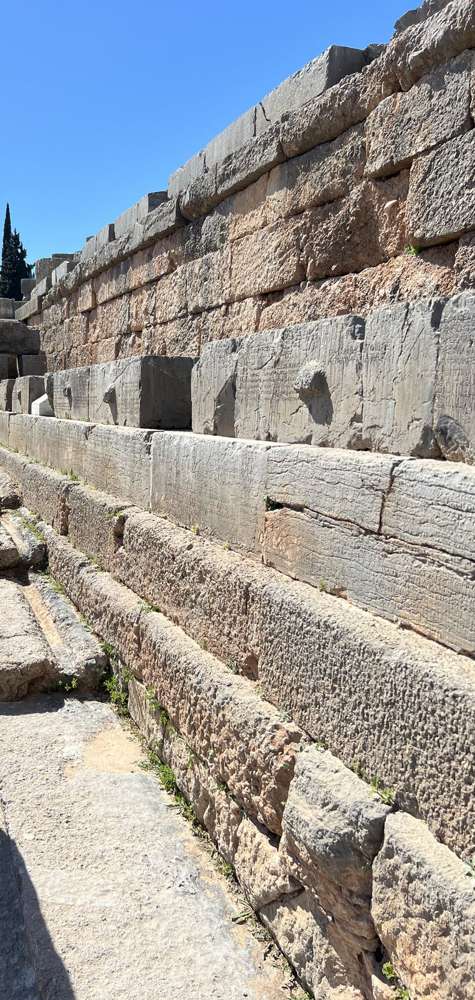
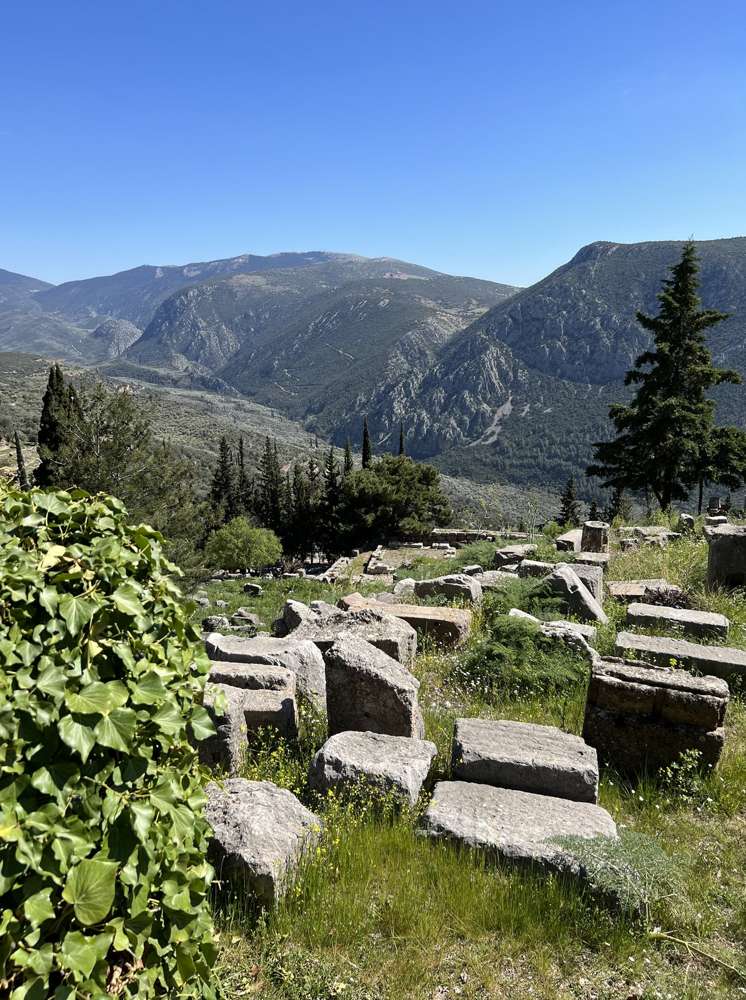
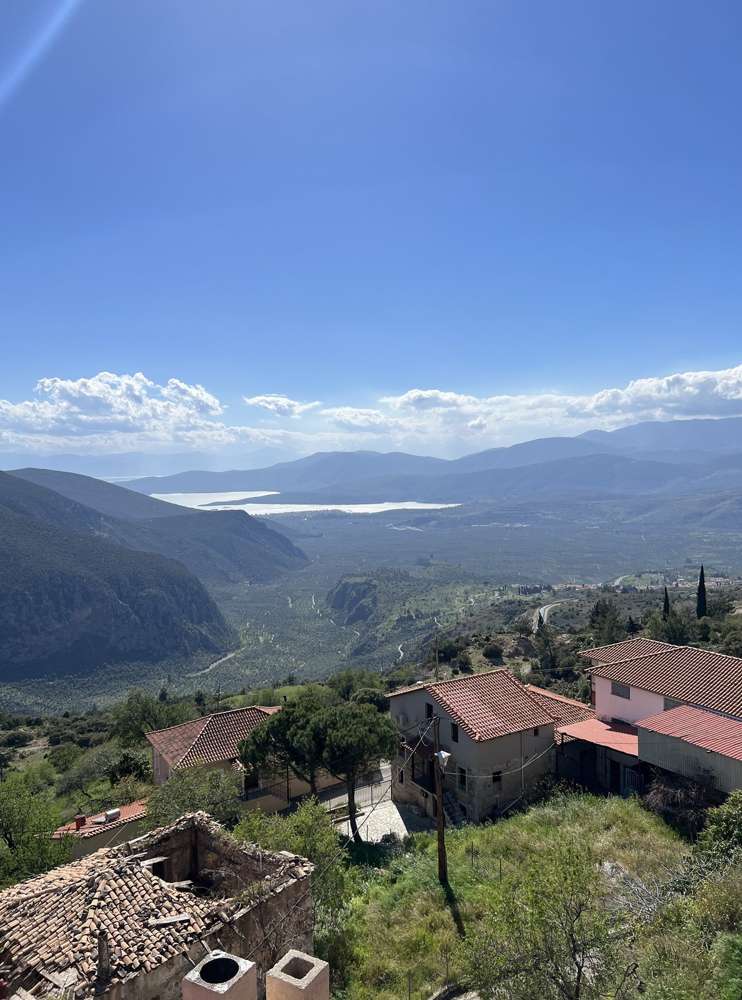
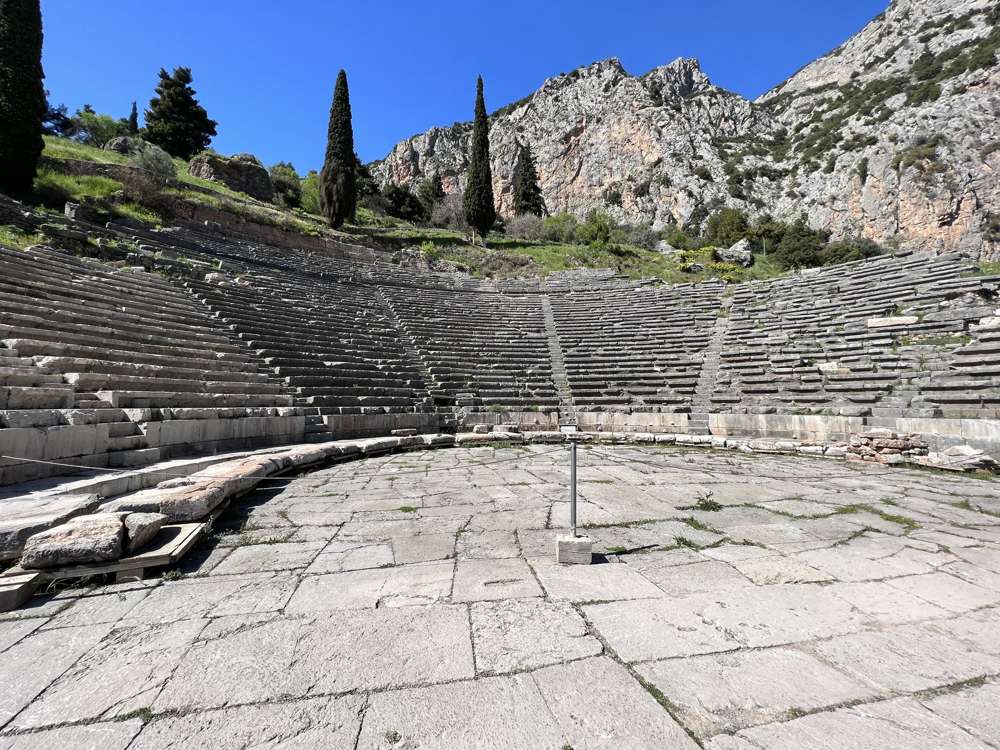
ON THE ROAD Climb the Sacred Way at dawn to the Temple of Apollo; the theatre, the stadium, the Castalian spring and Athena Pronaia. In the afternoon north by Lamia and the motorway along the Aegean, about four hours, to Litochoro beneath Olympus.
Mount Olympus rises straight from the Aegean between Macedonia and Thessaly to Mytikas, 2,918 m, the highest summit in Greece. Homer calls it “many-ridged Olympus,” on whose topmost peak Zeus sits apart from the other gods (Iliad 1.498–499), and the seat of the gods that “is not shaken by winds nor ever wet with rain, nor does snow fall upon it” (Odyssey 6.42–45). Hesiod says Mnemosyne bore the nine Muses to Zeus in Pieria, the coastland at the mountain's foot, and that their home lies “a little way from the topmost peak of snowy Olympus” (Theogony 53–63). Their full story is told on our Theogony page, and the god of the mountain on the page of Zeus.
At Dion, on the plain below the mountain, the Macedonians kept their sacred city of Zeus Olympios and the Muses. King Archelaos (r. 413–399 BC) founded there the Olympia of Dion, games and dramatic contests of nine days, one day for each Muse. Diodorus (17.16.3–4) records that Alexander offered magnificent sacrifices to the gods at Dion and held these contests for Zeus and the Muses before he crossed into Asia in 334 BC. The excavated city keeps the sanctuary of Demeter, among the oldest in Macedonia; the sanctuary of Isis beside the springs of the Vaphyras, where she was honoured as Isis Lochia, guardian of childbirth; and the sanctuary of Zeus Hypsistos, Zeus the Highest, where in 2003 the excavators raised his enthroned cult statue and the marble eagles of his altar.
Litochoro, the mountain's village above the sea, is the gate of the ascent. From it the gorge of the Enipeas climbs west between walls of rock and forests of plane, pine and beech, 18 km by road or a long day's walk on the E4 path, to Prionia at about 1,100 m, where the road ends at a spring and the path to the refuges and Mytikas begins. In March the high peaks lie under snow. We do not climb to the summit: the Temple keeps its rite at Prionia, beneath it.
Purification. At the spring of Prionia, where the Enipeas leaves the mountain, each pilgrim washes the hands and touches the brow with running water, as the Hellenes washed before they approached an altar. From the spring we keep silence.
Procession. Two by two we walk from the spring to the clearing beneath the beeches, facing the summit. The founder leads with the bowl; behind come the bearers of the wine, the milk and the honey, then the basket of barley and the censer.
Libation. At the stone set as our altar the wine, the milk and the honey are mixed in the bowl. The founder pours the libation onto the earth in three streams, naming Zeus Olympios, lord of the mountain, Hera his queen, and the Muses of Pieria, and the pilgrims answer each name together.
Offering. Each pilgrim scatters a handful of barley on the altar stone, the grain of the old sacrifice, and lays grains of frankincense on the coals, so that the smoke rises toward Mytikas.
Hymn. Standing, we sing the Orphic Hymn to Zeus: “O Jove much-honor'd, Jove supremely great, / To thee our holy rites we consecrate, / Our pray'rs and expiations, king divine, / For all things round thy head exalted shine.”
Prayer to the Twelve. With hands raised toward the summit the founder speaks and the pilgrims repeat: “Zeus and Hera, Poseidon and Demeter, Athena and Ares, Apollo and Artemis, Hephaistos and Aphrodite, Hermes and Dionysos, you who hold the peaks of snowy Olympus: receive these gifts from our hands. Keep our road, guard our hearths, and send us home in your favour.” We leave the altar without looking back; the offering stays on the mountain.
Sources: Homer, Iliad 1.498–499 and Odyssey 6.42–45, tr. A. T. Murray (Loeb); Hesiod, Theogony 53–63, tr. H. G. Evelyn-White (1914); Diodorus Siculus 17.16.3–4; Orphic Hymn 15, To Zeus, lines 1–4, tr. Thomas Taylor (1792; public domain).
ON THE ROAD Day 7: Dion in the morning, its sanctuaries and the archaeological museum; lunch in Litochoro; then by the mountain road up the Enipeas gorge to Prionia for the rite in the afternoon. Night at Litochoro.
In the Altis, the walled sacred grove where the Kladeos meets the Alpheios, Zeus was honoured with the Olympic Games every four years from 776 BC, the year from which the Greeks counted their Olympiads. Heralds carried the ekecheiria, the sacred truce, to every Greek city so that athletes and pilgrims could travel in safety; Pausanias (5.20.1) saw the truce written in a circle on the bronze discus of Iphitos, kept in the Heraion.
The Heraion, built around 600 BC beneath Kronos Hill, is the oldest temple of the Altis. Before it, at the altar of Hera, the Olympic flame is kindled today from the sun's rays in a concave mirror and carried out to the host city of each Games.
Libon of Elis built the Temple of Zeus, finished about 456 BC, a Doric temple of local shell-limestone faced with white stucco. Its east pediment showed the chariot race of Pelops and Oinomaos with Zeus standing at the centre; the west, the battle of the Lapiths and Centaurs under Apollo; the twelve metopes over the porches, the labours of Herakles. Inside, around 430 BC, Pheidias set up the seated god, his flesh of ivory and his robe of beaten gold, a Nike in his right hand and a sceptre topped by an eagle in his left (Pausanias 5.11.1). Strabo (8.3.30) writes that if the god rose to his feet he would unroof the temple. The Greeks counted it among the Seven Wonders.
West of the Altis stands the workshop where Pheidias made the statue, built to the inner measure of the temple's cella; Pausanias (5.15.1) saw it still standing. Its excavators found clay moulds for the golden drapery, tools, scraps of ivory, and a small black-glazed cup inscribed on its foot ΦΕΙΔΙΟ ΕΙΜΙ, “I belong to Pheidias.” The building later became a Christian church.
The athletes entered the stadium by a vaulted tunnel of the 3rd century BC. Along its approach stood the Zanes, bronze statues of Zeus paid for by fines on those who cheated. Pausanias (5.21.2–4) says the first six were set up in the 98th Olympiad, 388 BC, after Eupolos of Thessaly bribed three boxers; their bases still line the terrace below the treasuries. Beyond the tunnel the track runs one stade, about 192 m.
After his victory at Chaironeia in 338 BC Philip II of Macedon raised the Philippeion, a round building ringed with Ionic columns, with gold-and-ivory statues of his family by Leochares (Pausanias 5.20.9–10). Before the temple the Messenians and Naupaktians set the Nike of Paionios, around 420 BC, alighting on a pillar some nine metres high. She now stands in the museum, near the Hermes of Praxiteles holding the infant Dionysos, found in the Heraion in 1877 where Pausanias (5.17.3) had seen him.
Above the Altis rises Kronos Hill, where priests called the Basilai sacrificed to Kronos at the spring equinox (Pausanias 6.20.1), the season of our visit. The Games ran for more than a thousand years. The Byzantine chronicler Kedrenos sets their end in the reign of Theodosius I, whose decrees of 391–392 forbade sacrifice. Earthquakes and the floods of the Kladeos then buried the Altis under metres of silt, which kept it for its excavators.
ON THE ROAD Day 8: the long road south from Litochoro, about seven hours at the wheel and a full day with stops: the motorway to Lamia, then through Amfissa and Nafpaktos along the Gulf of Corinth, across the Rio–Antirrio bridge to Olympia. Day 9: the Altis, the Temple of Zeus, the workshop of Pheidias, the Heraion and the stadium. Day 10: the museum, the Nike and the Hermes, and Kronos Hill at evening.
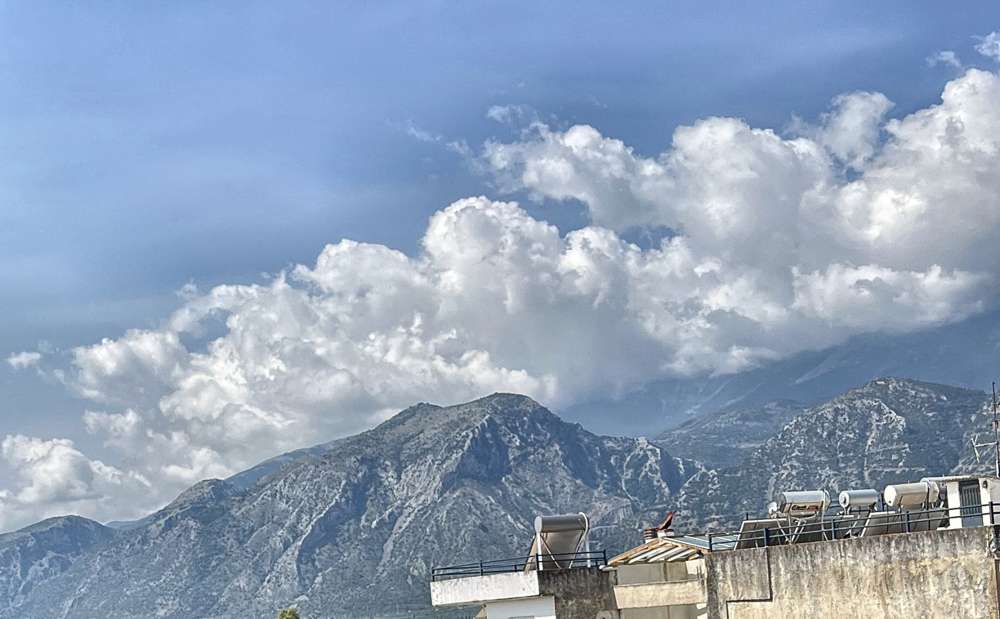
Sparta, which the Greeks also called Lacedaemon, lies in the valley of the Eurotas in Laconia, between the wall of Mount Taygetos to the west and Mount Parnon to the east. It was never a walled city of marble streets. Its citizens lived in villages, the obai: Pitane, Mesoa, Limnae and Cynosura gathered around the low acropolis, and Amyclae, a few miles to the south, joined to them. Thucydides saw how deceptive this simplicity was:
“as the city is neither built in a compact form nor adorned with magnificent temples and public edifices, but composed of villages after the old fashion of Hellas, there would be an impression of inadequacy.”Thucydides 1.10, trans. Richard Crawley (1874; public domain)
Yet this city of villages led the Peloponnese. Sparta was ruled by two kings at once, from the two royal houses of the Agiads and the Eurypontids, both descended from Herakles. They led the army and held priesthoods of Zeus, and with them sat the Gerousia, the council of elders, the five ephors chosen each year, and the assembly of citizens.
The Spartans traced their laws to Lycurgus, the lawgiver who, Plutarch tells, went to Delphi and brought back from Apollo the Great Rhetra, the founding ordinance of the state. To him they credited the common messes, the iron money, the simple life and the agoge, the upbringing in which boys from the age of seven were raised in groups, trained in endurance, music, dance and arms, and taught to obey and to speak briefly. Plutarch himself admits that nothing can be said of Lycurgus that is not disputed; what is certain is that Sparta revered him as a hero and kept his laws as sacred.
By the Eurotas stood the sanctuary of Artemis Orthia, where the boys of the agoge were tested before her altar and where thousands of votive figures of lead have been found. On the acropolis stood the temple of Athena Chalkioikos, Athena of the Bronze House, whose walls were faced with bronze reliefs. At Amyklai rose the Amyklaion, the shrine of Apollo and Hyakinthos, the youth he loved and killed by mischance with a discus; Pausanias describes its colossal bronze Apollo seated upon a carved throne above the tomb of Hyakinthos.
Three festivals marked the Spartan year. The Karneia, for Apollo Karneios, held in late summer, was so sacred that the army would not march while it lasted. The Hyakinthia, at Amyklai in early summer, began in mourning for Hyakinthos and ended in feasting, song and procession. The Gymnopaidiai, in midsummer, brought choruses of boys and men to dance and sing in the agora in honour of Apollo.
Sources, paraphrased: Plutarch, Life of Lycurgus 1, 5–6, 16–21; Pausanias, Description of Greece 3.16.7–11 (Orthia), 3.17.2–3 (Chalkioikos), 3.18.9–3.19.5 (Amyklaion); Herodotus 6.52 and 7.206 (the two royal houses; the Karneia); Thucydides 1.10, quoted above from the Crawley translation (Project Gutenberg).
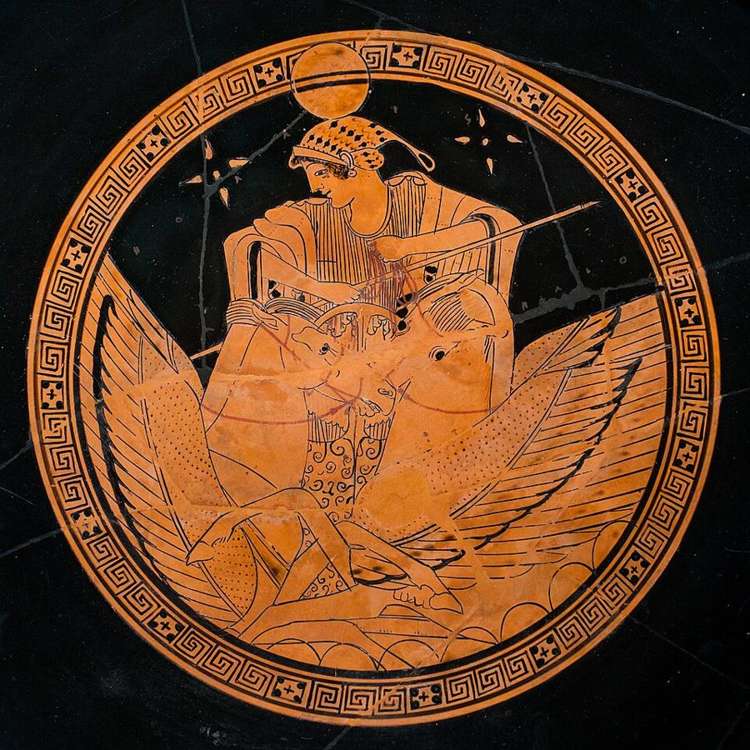
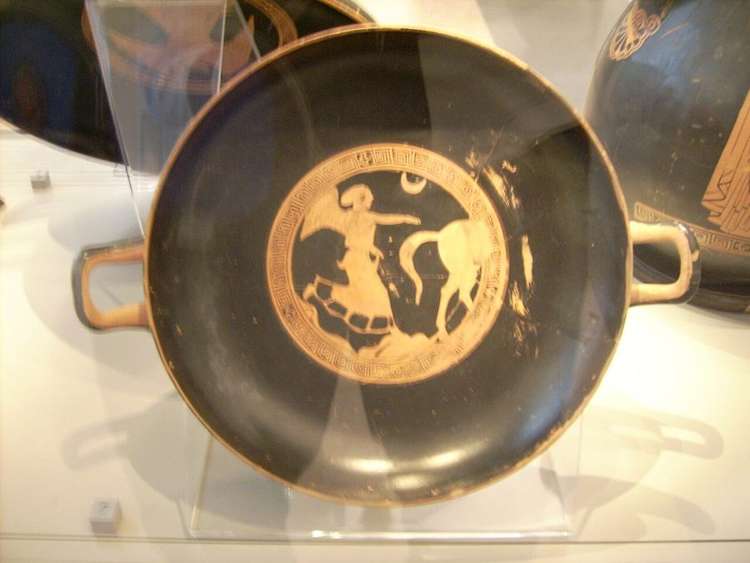
Artemis and Apollo, the divine twins born of Leto, stood at the heart of Spartan worship. Their sanctuaries framed the city's life from childhood to old age, and their festivals set the rhythm of its year.
Artemis Orthia, "the Upright," had her sanctuary on the banks of the Eurotas. There Spartan boys of the agoge were tested in endurance before her altar, and thousands of small lead votives and carved masks were offered to her. She guarded the passage from boyhood to manhood, the wild margins of the land, and the young of every kind, which made her the goddess of the training that made Spartans.
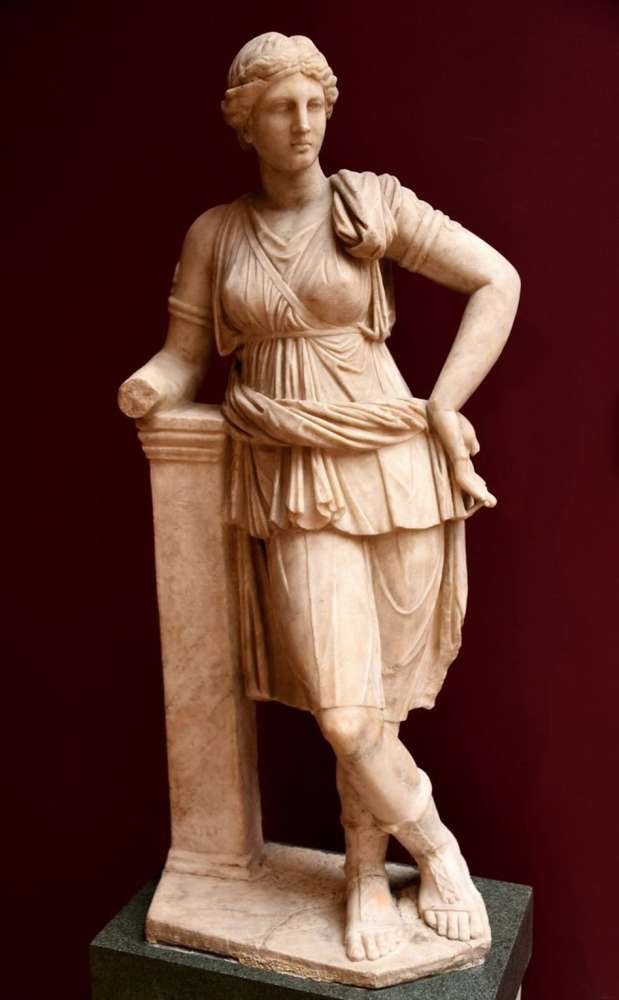
Apollo ruled the Spartan calendar. At Amyklai, a few miles south, his colossal throne-shrine received the Hyakinthia, mourning and then celebrating his beloved Hyakinthos. The Karneia, for Apollo Karneios, was so sacred that Sparta would not march out in full force until it ended, which is why Leonidas led only an advance guard of 300 Spartans to Thermopylae in 480 BC. The Gymnopaidiai honoured him with choral dances of men and boys.
Why these two? Sparta prized discipline, music, order and the testing of the young. Apollo was the god of order, measure, song and the laws Lycurgus was said to have received from his oracle at Delphi; Artemis was the goddess of the young and their ordeal. Together they embodied the Spartan ideal. Athena of the Bronze House, Chalkioikos, also kept watch from the acropolis as guardian of the city itself.
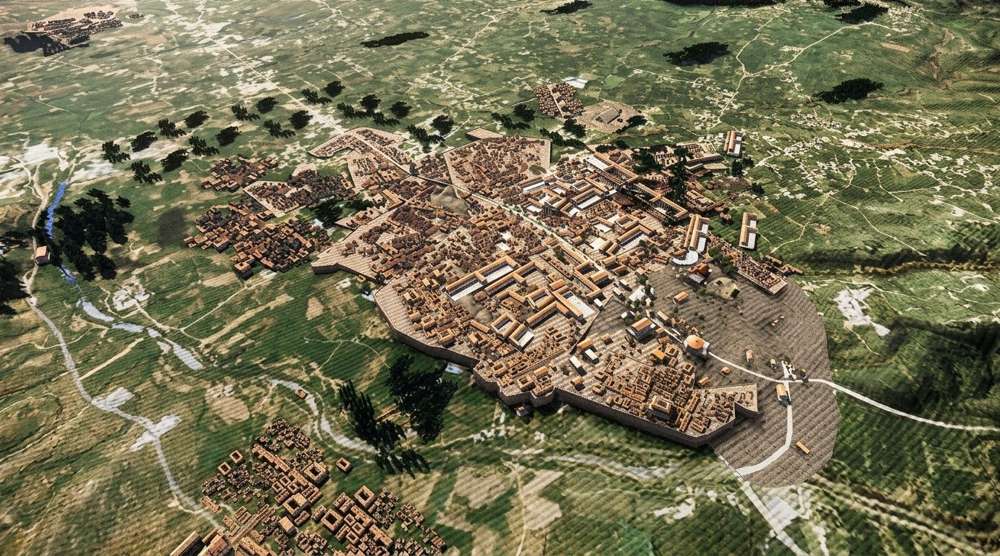
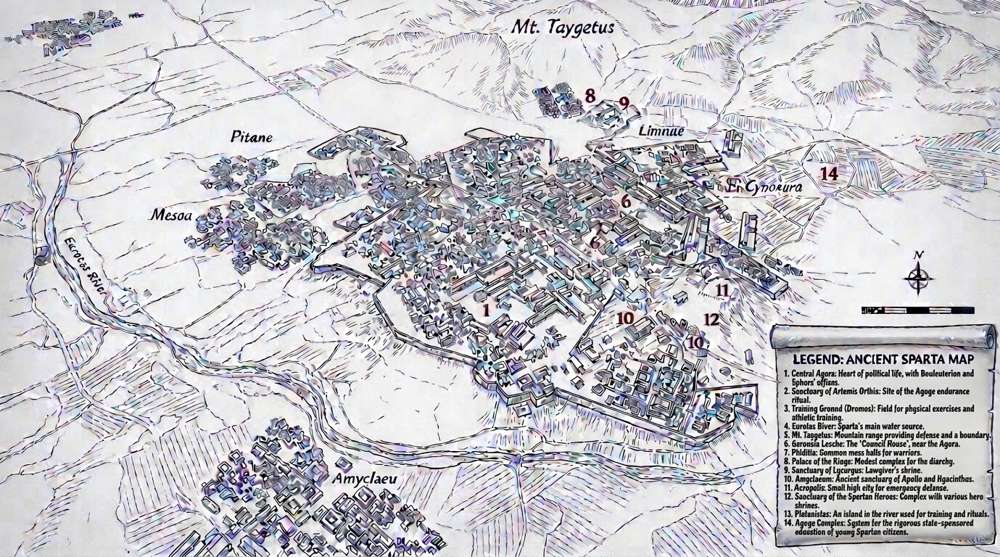
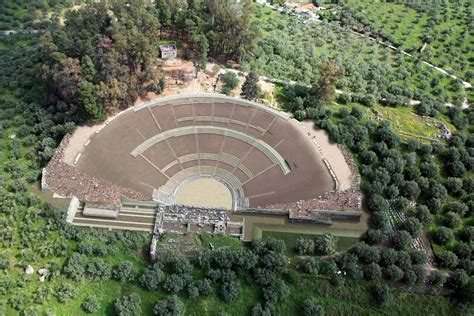
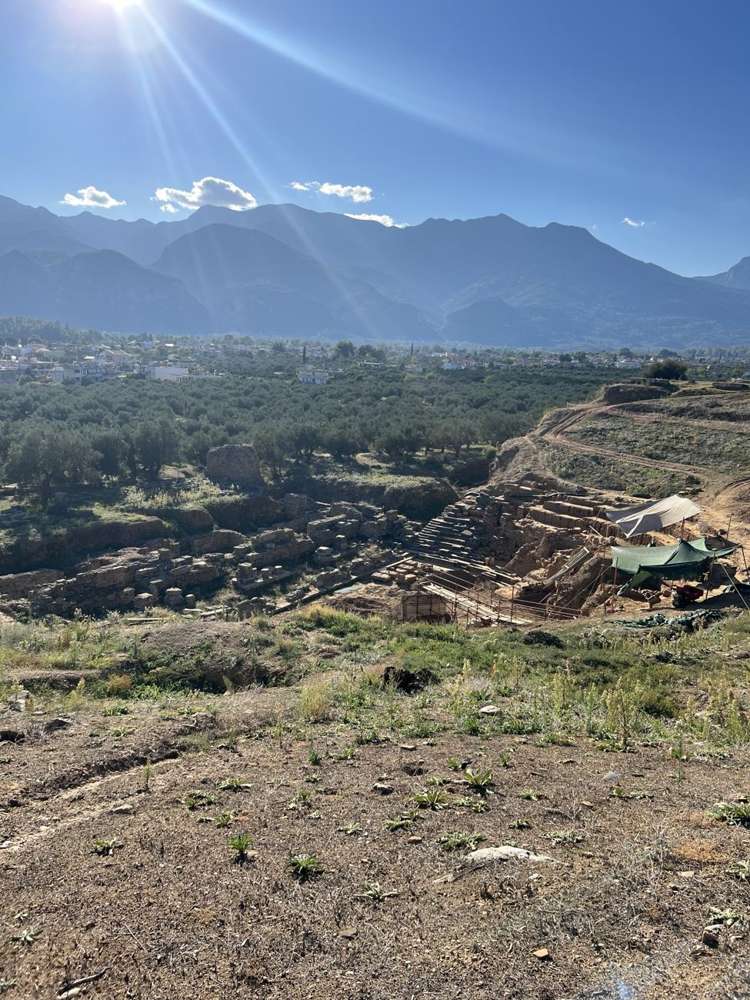
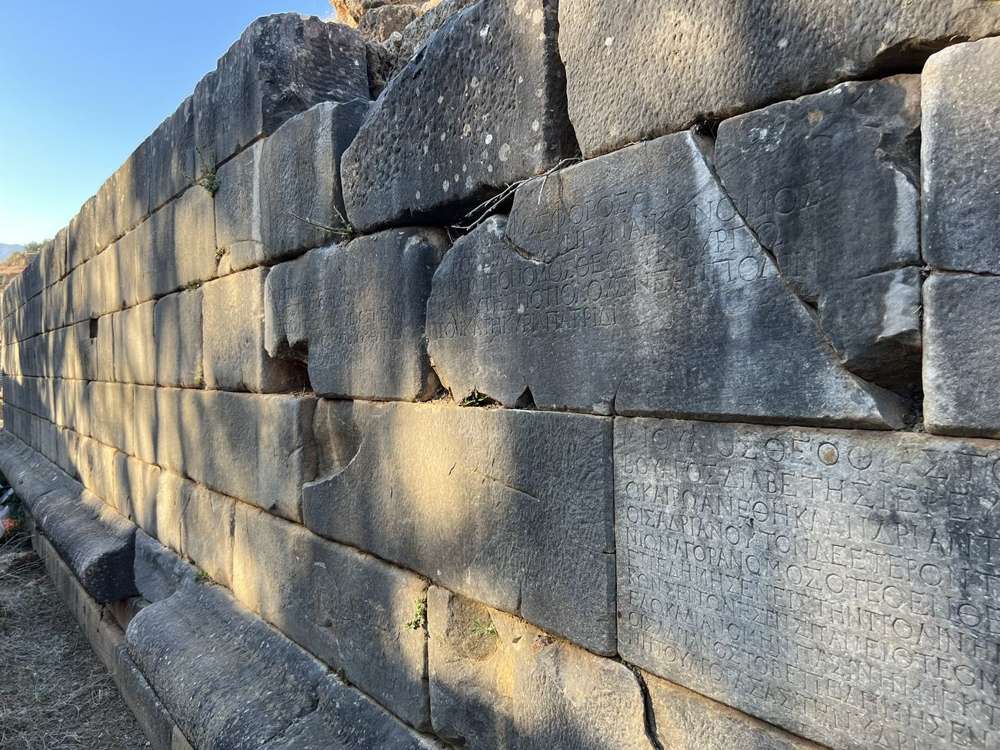
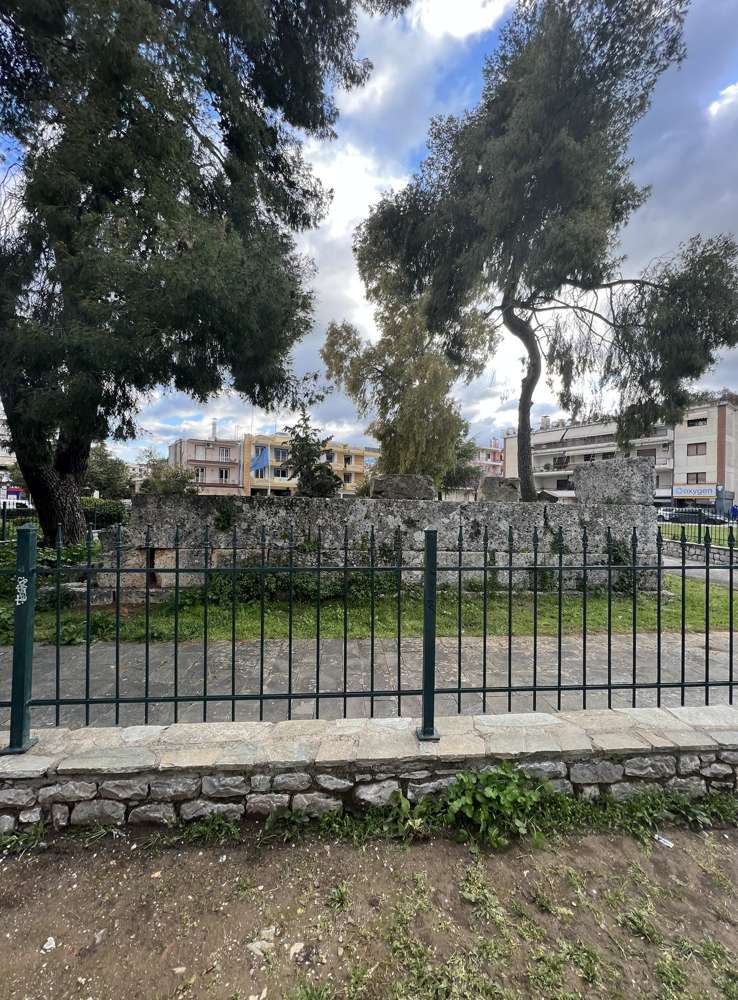
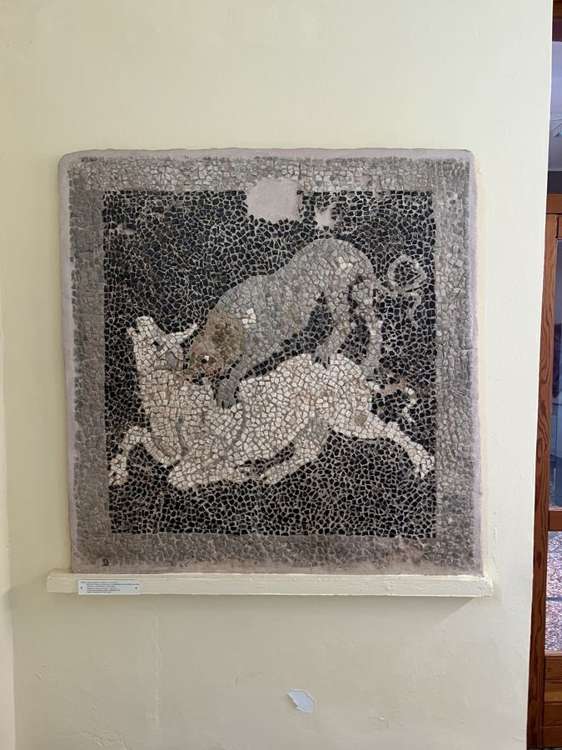
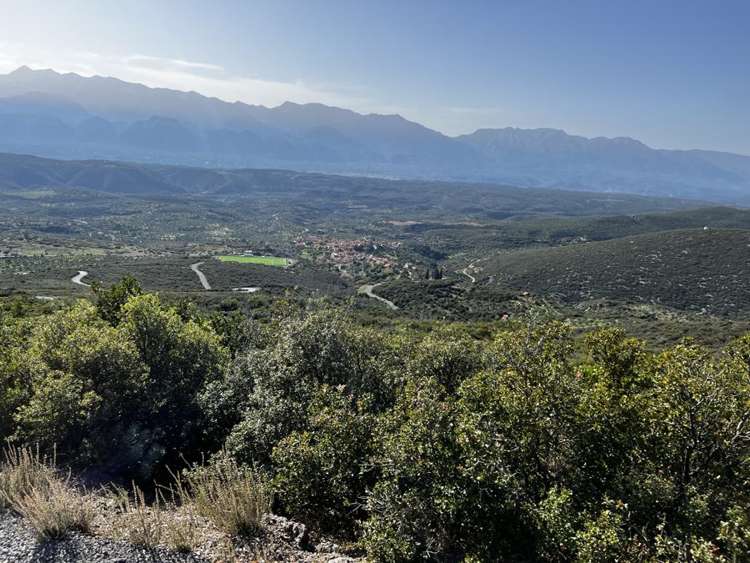
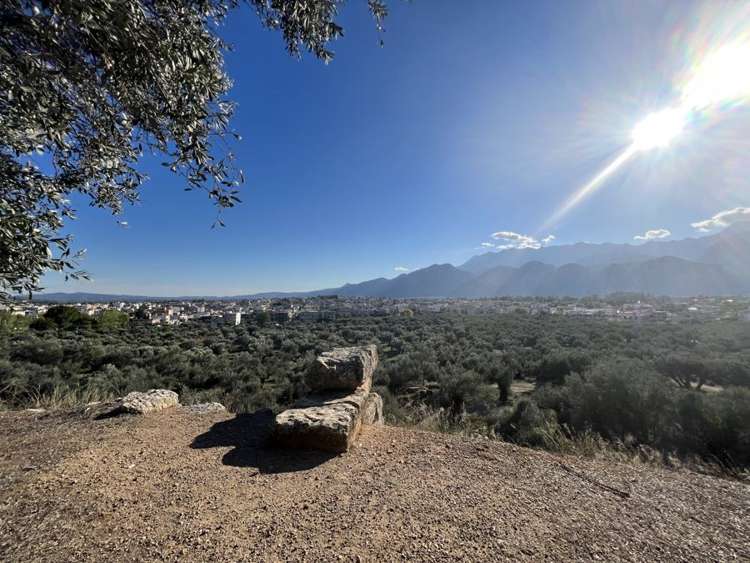
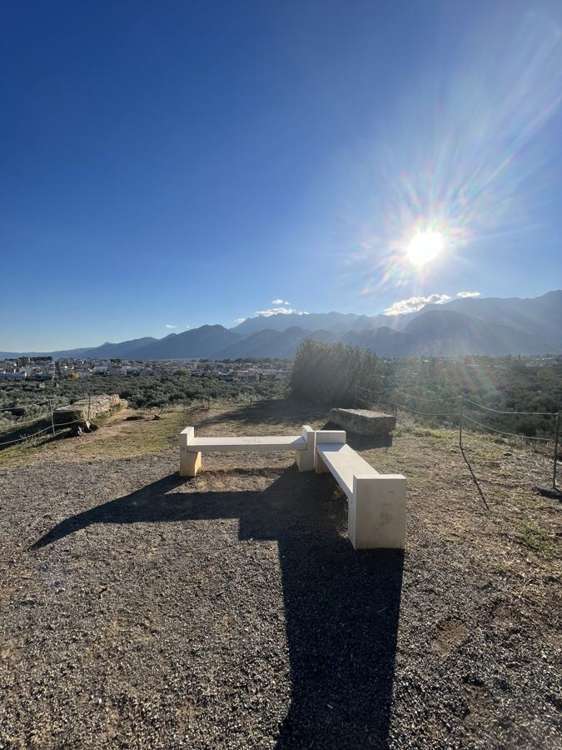
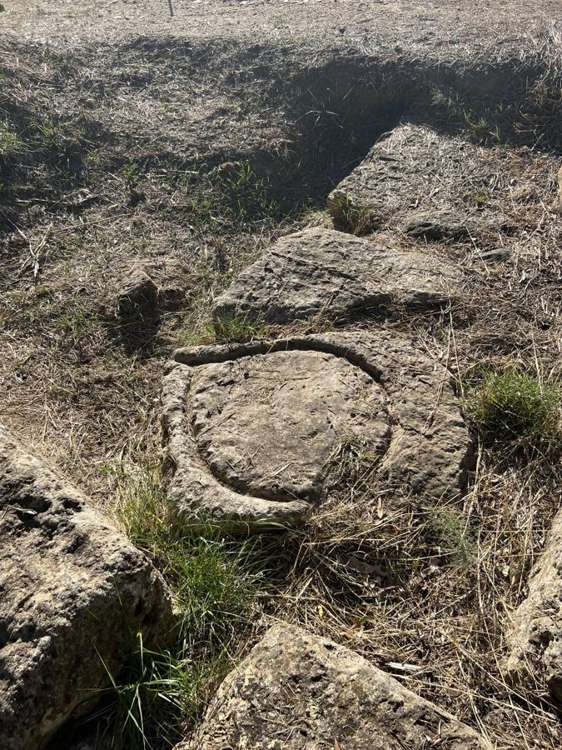
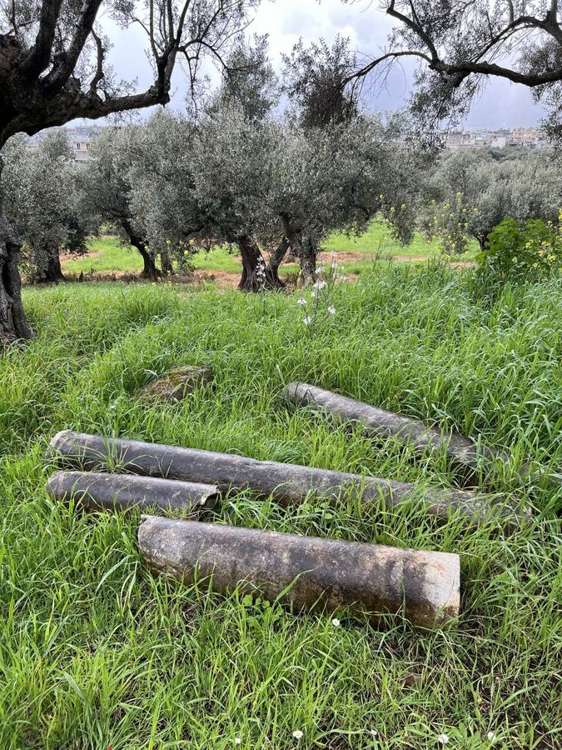
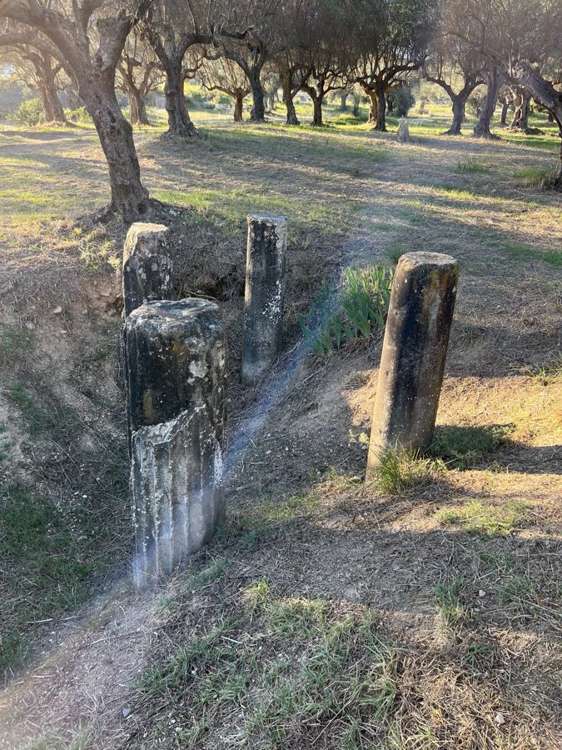
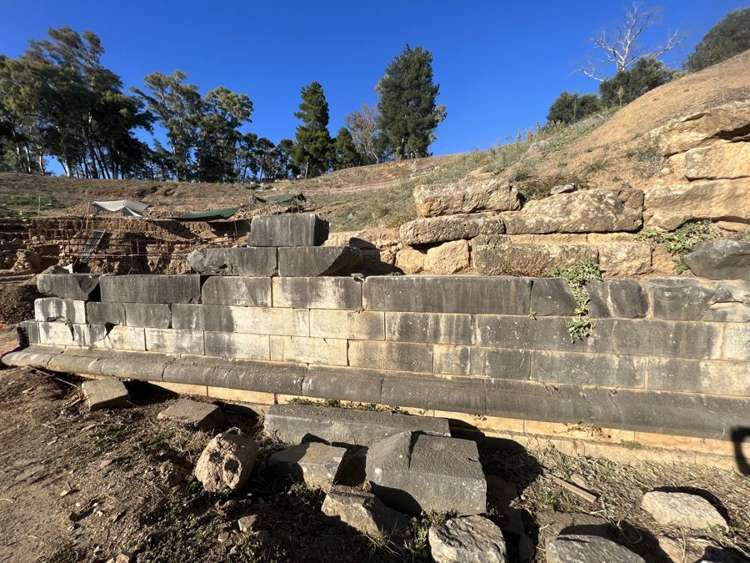
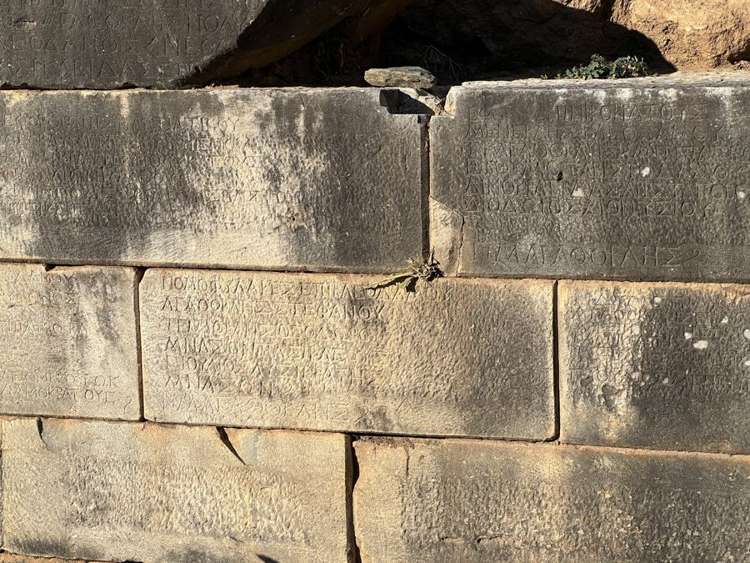
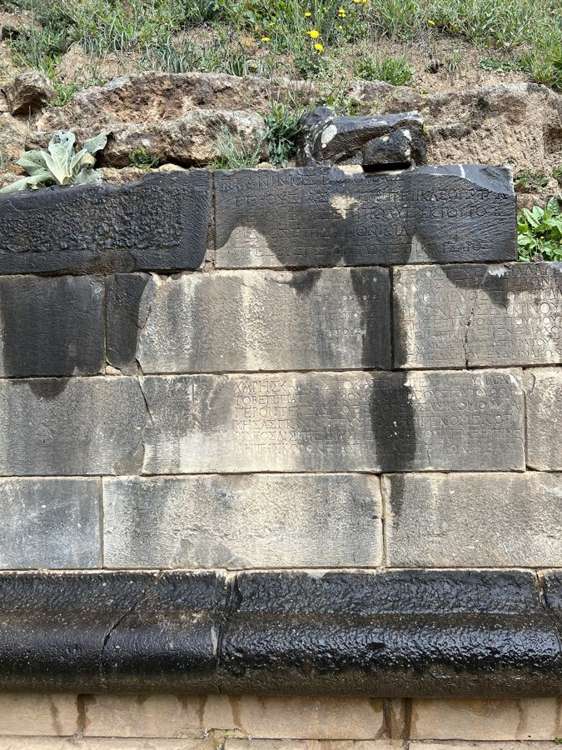
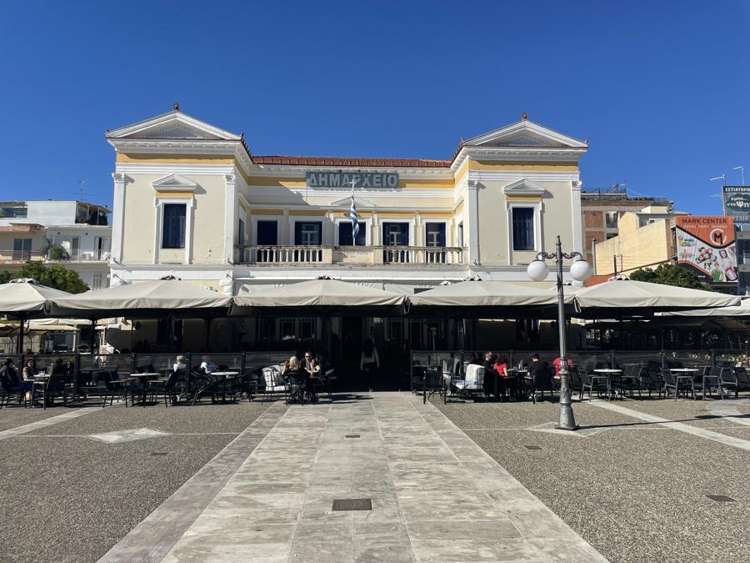
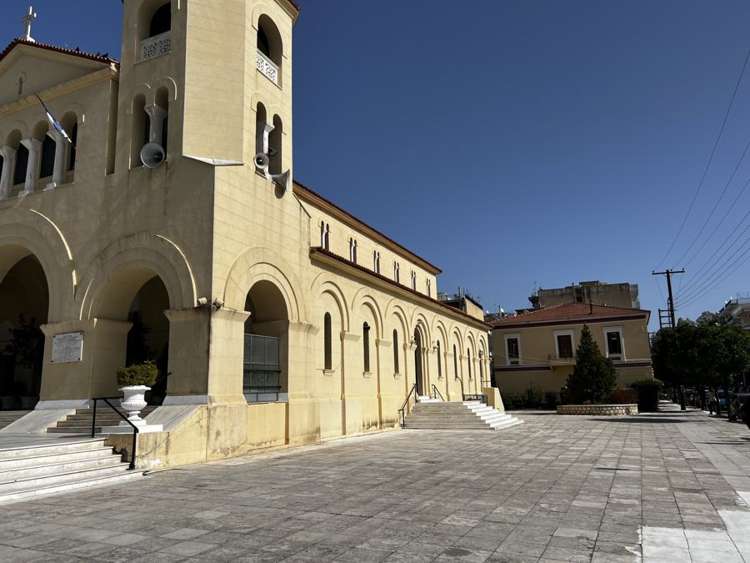
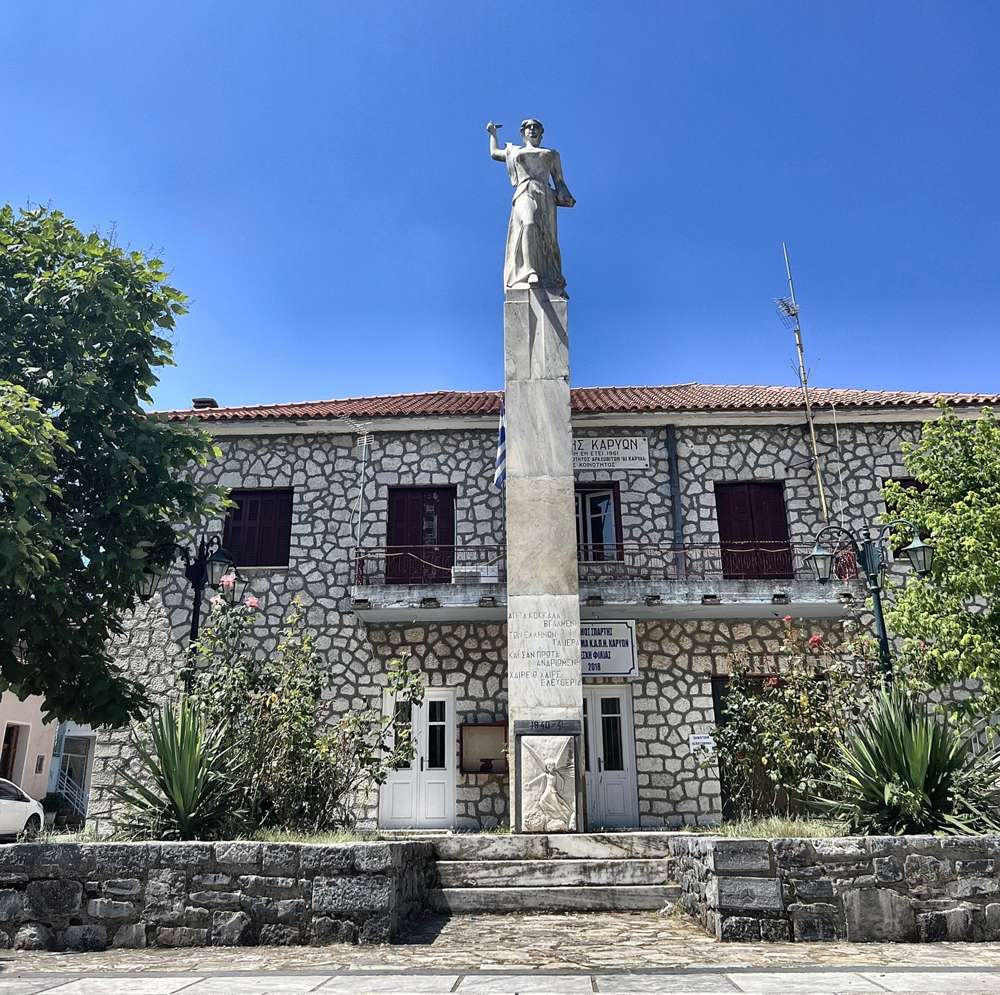
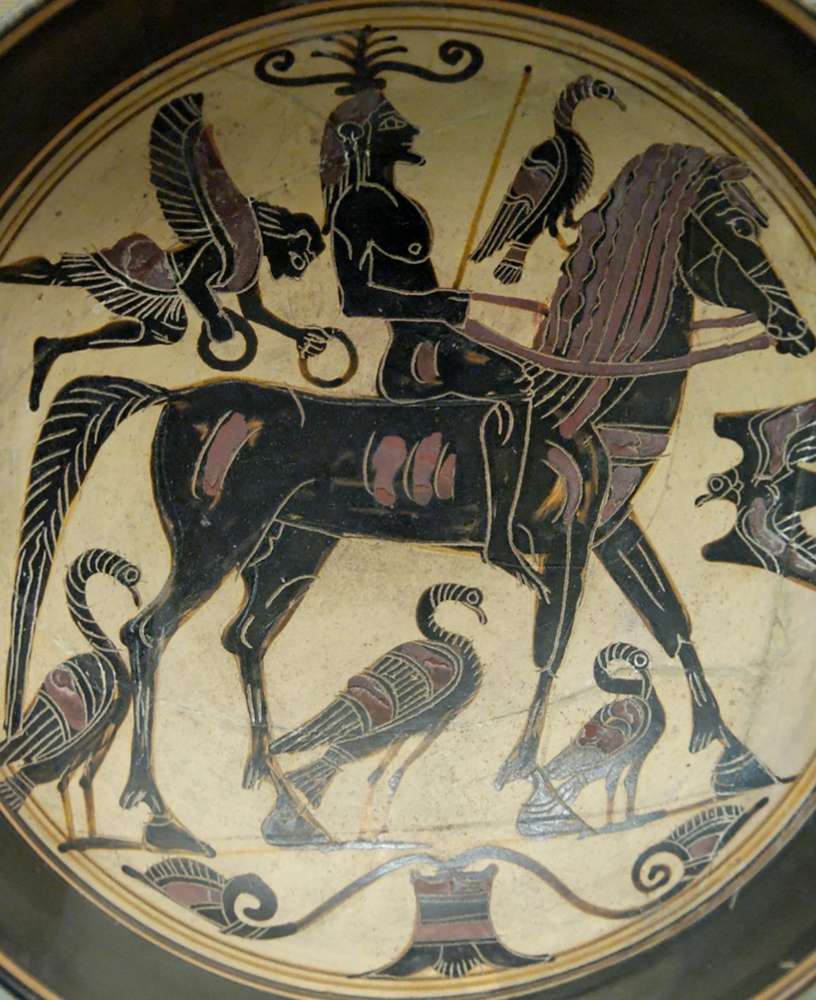
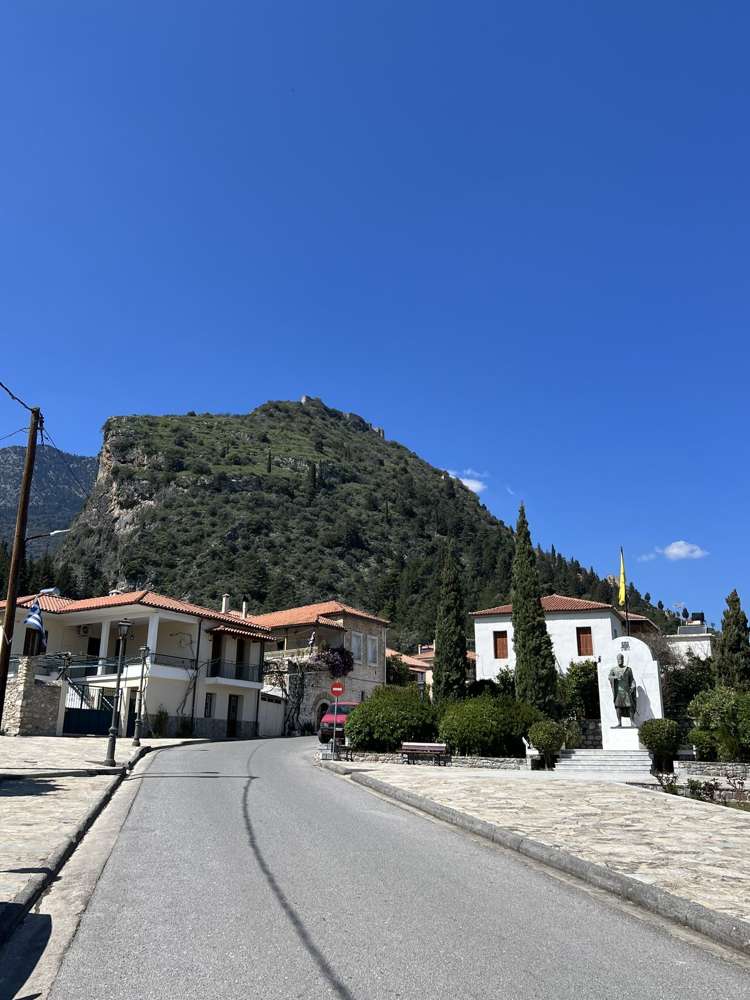
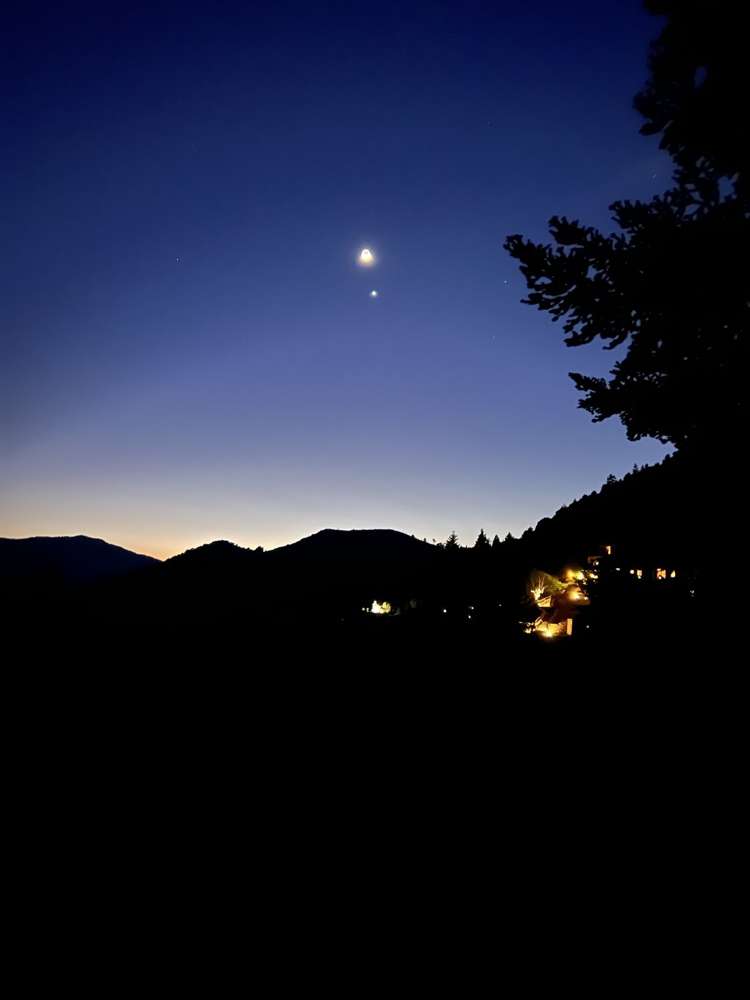
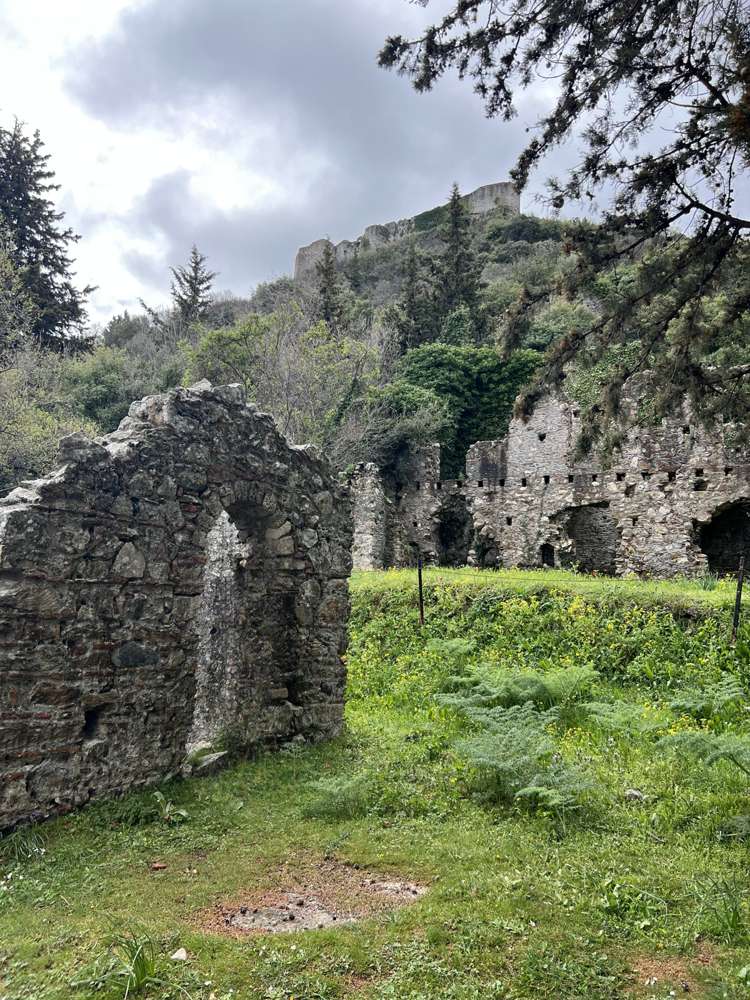
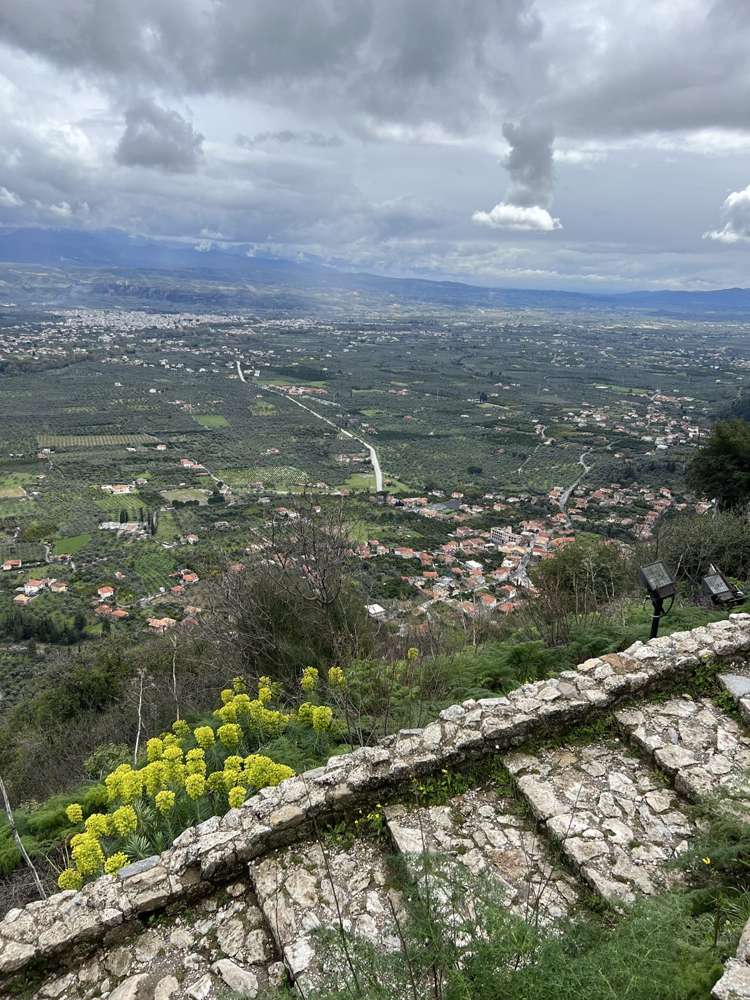
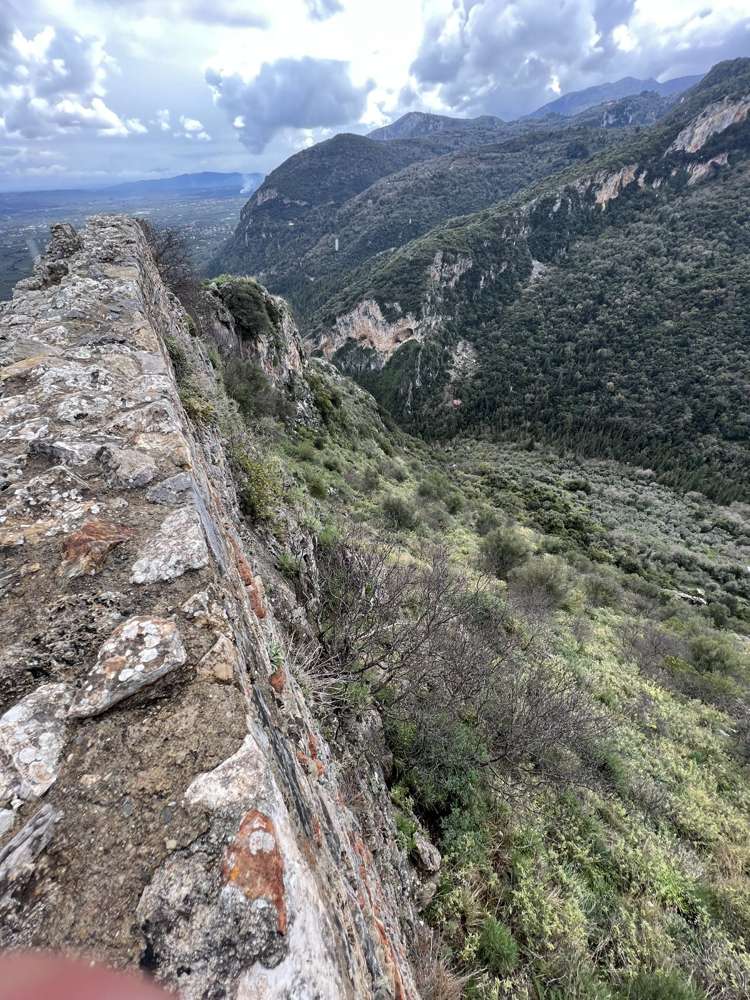
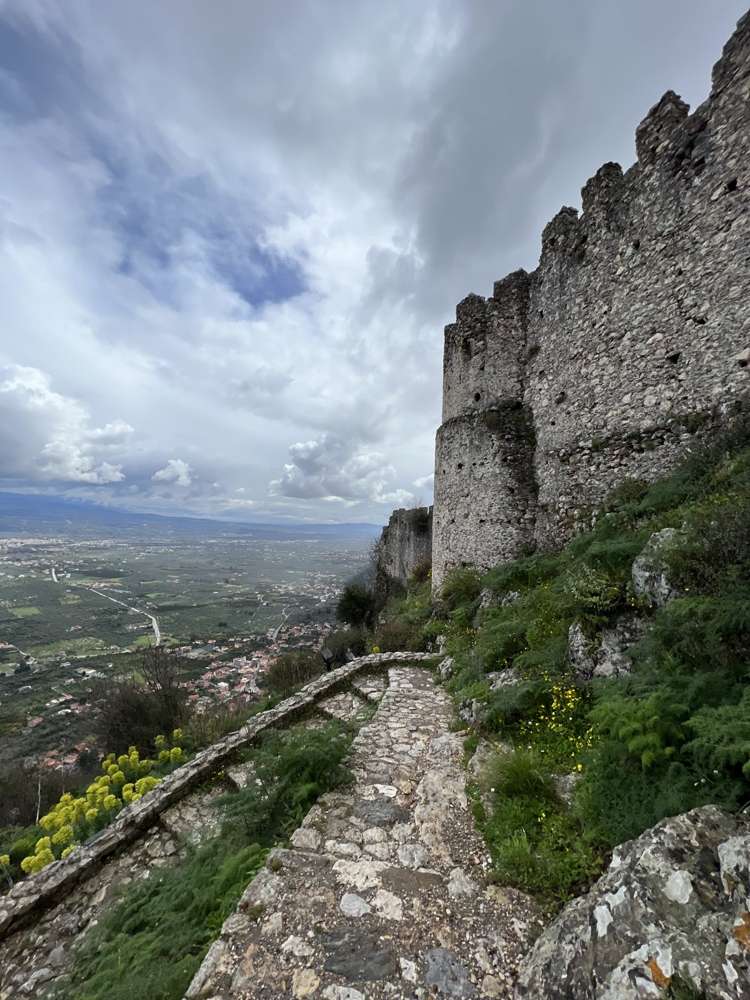
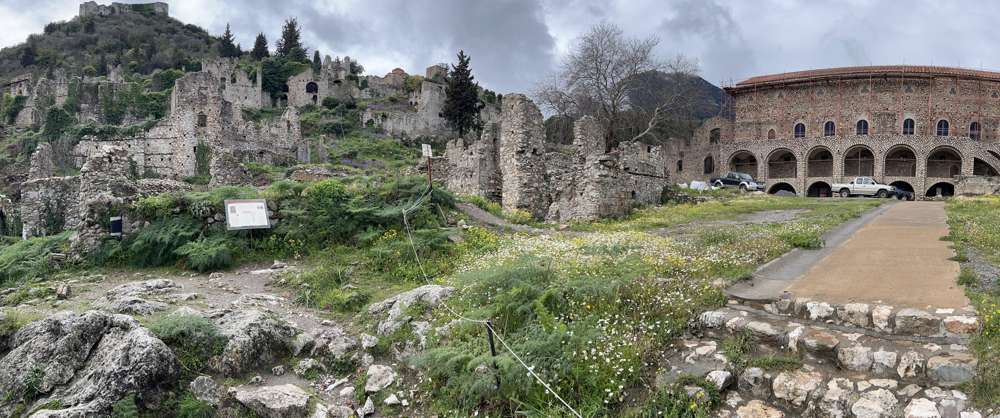
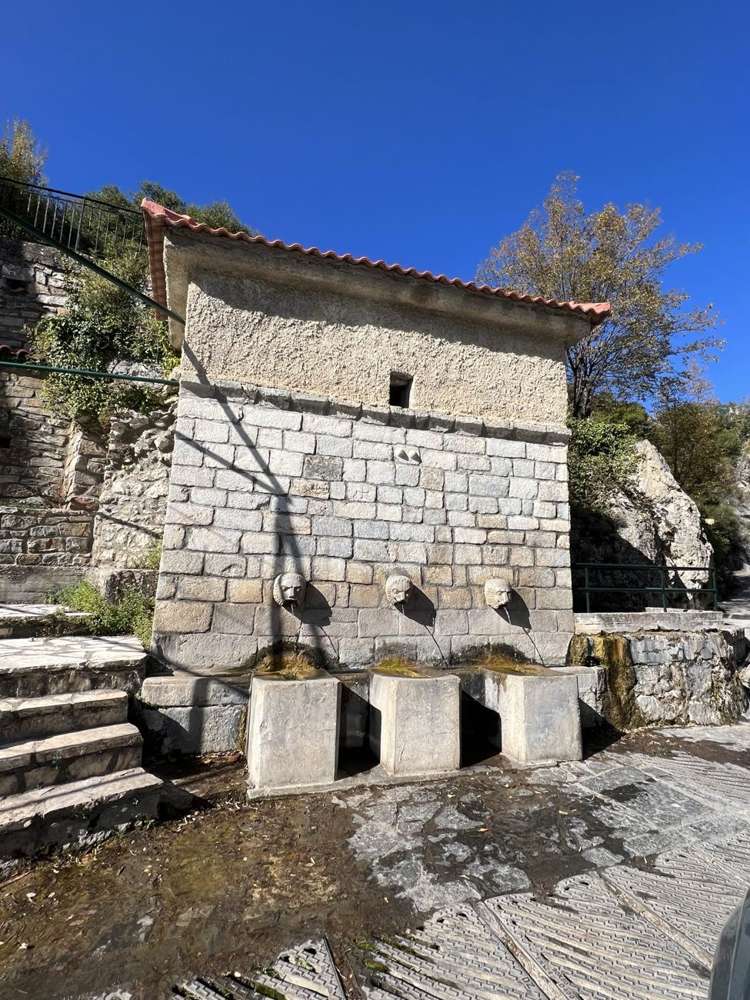
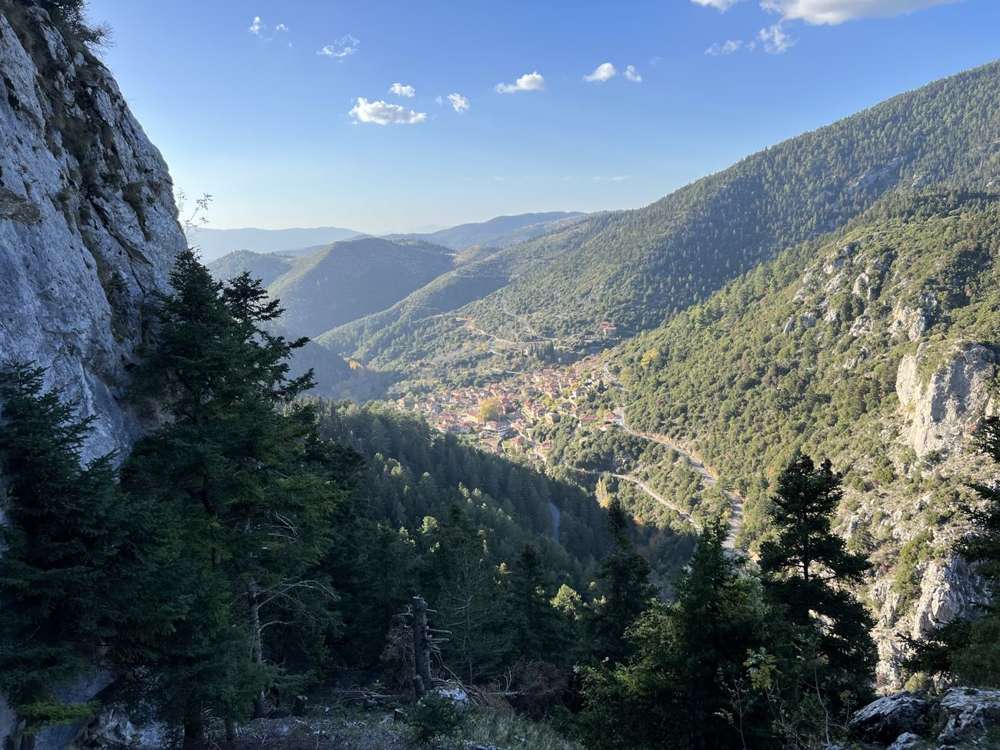
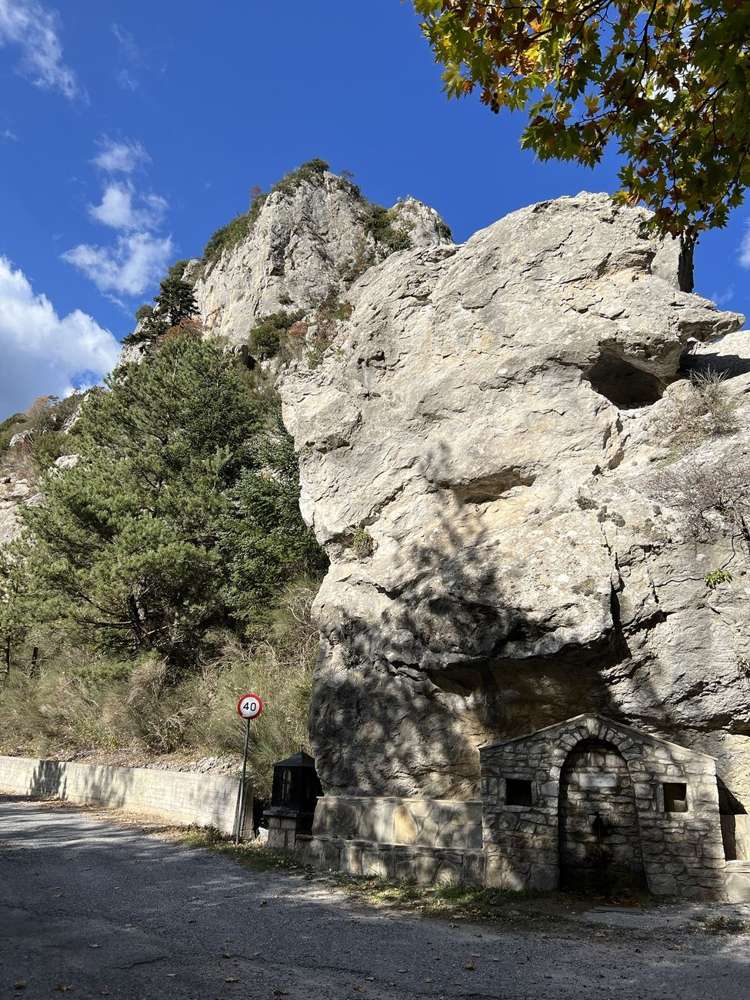
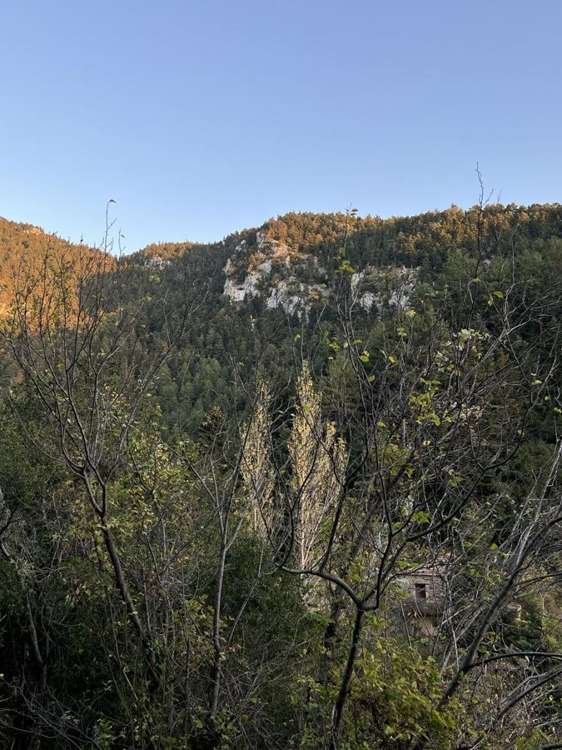
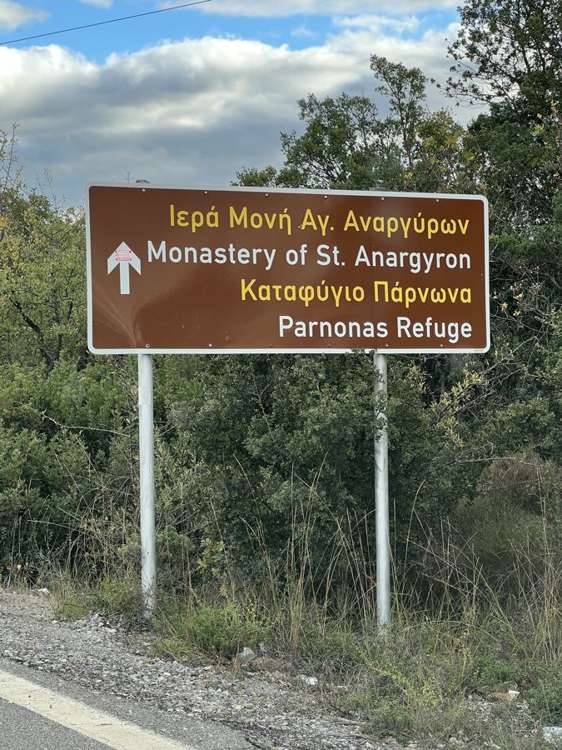
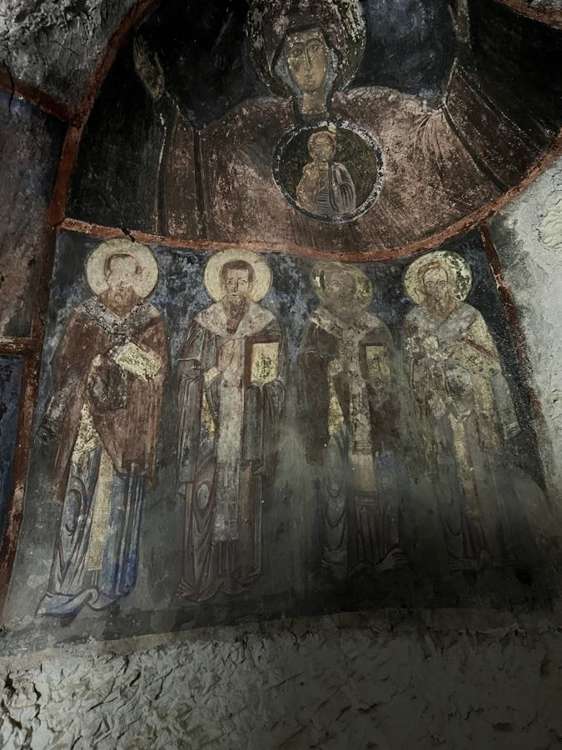
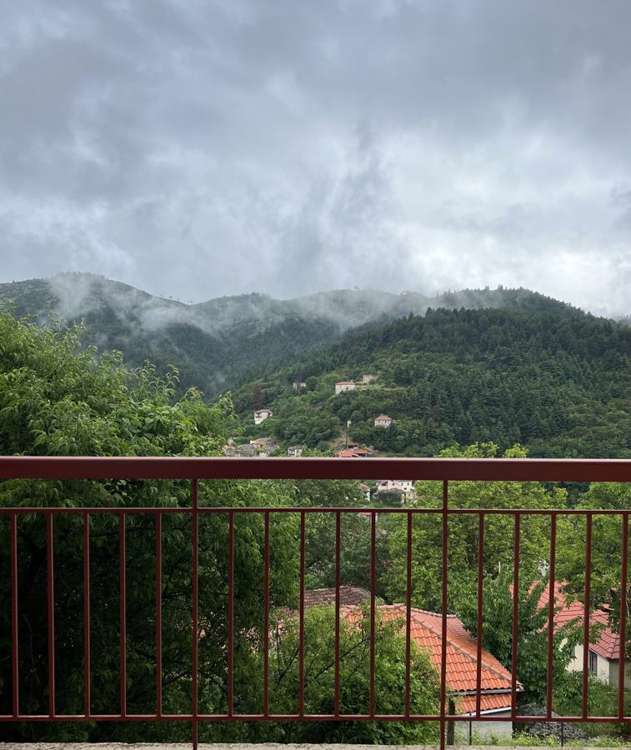
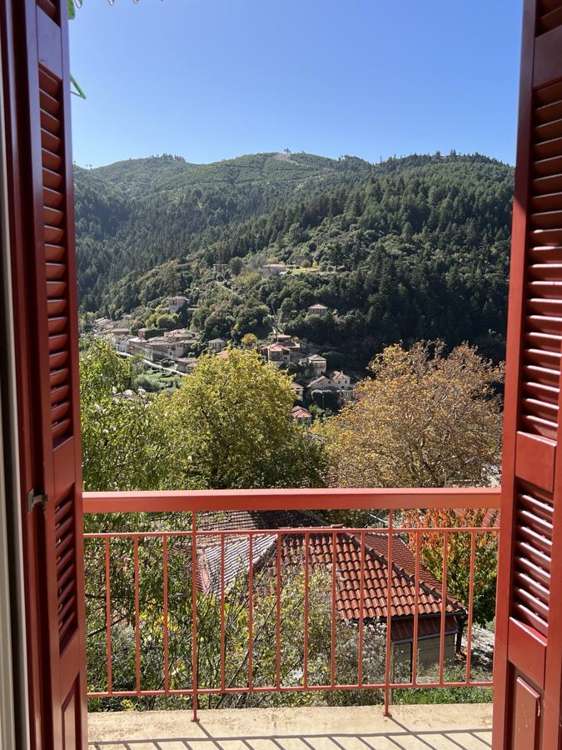
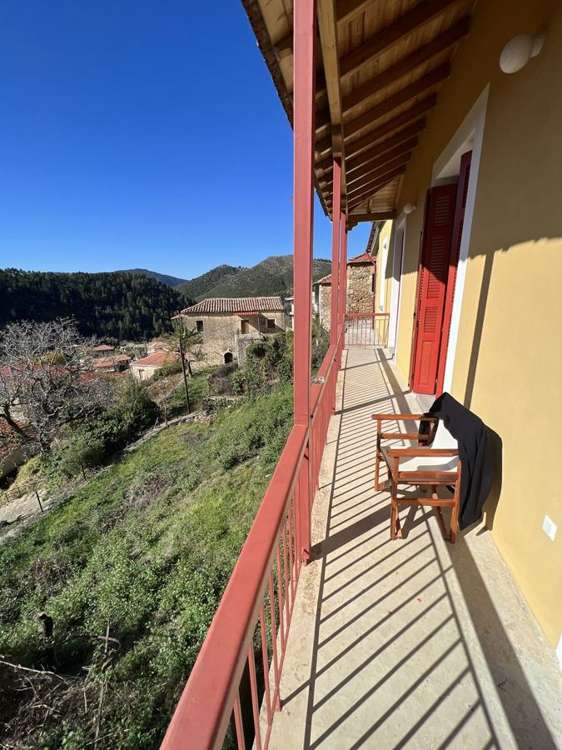
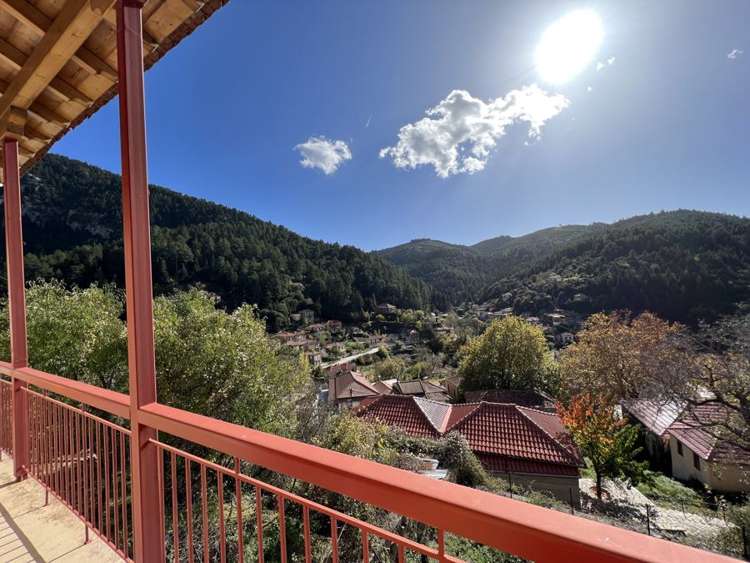
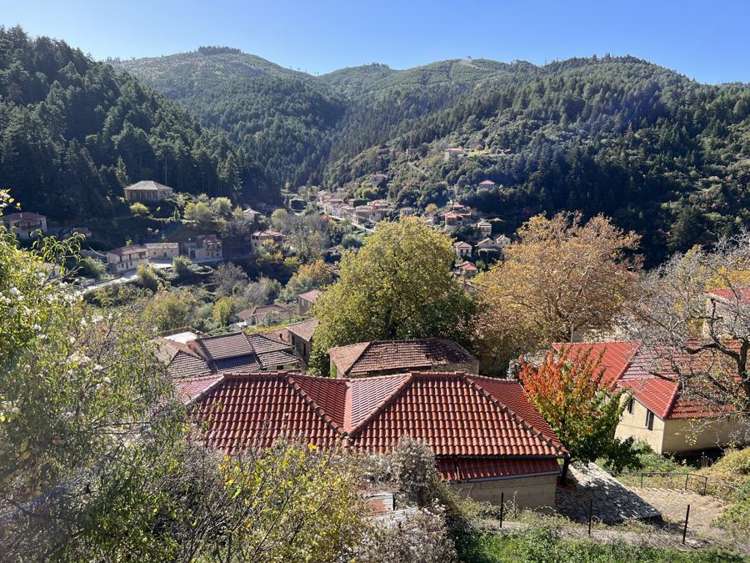
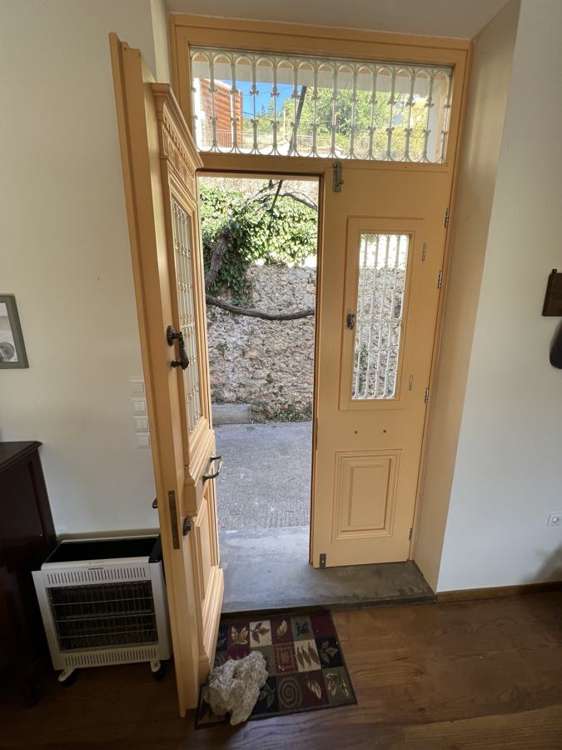
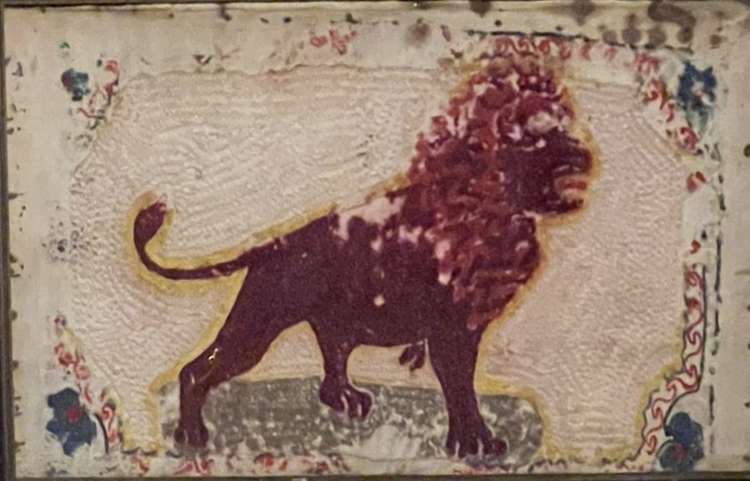
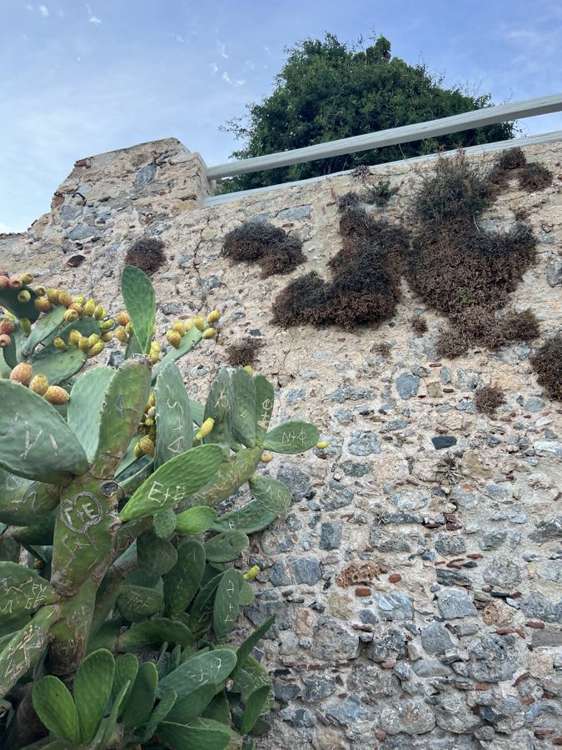
ON THE ROAD Day 11: through the mountains of Arcadia to Laconia, with a turn into the fir forests of Mount Parnon and the village of Polydroso. Day 12: the acropolis and theatre, the sanctuary of Artemis Orthia, the Menelaion at Therapne and Byzantine Mystras. Evenings at village tables.
Gytheio was the ancient port of Sparta. Beyond it the Mani runs south to Cape Tainaron, where the Greeks placed an entrance to the underworld and a sanctuary of Poseidon; through this gate, tradition says, Herakles went down to bring up Kerberos (Apollodorus 2.5.12), and Virgil sends Orpheus down by the "jaws of Taenarus" in search of Eurydice (Georgics 4.467). On 17 March 1821 the Maniates rose first against Ottoman rule at Areopoli, and the town keeps the day.
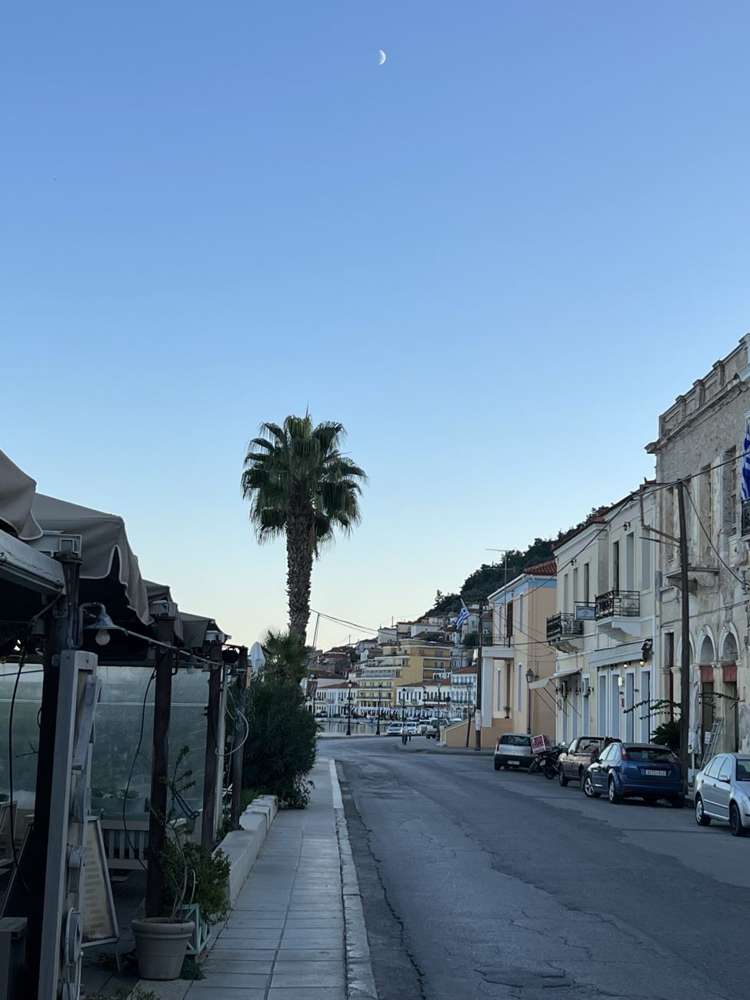
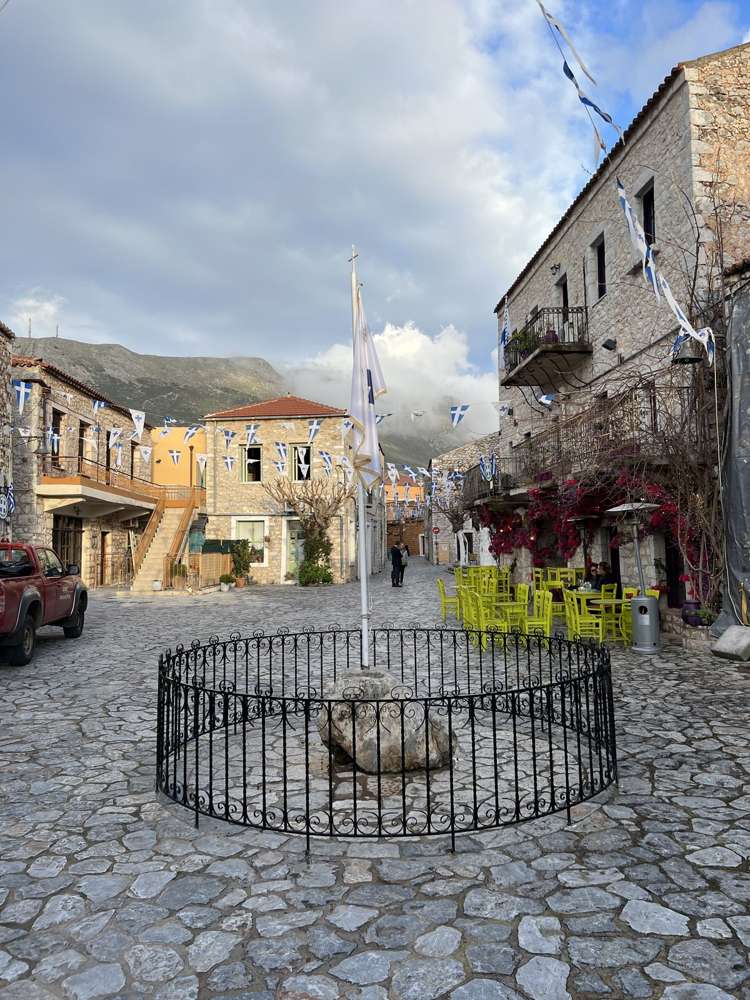
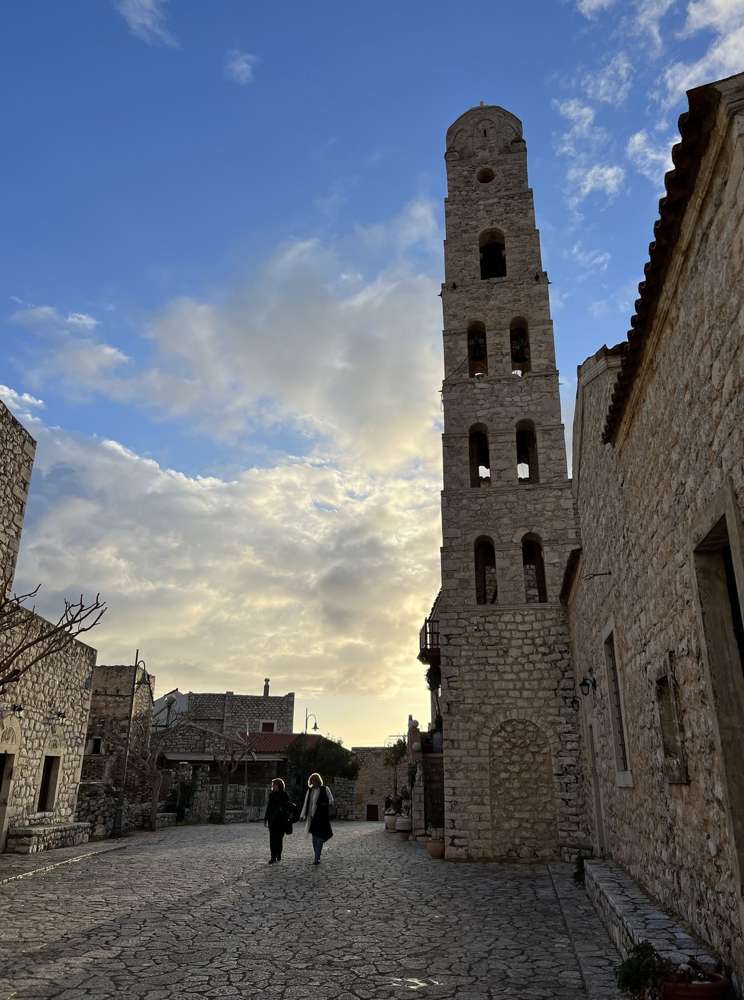
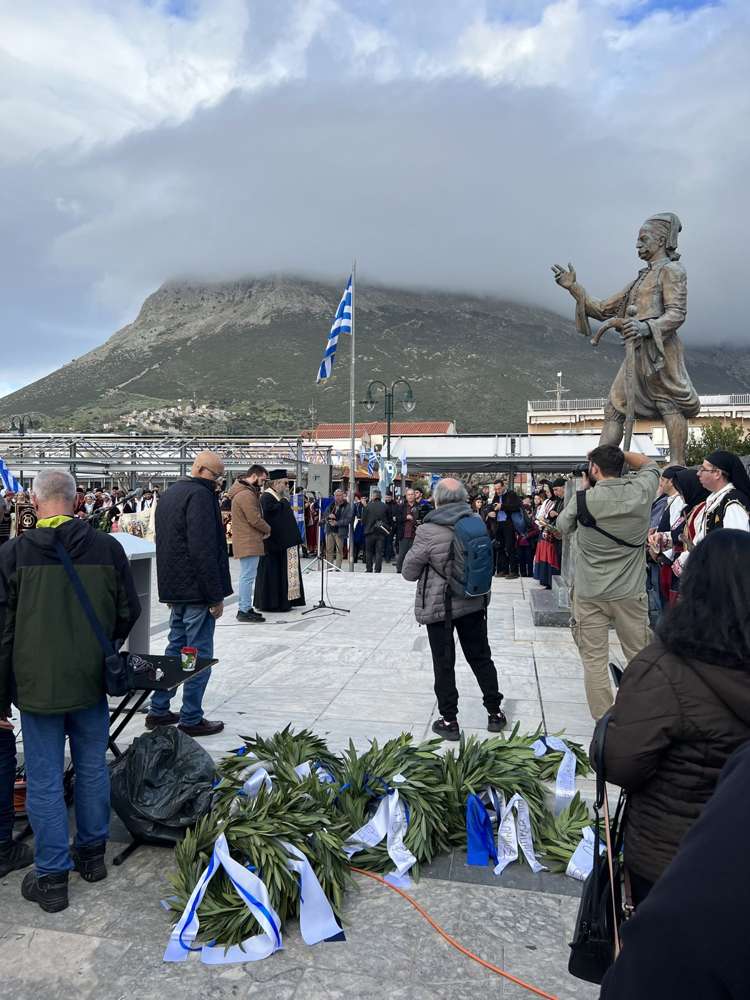
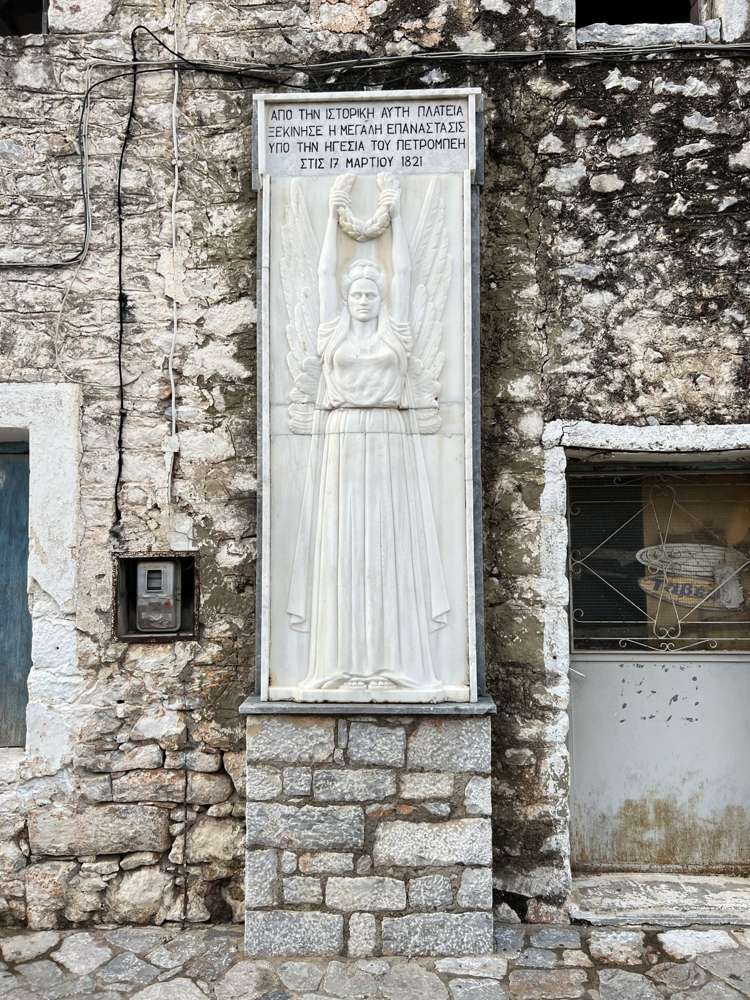
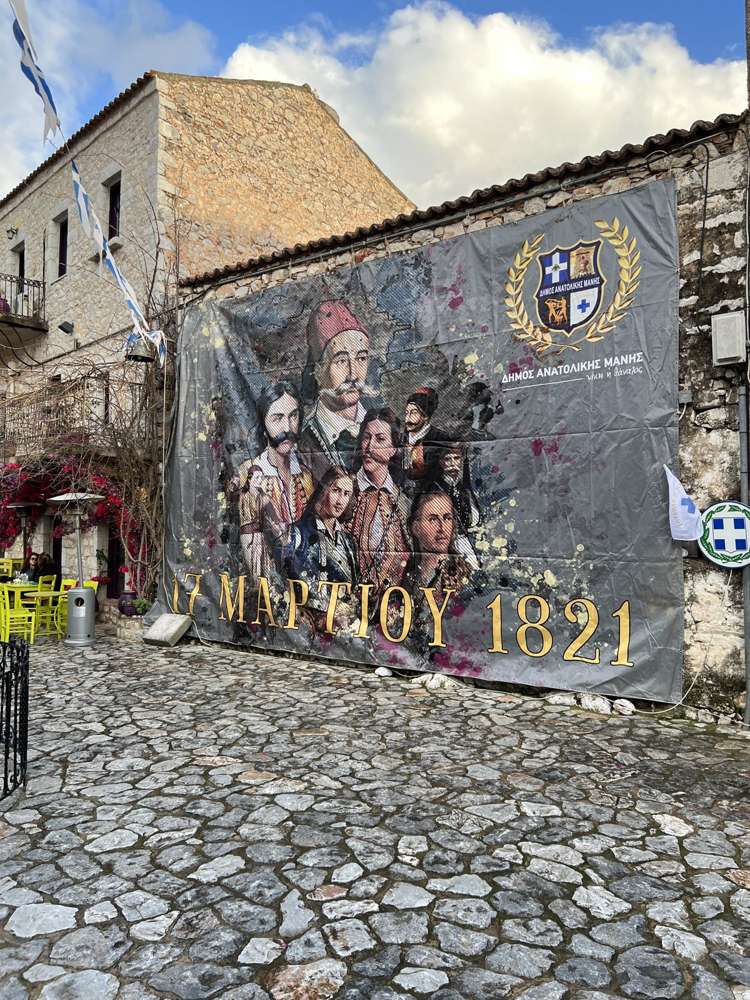
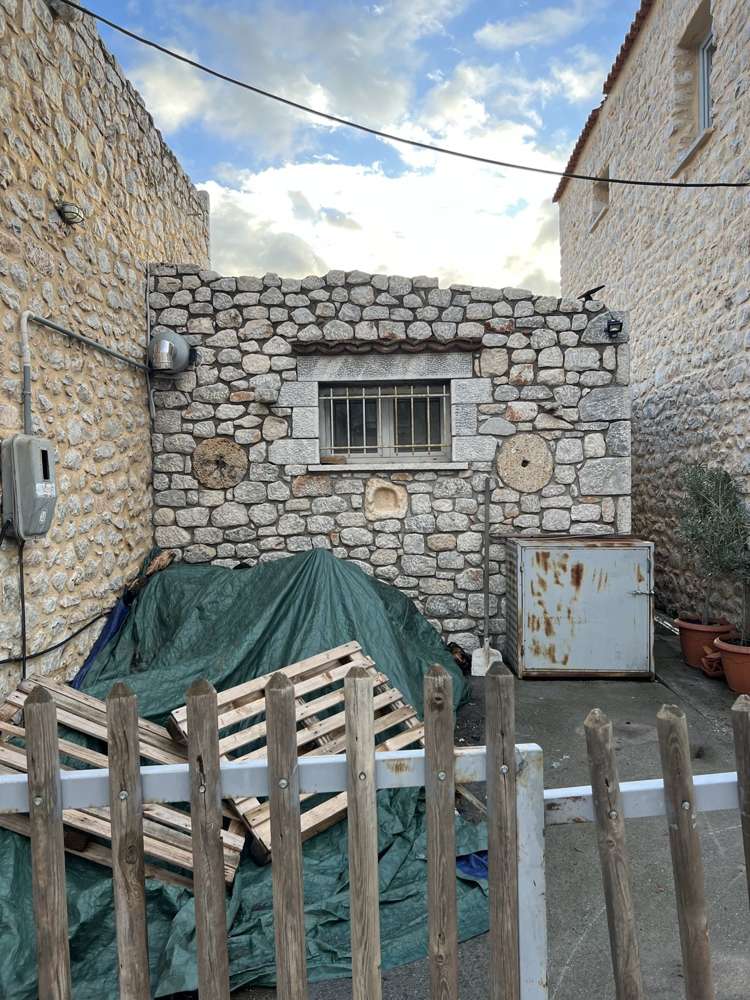
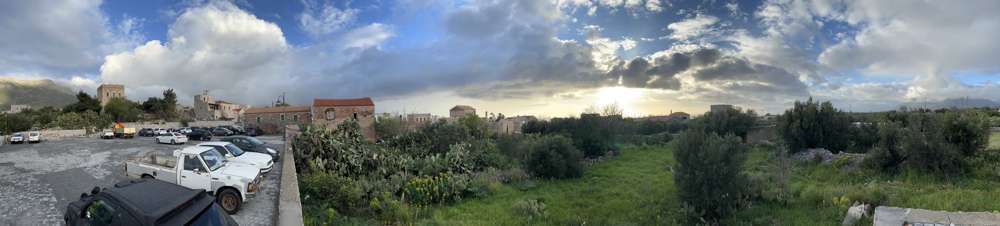
The people of the Mani, the rugged middle peninsula of Laconia, count themselves descendants of the ancient Spartiates. Never fully subdued by the Ottomans, they were the first to rise in the Greek War of Independence, at Areopoli on 17 March 1821.
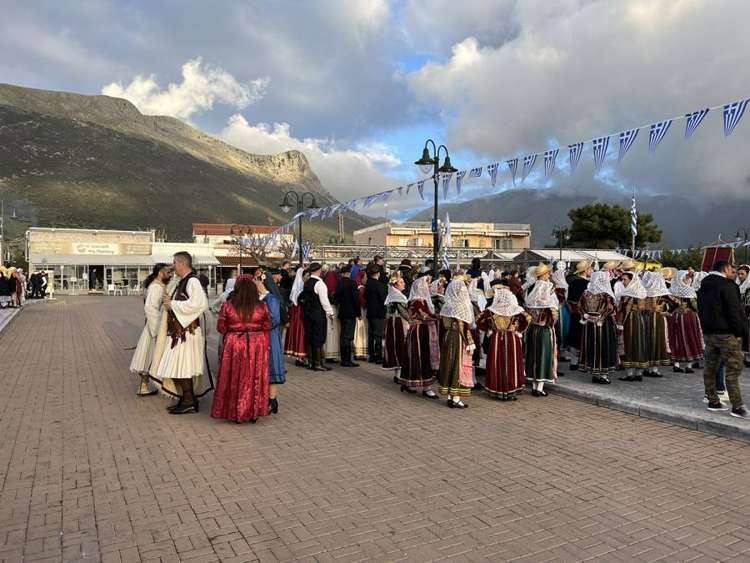
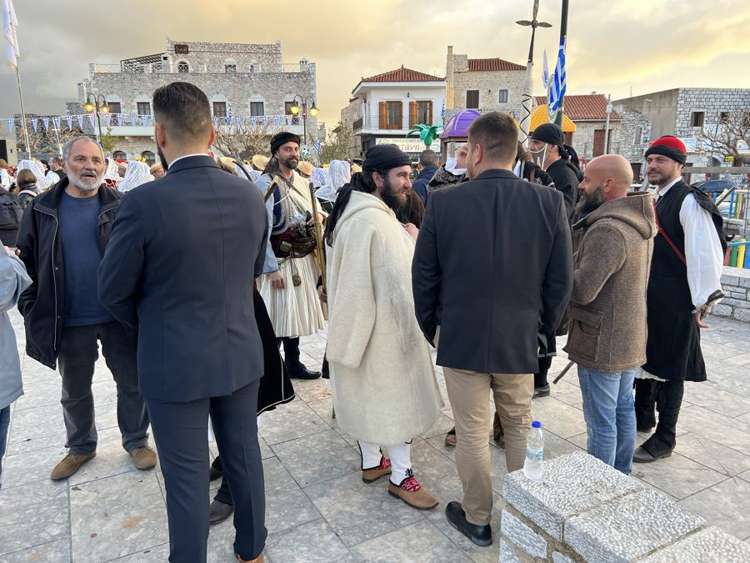
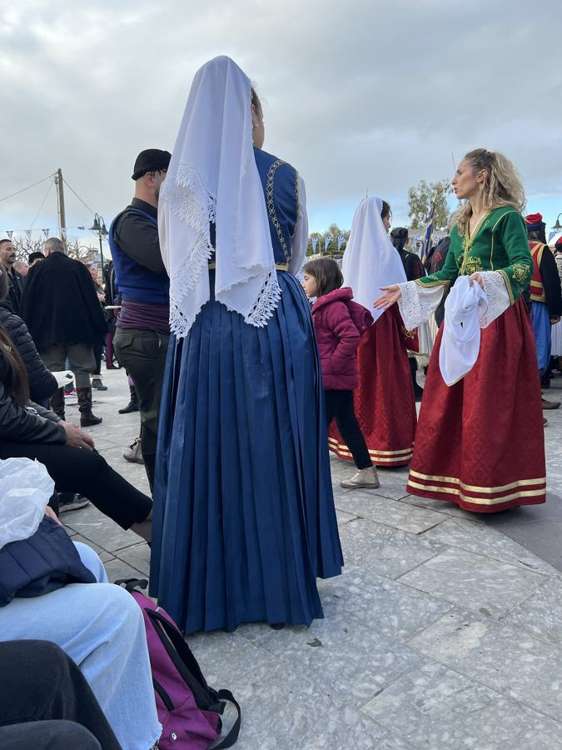
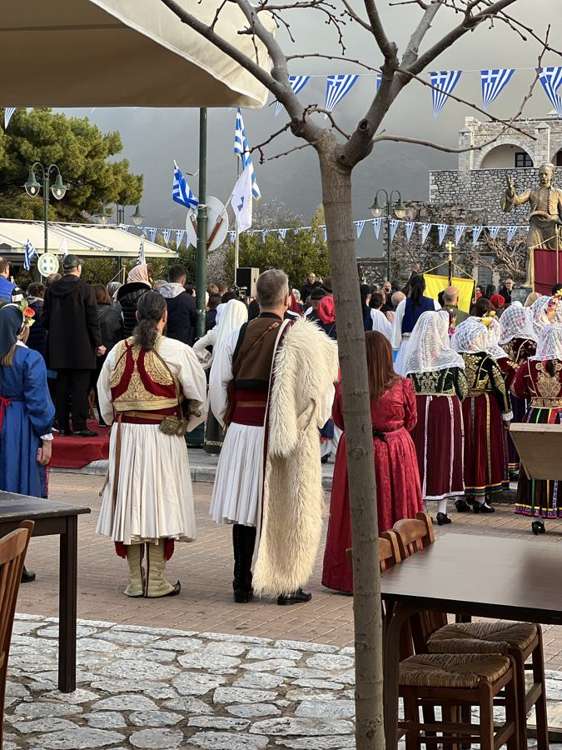
ON THE ROAD Through Gytheio to Areopoli for the anniversary; the towers of Vatheia and the caves of Diros.
Its name means "single entrance": a rock off the Laconian coast, joined to the land by a causeway, fortified in the Byzantine age. Not an ancient sanctuary, it is a place to rest between Sparta and the Argolid, and to see how the Greek world lived on after the old gods' temples closed.
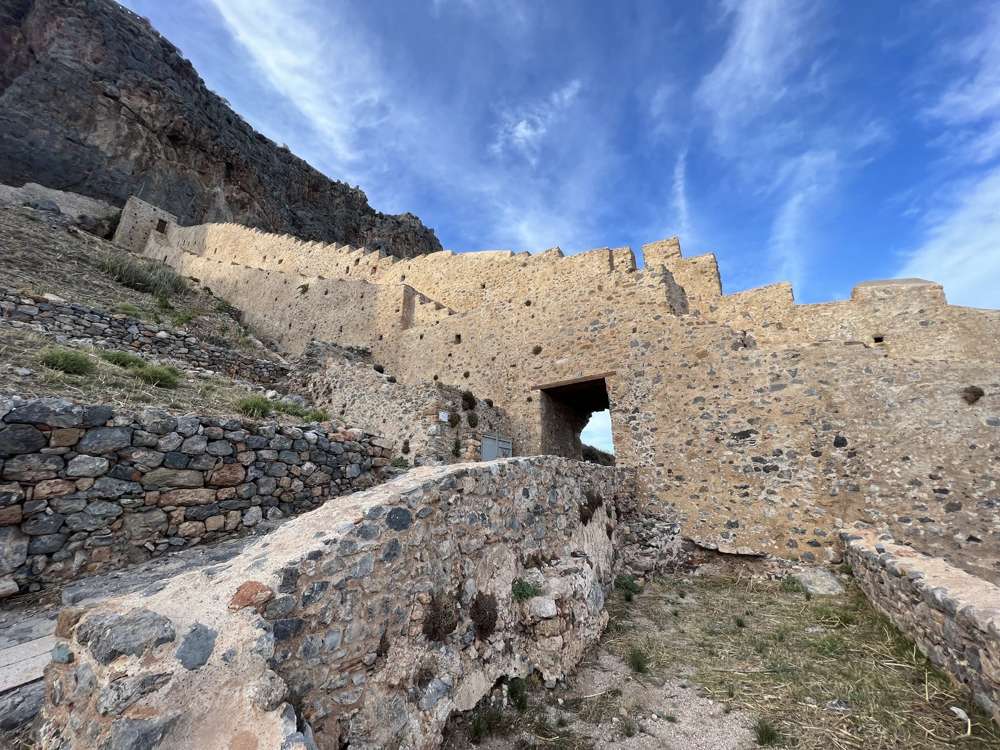
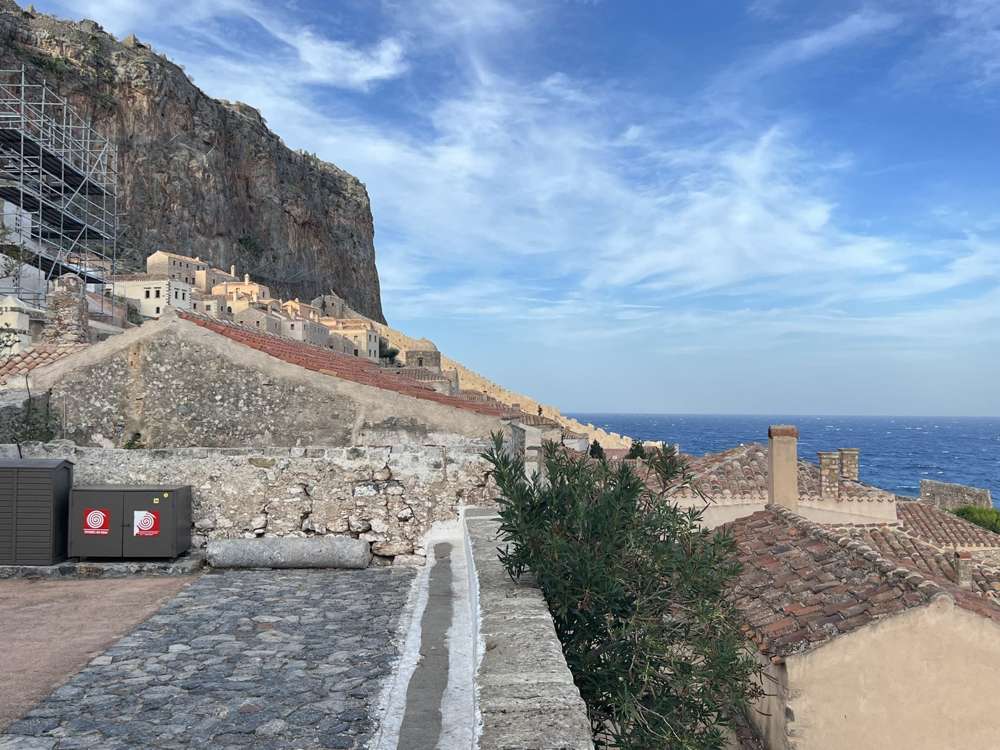
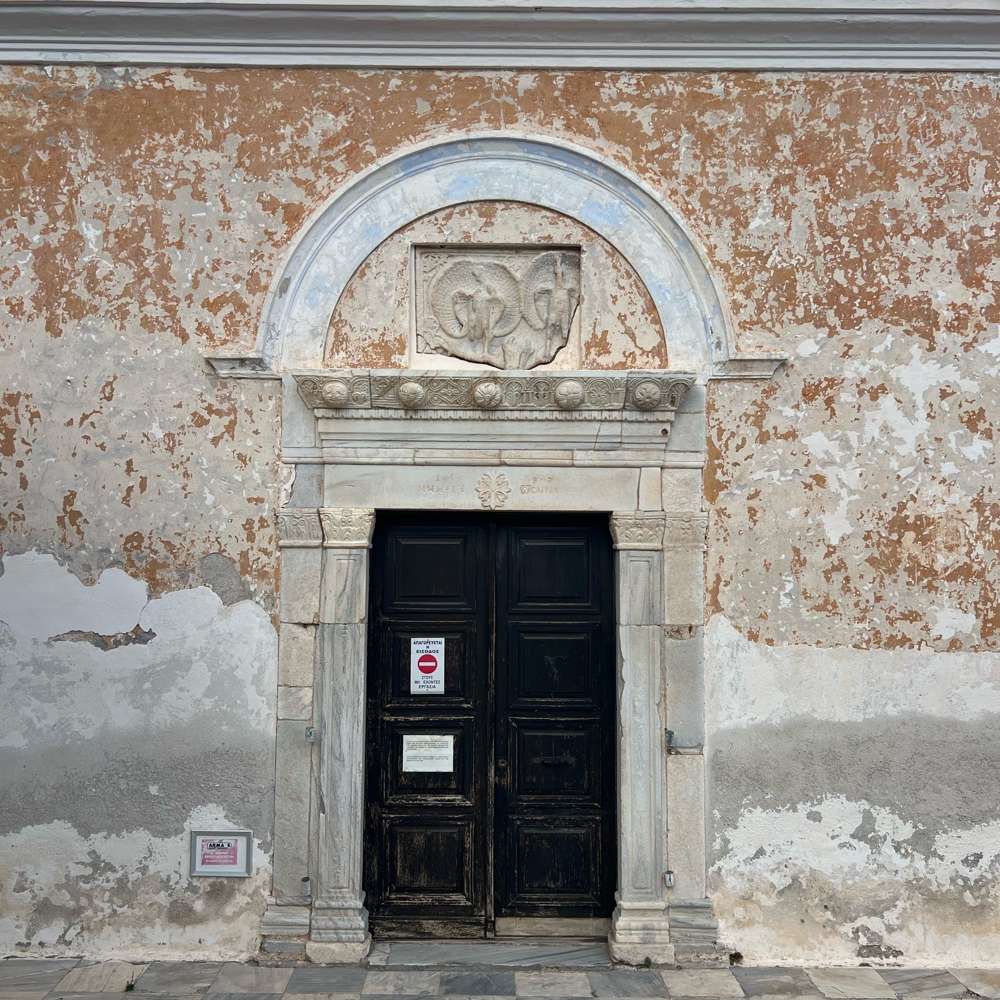
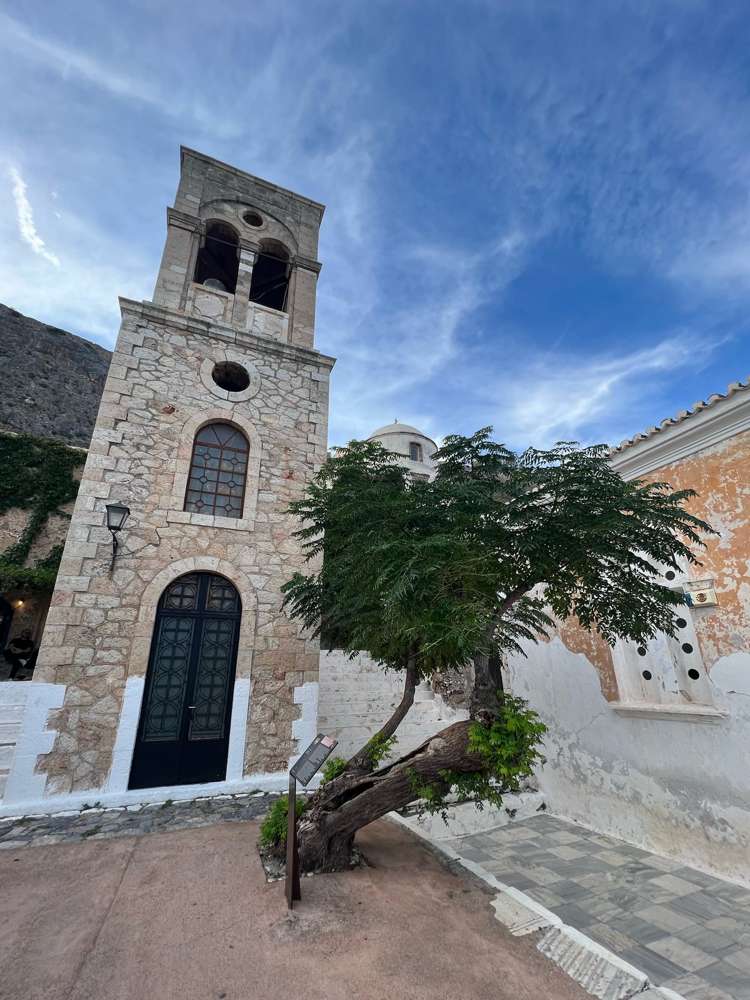
ON THE ROAD The town is entered by a single gate. Night within the walls.
Before Athens and Sparta, the Greek world was ruled from Mycenae, high in the Argolid. Its walls were built of stones so vast that later Greeks believed only the Cyclopes could have raised them.
The Lion Gate, set up around 1250 BC, is the oldest monumental sculpture in Europe still standing where it was made: two lions flank a sacred column above the lintel. Homer's kings rode out beneath it to Troy, and the pilgrimage passes through it on its last day on the road north.
Mycenae is a sanctuary of memory as much as of gods: here Agamemnon's house fell under the curse that the tragedians sang, and in the Grave Circles the dead were buried with gold masks. On the summit, over the Bronze Age palace, an Archaic temple was built in the late seventh century BC and rebuilt in the Hellenistic period; an inscription suggests it belonged to Athena, though some have proposed Hera. In the plain below lies Argos, sacred to Hera.
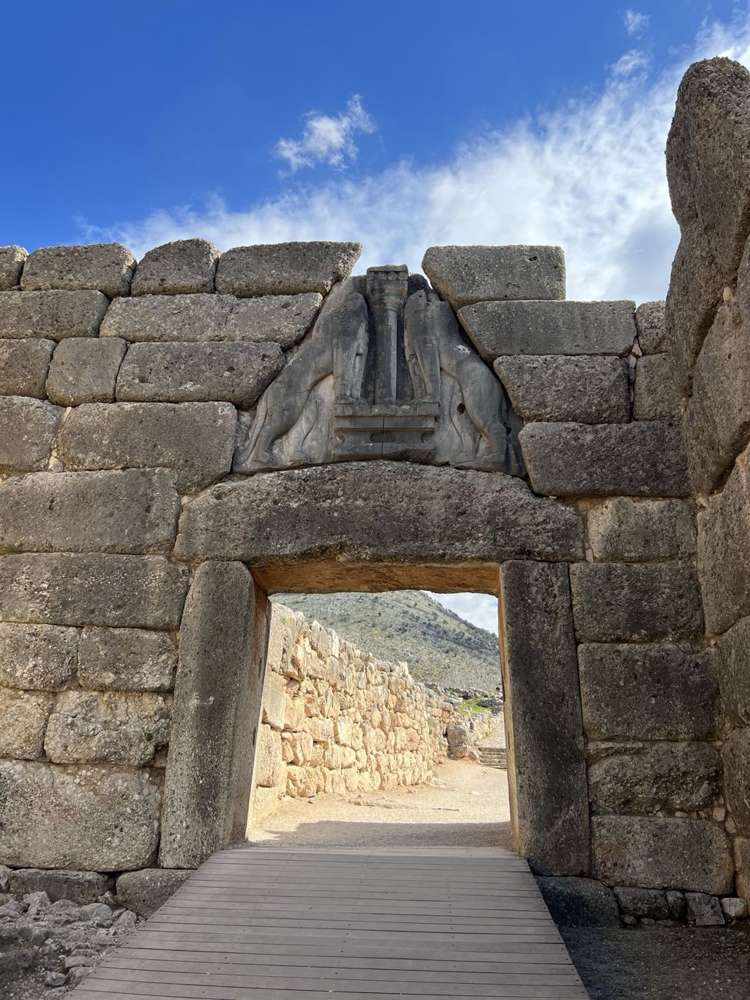
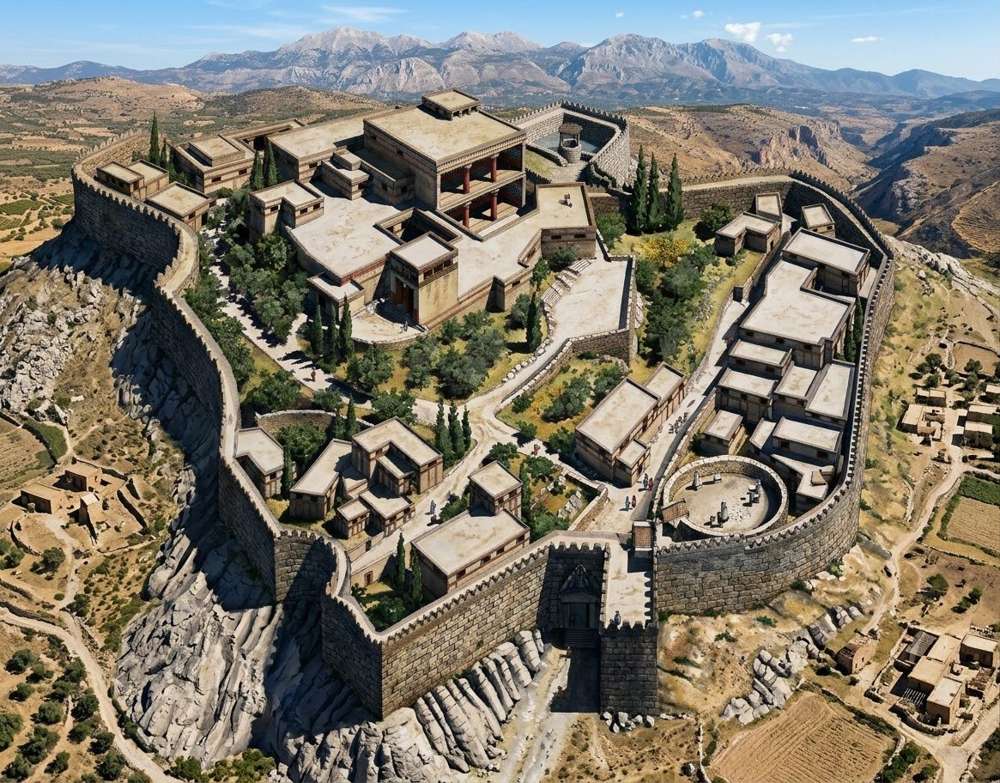
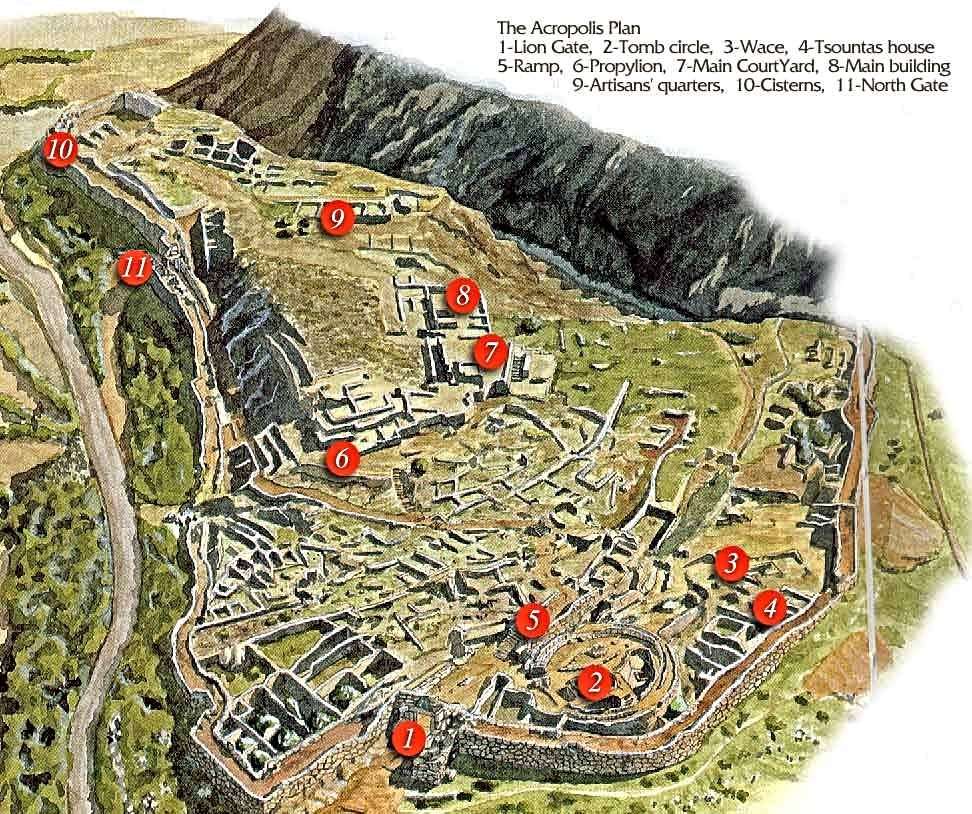
ON THE ROAD Through the Lion Gate and up to the citadel of Agamemnon on the road north. Farewell dinner beneath the Acropolis.
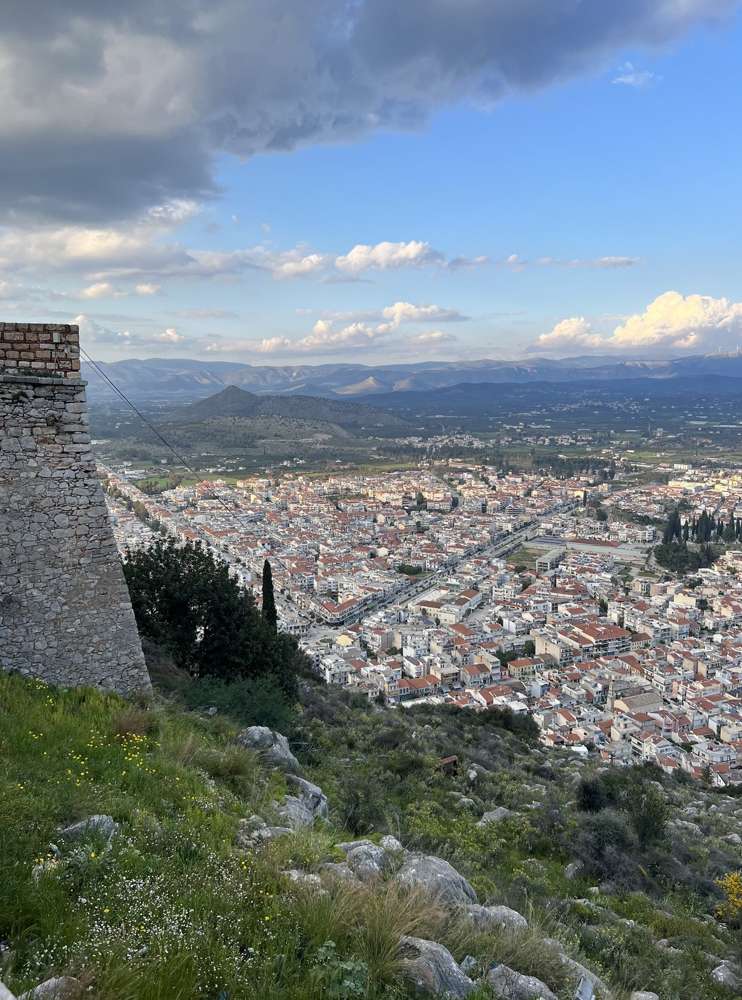
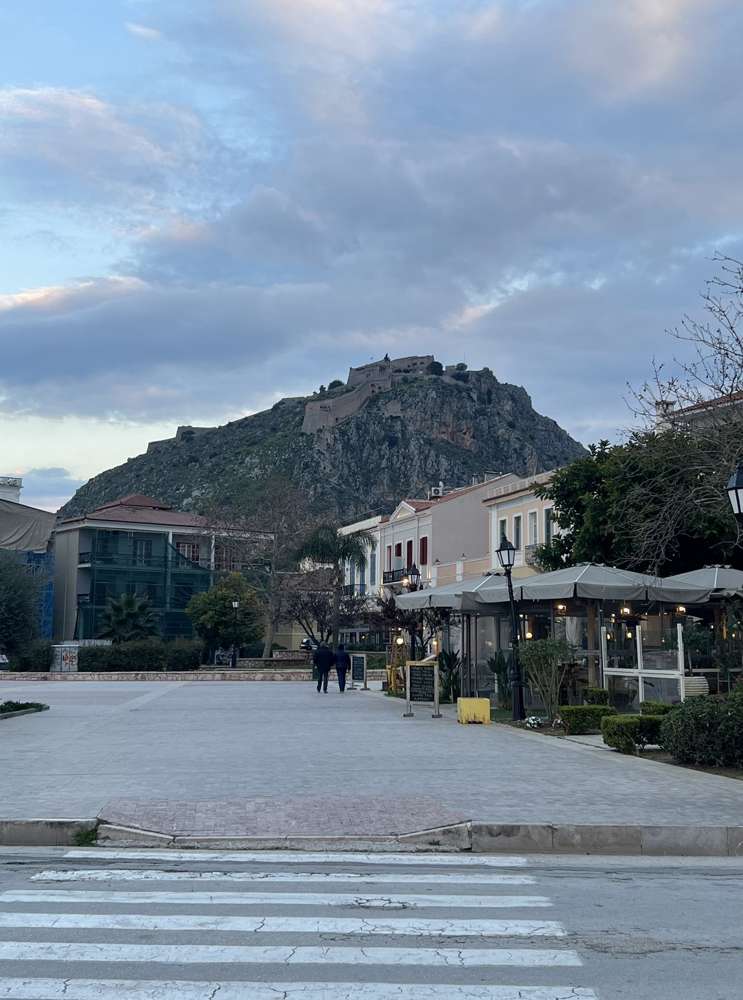
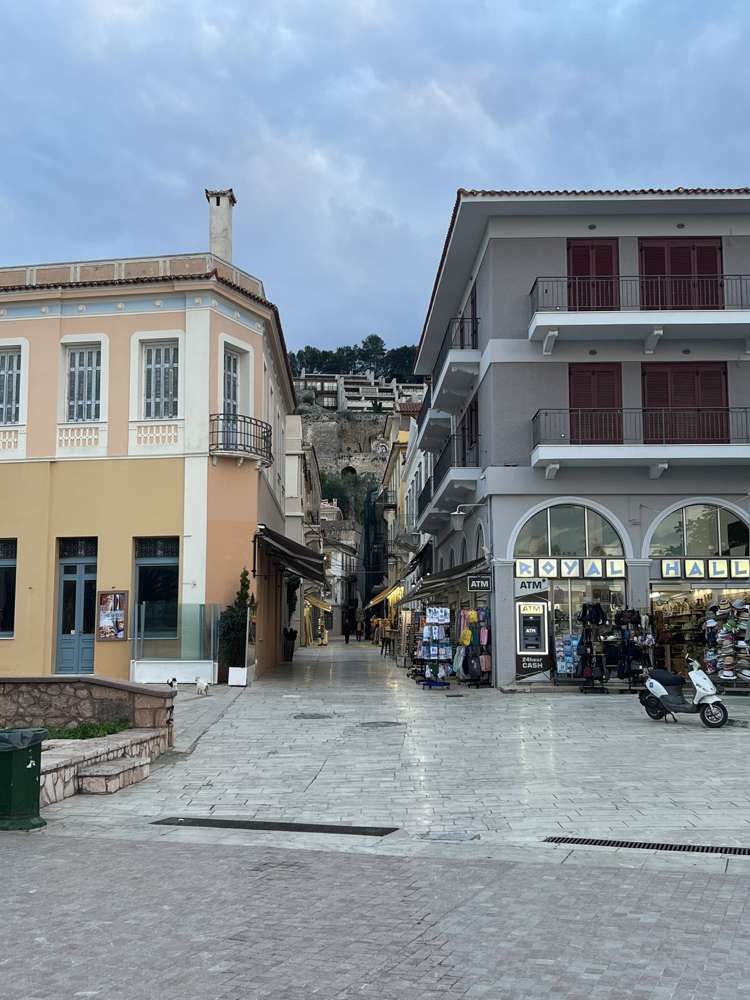
On the Argolic Gulf below Mycenae lies Nafplio, the first capital of the modern Greek state, until the court of King Otto moved to Athens in 1834. Here Ioannis Kapodistrias, the first governor of free Greece, was shot dead at the door of the church of Saint Spyridon on 9 October 1831. Above the town the Venetians raised the Palamidi fortress in 1711–1714; in the harbour stands the little castle of the Bourtzi.
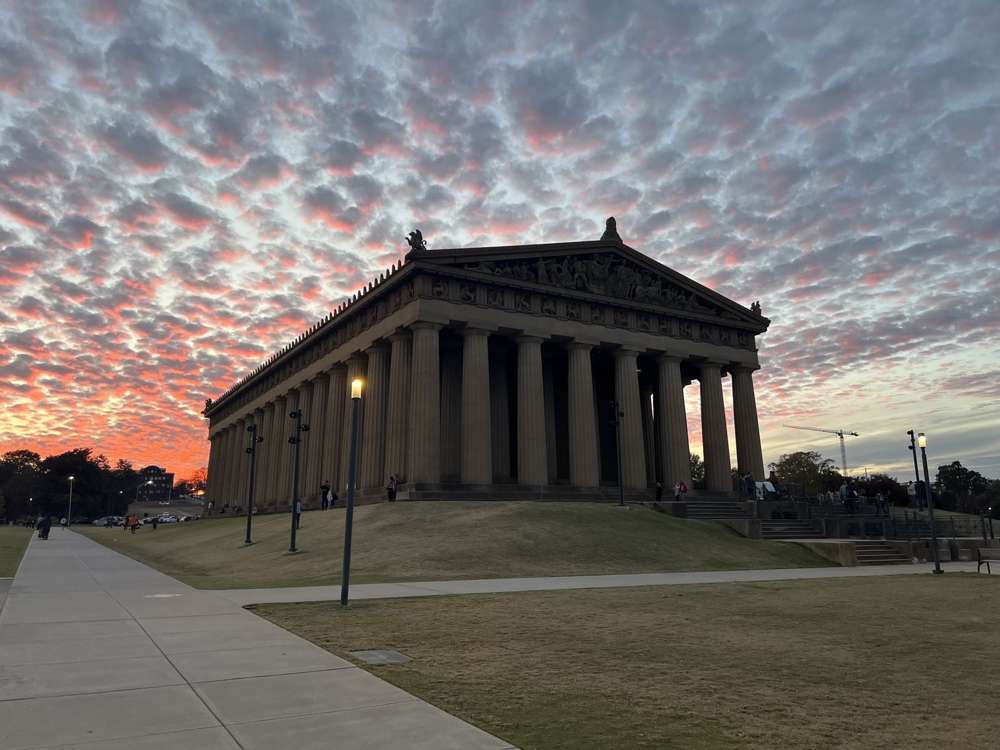
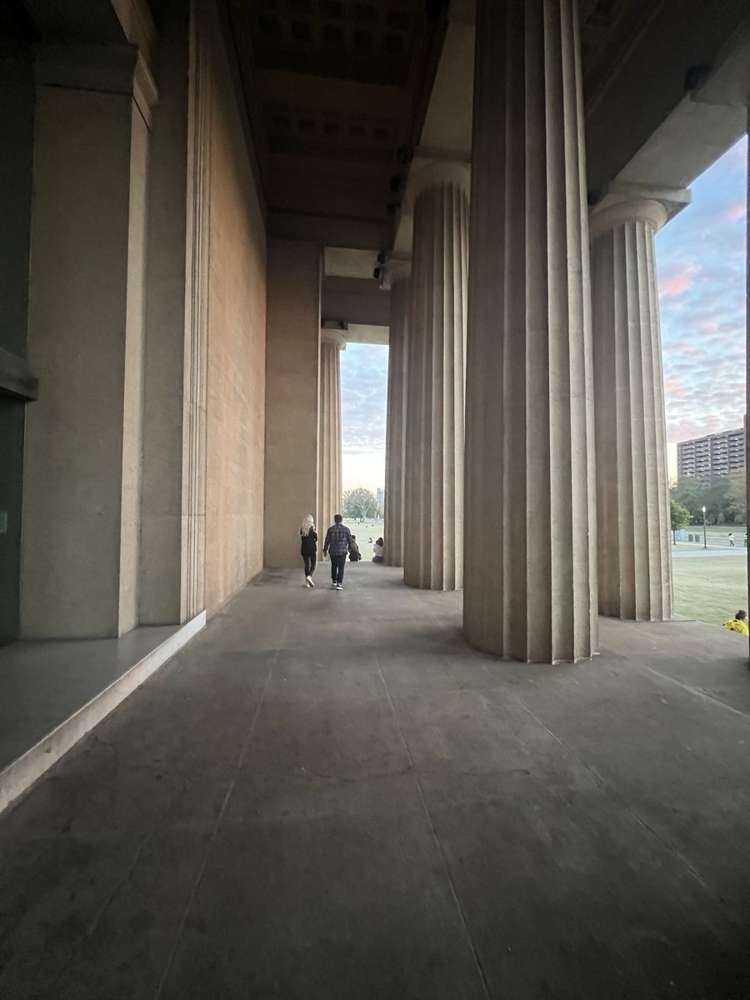
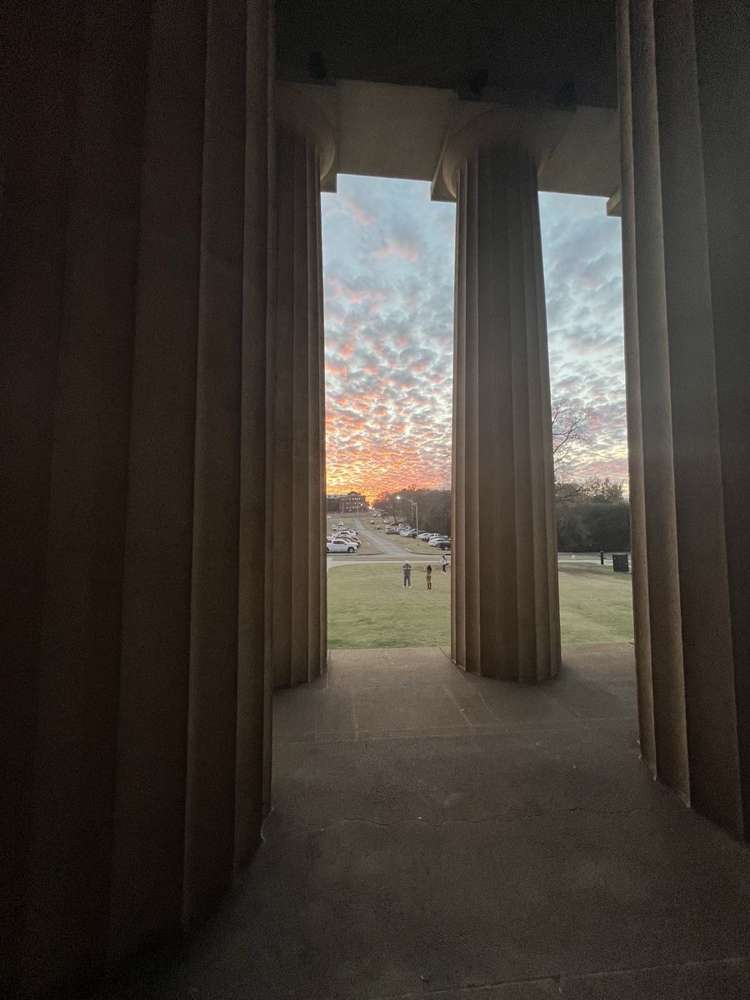
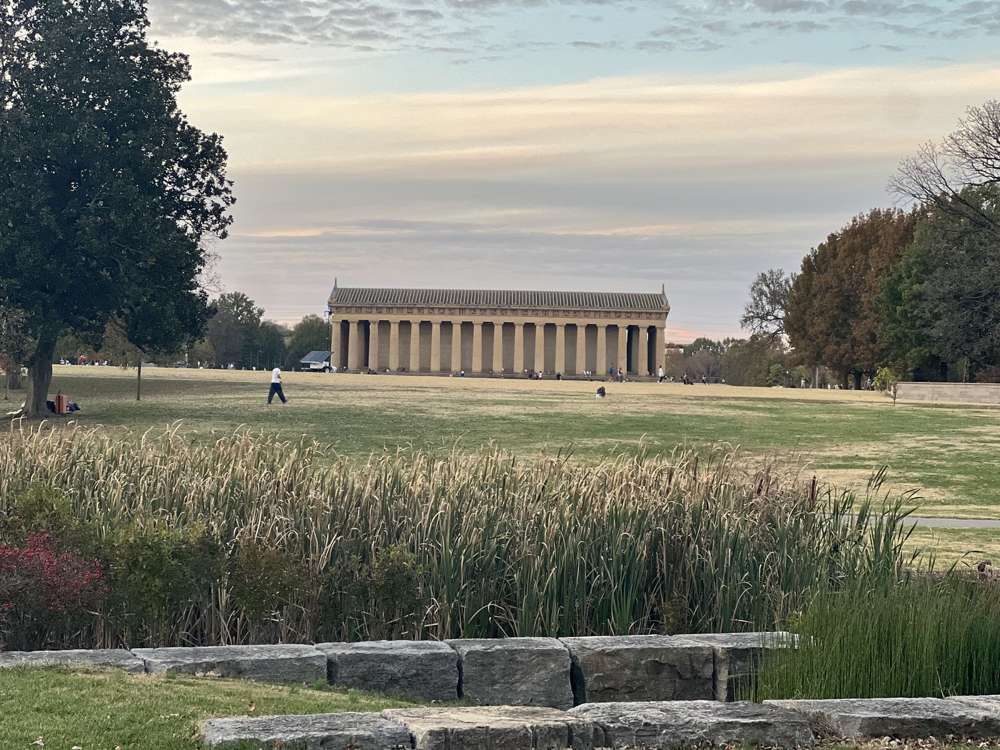
In Nashville, the temple's first chapter will gather on the porches at either end of the Parthenon in Centennial Park, the full-scale replica of the temple on the Athenian Acropolis. The Hellenes worshipped outside their temples, at the altar before the doors, while the god's image stood within. In winter, the chapter moves indoors to one of the city's other classical buildings.
In other cities, each chapter meets inside a classical building of its own city: a university hall, a church, a government building or a school. Two members can found a chapter; register it in a minute, and the festivals you log in Hemera are its only report.
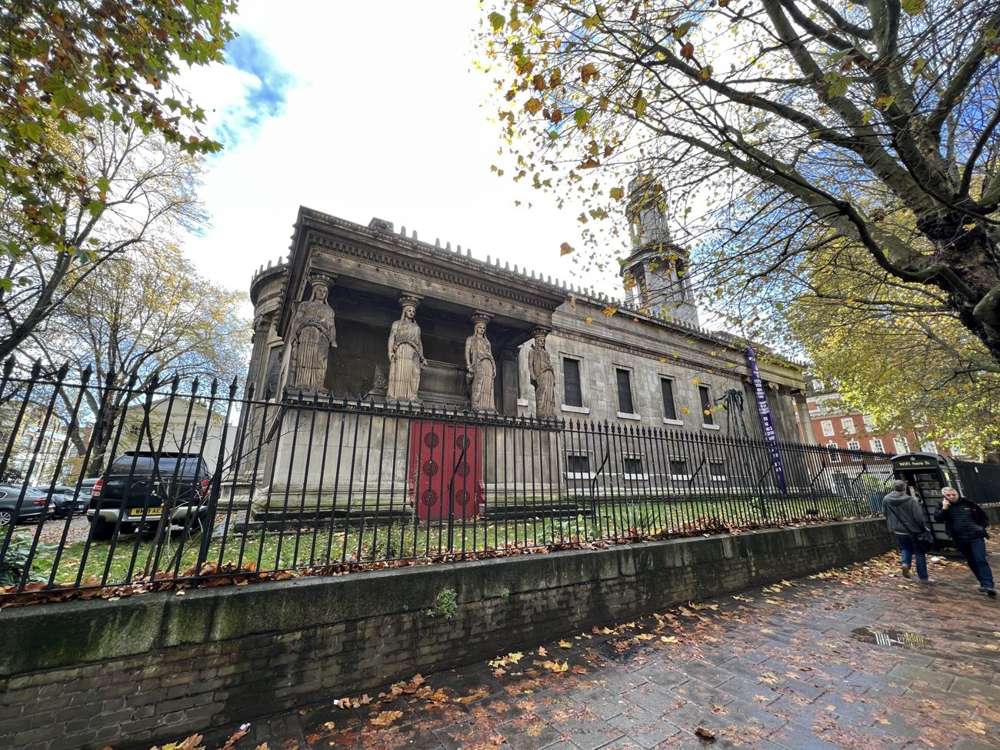
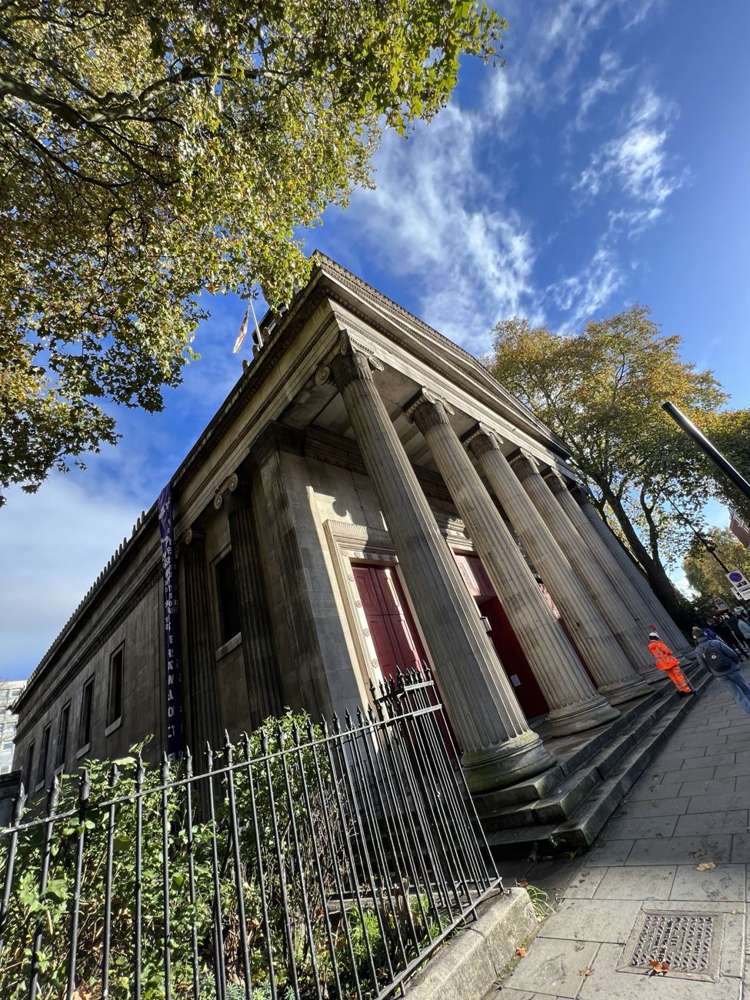
London shows what such a building can be. St Pancras New Church, built in 1819–22 at the height of the Greek Revival, copies the Erechtheion on the Acropolis, caryatid porches and all.
We part as theoroi returned, carrying the sanctuaries home to our own hearths and to the temple's festival year.
ON THE ROAD Flights home from Athens.