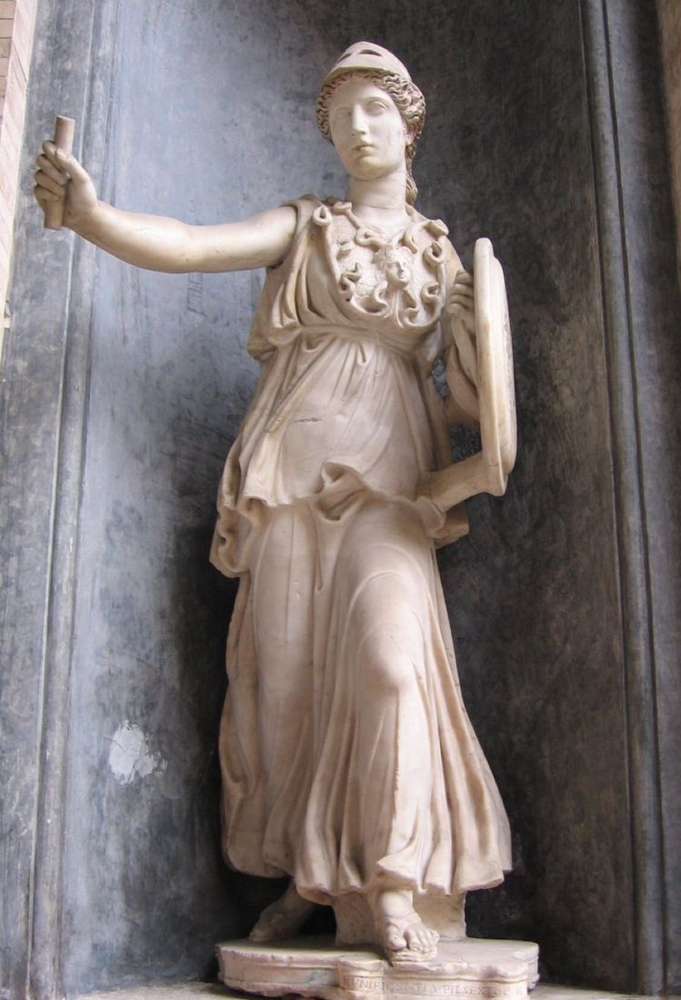
Athena, born from the head of Zeus, is the goddess of wisdom and skilled craft, the protector of cities and the leader in war who saves the people. Athens bears her name, and the Spartans honoured her in the bronze house on their acropolis. She is the patron of weaving and of the olive, and the counsellor of heroes.
Epithets
- Πολιάς · Polias
- of the city, the guardian of Athens
- Παρθένος · Parthenos
- the maiden
- Πρόμαχος · Promachos
- who fights in front, the bronze statue by Pheidias on the Acropolis (Pausanias 1.28.2)
- Παλλάς · Pallas
- an ancient name
- Γλαυκῶπις · Glaukopis
- bright-eyed or grey-eyed
- Ἐργάνη · Ergane
- the worker, patron of craftsmen
- Νίκη · Nike
- victory
- Χαλκίοικος · Chalkioikos
- of the bronze house, at Sparta (Pausanias 3.17.2)
- Προναία · Pronaia
- before the temple, at Delphi
- Ἀλέα · Alea
- of Tegea (Pausanias 8.45.4)
Myths
- Birth. Zeus swallowed Metis and himself bore bright-eyed Athena from his head (Hesiod, Theogony 886–900, 924–926); she sprang forth in golden armour (Homeric Hymn 28).
- The contest with Poseidon. She gave Attica the olive and won the land (Herodotus 8.55; Apollodorus 3.14.1).
- Helper of heroes. She guided Odysseus home (the Odyssey), aided Heracles in his Labours (Iliad 8.362–369), and helped Perseus against the Gorgon.
- The Champion General. Athena is the goddess who “saves the people as they go out to war and come back” (Homeric Hymn 11). This is the theme of the first post in our Video Blog.
Cult sites
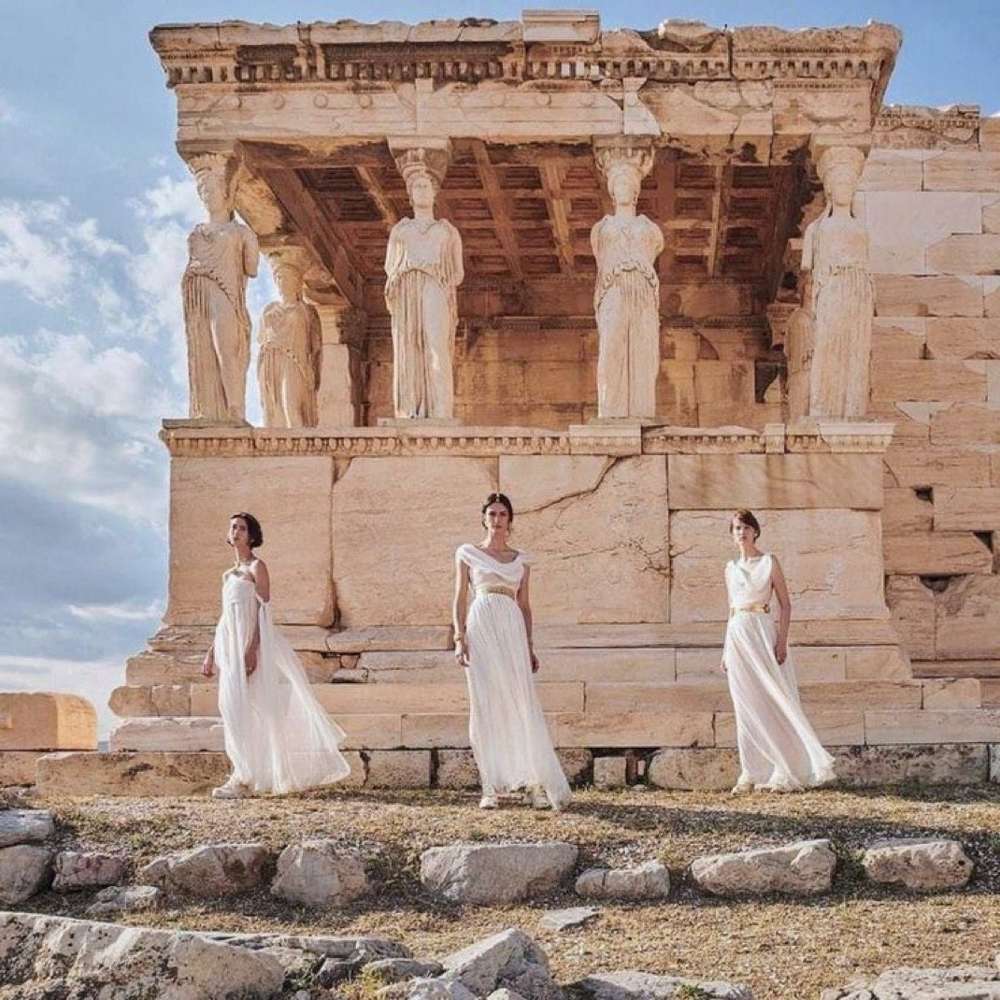
- The Acropolis of Athens. The Parthenon (447–432 BC) held the gold-and-ivory Athena Parthenos by Pheidias (Pausanias 1.24.5–7); the Erechtheion kept the olive and the ancient olive-wood image of Athena Polias (Pausanias 1.26.6–27.2).
- Sparta. The temple of Athena Chalkioikos, its bronze plates worked by Gitiadas, where the regent Pausanias died as a suppliant (Pausanias 3.17.2–3; Thucydides 1.134).
- Delphi. The sanctuary of Athena Pronaia, the Marmaria, with its round Tholos (Pausanias 10.8.6).
- Lindos. Her temple on the acropolis of Lindos in Rhodes.
Festivals
- Panathenaia. Her birthday festival on 28 Hekatombaion, with the Great Panathenaia every fourth year, when a new peplos was carried to the goddess.
- Plynteria and Kallynteria. In Thargelion the ancient image was washed and her temple cleansed (Plutarch, Alcibiades 34.1).
- Arrhephoria. Two young girls carried secret objects by night (Pausanias 1.27.3).
- Chalkeia. On 30 Pyanepsion, a festival of craftsmen shared with Hephaistos, when the weaving of the peplos began.
Offerings
A hecatomb of cattle was sacrificed at the Great Panathenaia, and winners in the games received amphorae of oil from her sacred olives. Her worshippers offer olive oil, woven cloth and the work of their hands.
Further epithets
- Τριτογένεια · Tritogeneia
- born by Triton (Theogony 924)
- Ὑγίεια · Hygieia
- of health, with a statue by Pyrrhos on the Acropolis (Plutarch, Pericles 13.8)
Birth and the primary sources
Athena was born from the head of Zeus. Hesiod tells that Zeus swallowed her mother Metis, and that the goddess came forth from his head, "equal to her father in strength and in wise understanding" (Theogony 886–900, 924–926). The Homeric Hymn 28 adds that she sprang out in golden armour shaking a sharp spear; great Olympus reeled, the earth cried out, the sea heaved, and Helios stopped his horses until she took the armour from her shoulders (28.4–16). Pindar says Hephaistos split the head of Zeus with a bronze axe, and Athena leapt out with a great war cry, at which heaven and Mother Earth shuddered (Olympian 7.35–38).
In the Iliad she is the champion of the Achaeans. She seizes Achilles by his fair hair to stop him drawing his sword on Agamemnon (Iliad 1.193–222), gives Diomedes the strength to wound Aphrodite and Ares (5.1–8, 5.825–863), and deceives Hektor at the last (22.226–247). In the Odyssey she is the hero's patron through every trial: disguised as Mentes and Mentor she guides Telemachos, and she rejoices in Odysseus because he is like her, "of all mortals the best in counsel and in stories, and I among the gods am famed for wisdom and craft" (Odyssey 13.296–299).
Her contest with Poseidon for Attica, in which her olive won over his salt spring, is told by Herodotus (8.55) and Apollodorus (3.14.1). Apollodorus also tells of Erichthonios, born from the earth when Hephaistos pursued the goddess; she raised the child in a chest and gave it to the daughters of Kekrops (3.14.6). She guided Perseus against Medusa and set the Gorgon's head on her aegis (Library 2.4.3), and helped Bellerophon bridle Pegasos with a golden bit (Pindar, Olympian 13.63–82). In Aeschylus's Eumenides she founds the court of the Areopagus to try Orestes, casts the deciding vote, and persuades the Furies to become the kindly guardians of Athens (Eumenides 470–489, 734–1047). Ovid tells her contest with the weaver Arachne (Metamorphoses 6.1–145).
Domains and symbols
Athena is goddess of wisdom and counsel, of strategy in war and the defence of the city, of law courts and assemblies, and of the crafts of the hand: weaving, pottery, carpentry and the building of ships, including the Argo. She wears the helmet and the aegis with the Gorgon's head, and carries spear and shield. The owl, the bird of Athens, is hers, and the olive, first planted by her on the Acropolis, from whose sacred trees came the oil given as prizes at the Panathenaia. The serpent that guarded the Acropolis was her companion; the Athenians fed it a honey cake every month (Herodotus 8.41).
Sanctuaries and cults
The Acropolis was her home: the Parthenon, the Erechtheion with its ancient image and sacred olive, and the Temple of Athena Nike. In Sparta she had the Bronze House, the Chalkioikos, on the acropolis (Pausanias 3.17.2); at Tegea the temple of Athena Alea was rebuilt by Skopas; at Lindos on Rhodes her temple stands high above the sea; and at Troy the Trojan women brought her a robe in vain (Iliad 6.286–311).
The Attic year was full of her rites. The Panathenaia was held on 28 Hekatombaion, her birthday, and every fourth year as the Great Panathenaia with the new peplos woven for her. The Chalkeia on the last day of Pyanopsion honoured her with Hephaistos as patrons of craftsmen, and it began the weaving of that robe. In Thargelion came the Plynteria, when her image was washed in the sea at Phaleron, and the Kallynteria, when her temple was cleansed. The Arrephoria in Skirophorion sent two girls by night with secret burdens from the Acropolis.
Statues and art
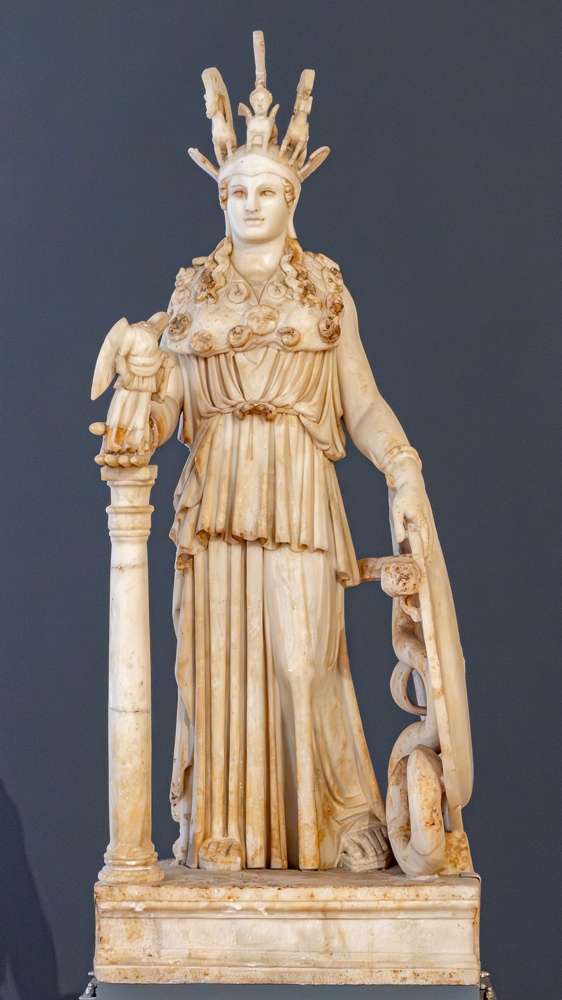
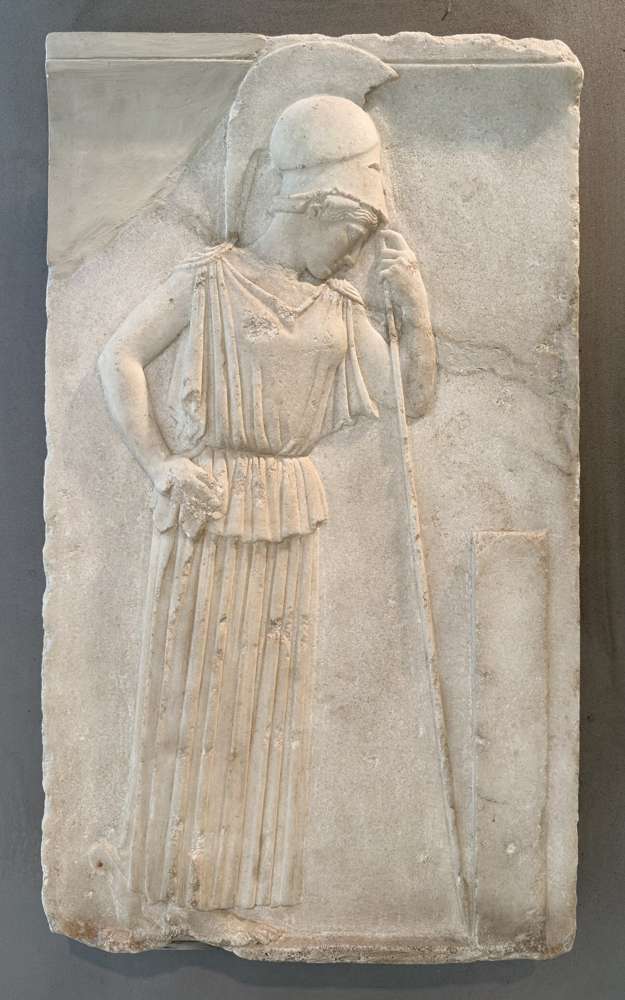
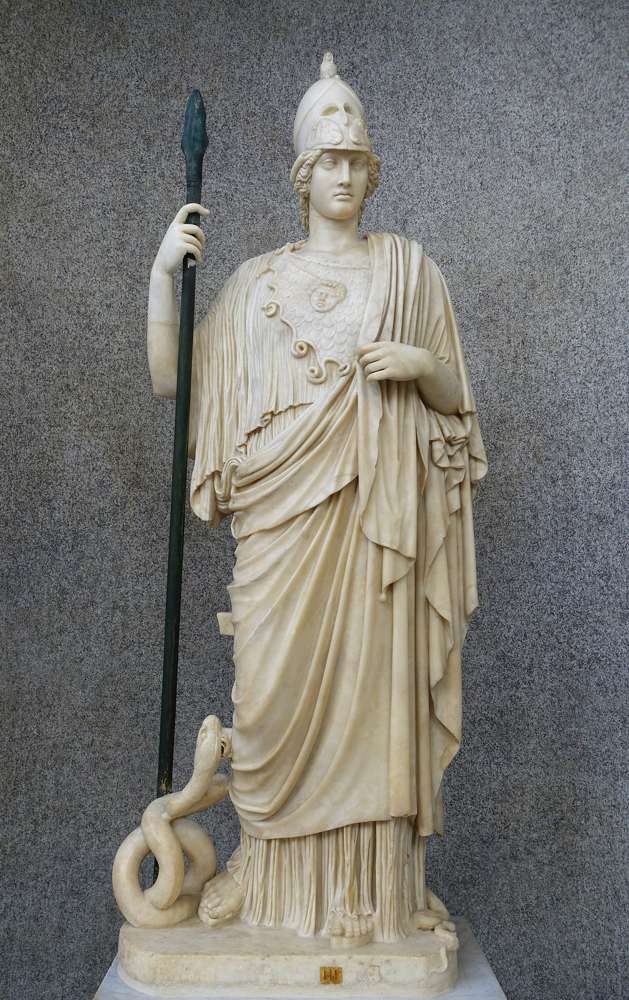
Pheidias made the gold-and-ivory Athena Parthenos, about 12 metres tall, dedicated in 438 BC. She stood with a Nike in her right hand and a shield at her left with a serpent coiled within; the shield bore the battle of the Amazons, and the sandals the battle of the Lapiths and Centaurs (Pausanias 1.24.5–7). The small Varvakeion Athena of the third century AD in Athens is the best surviving copy. Pheidias also made the bronze Promachos, whose spear point and helmet crest were seen by sailors rounding Sounion (Pausanias 1.28.2), and the Lemnian Athena, praised as his most beautiful work (Lucian, Imagines 4). The relief of the "Mourning Athena" in the Acropolis Museum, about 460 BC, shows her leaning on her spear before a stele. The Athena Giustiniani in the Vatican gives the Roman image of the serene goddess with her serpent.
Beneath the Divine Mind
Athena is the Divine Mind as wisdom: its clear, ordering intelligence turned toward right action, fractured off, personified and deified as the daughter born from the head of Zeus. Her birth from her father's thought is the myth of Nous bringing forth Mind's counsel. She stands beneath the One, as The One and the Many explains. She still acts in human affairs wherever a council chooses wisely, a craft is mastered, or a city is defended by reason rather than rage.
Honouring Athena today
- Offerings. Olive oil, olives, honey cakes and incense; a piece of one's own handiwork, a weaving or a carved object, offered at her altar on finishing it.
- Before study and judgement. Pray to Athena before study, an examination, a decision or a difficult argument.
- The months. Keep her birthday on 28 Hekatombaion with a meal and a gift of cloth; clean the household shrine at the Kallynteria and Plynteria in Thargelion; keep the Chalkeia at the end of Pyanopsion with any craft work.
- Hymn. Recite the Homeric Hymn above, or Homeric Hymn 28 on her birth.
Hymn
Of Pallas Athene, guardian of the city, I begin to sing. Dread is she, and with Ares she loves deeds of war, the sack of cities and the shouting and the battle. It is she who saves the people as they go out to war and come back. Hail, goddess, and give us good fortune with happiness!Homeric Hymn 11, To Athena. Homeric Hymns, tr. H. G. Evelyn-White (1914), public domain.
Images
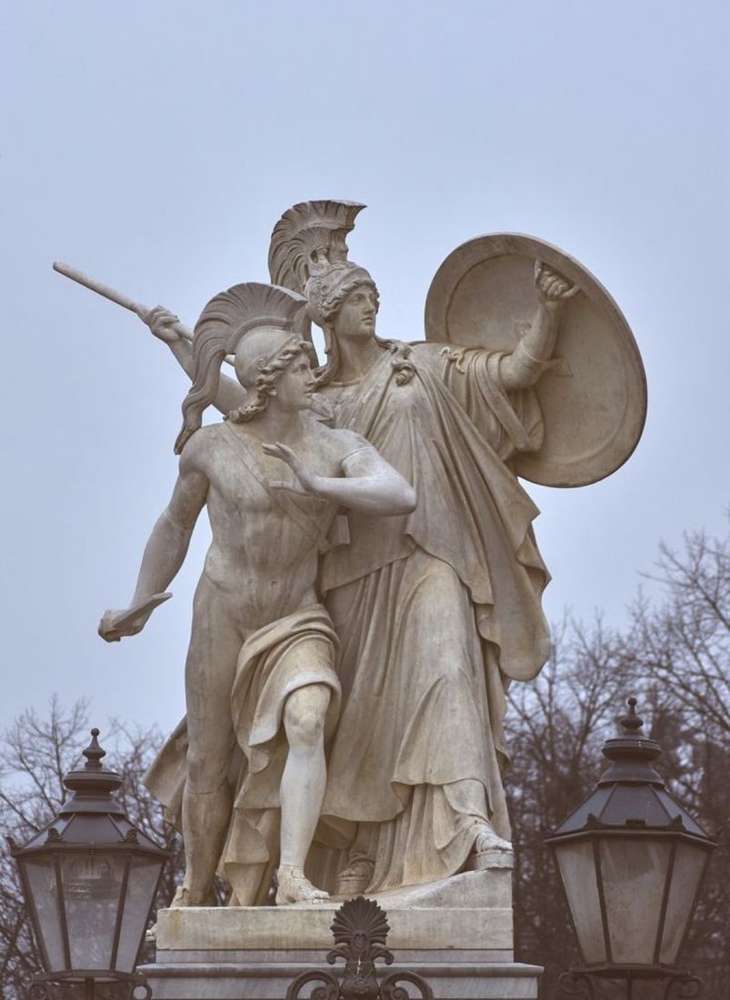
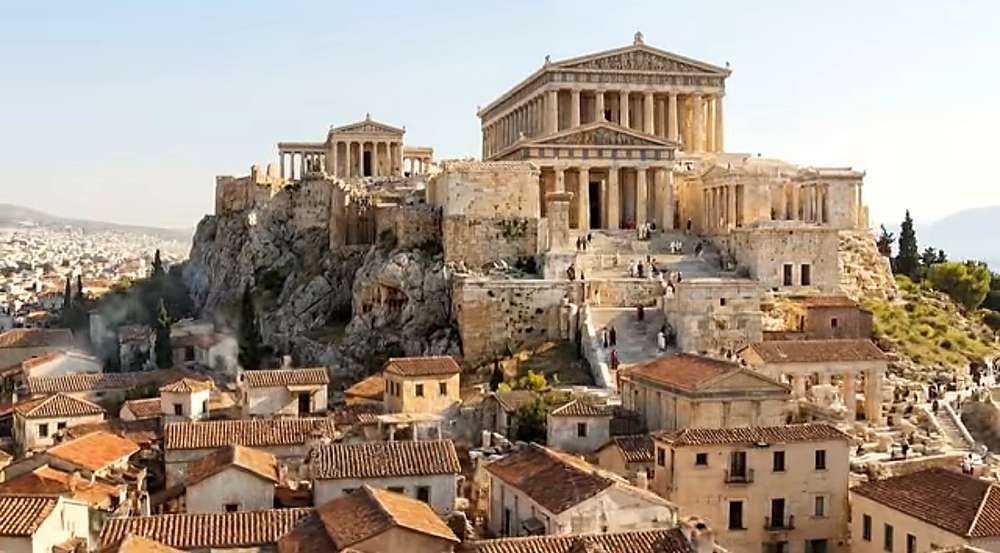
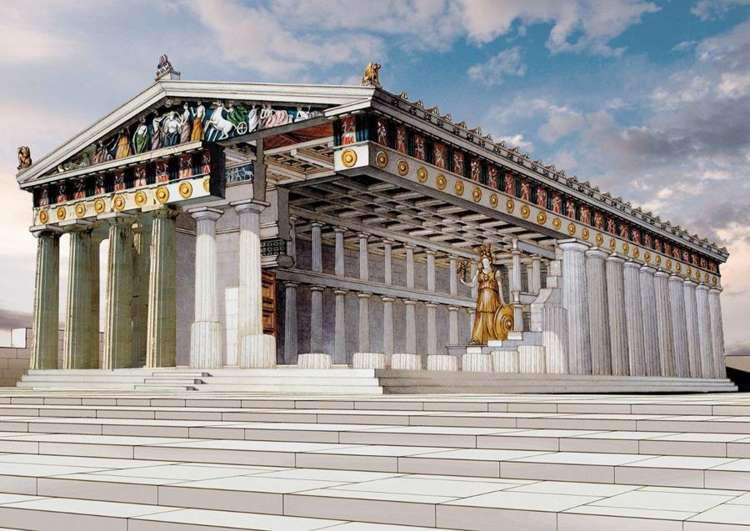
Nikos Kitsakis, CC BY 4.0, via Wikimedia Commons

Nikos Kitsakis, CC BY 4.0, via Wikimedia Commons

Daderot, Public domain, via Wikimedia Commons

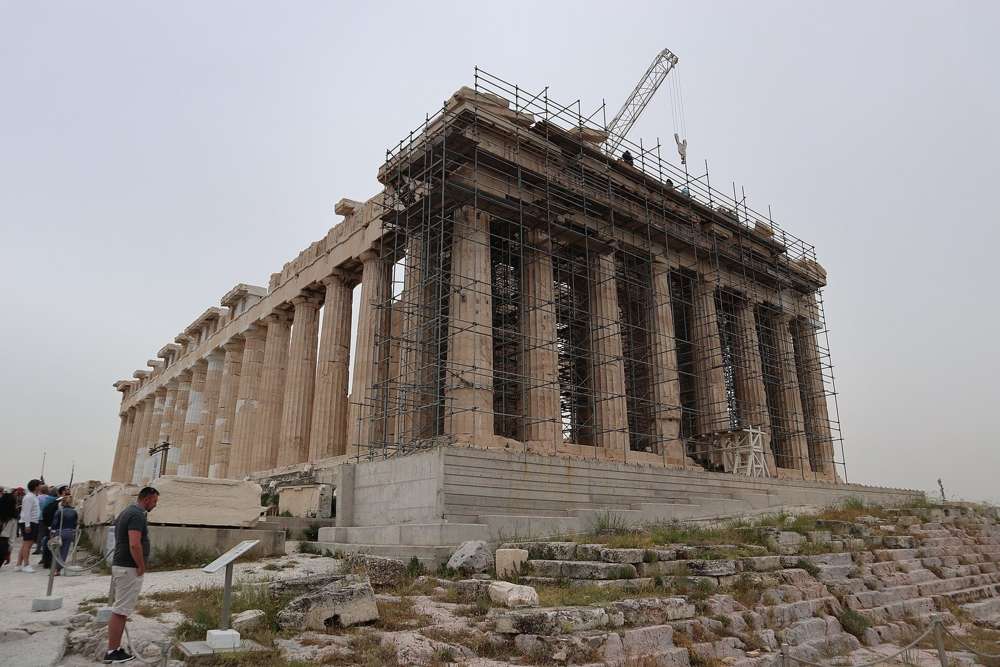
George E. Koronaios, CC BY-SA 4.0, via Wikimedia Commons

Sources
Hesiod, Theogony; Homeric Hymns 11 and 28; Homer, Iliad 1, 5, 6 and 22, and Odyssey 13; Pindar, Olympian 7 and 13; Aeschylus, Eumenides; Herodotus 8.41 and 8.55; Apollodorus, Library 2.4 and 3.14; Plutarch, Pericles 13; Lucian, Imagines; Ovid, Metamorphoses 6; Pausanias 1.24–28 and 3.17.
Quotations in public-domain translations (Evelyn-White 1914, Butler 1898/1900, Taylor 1792); other authors paraphrased.