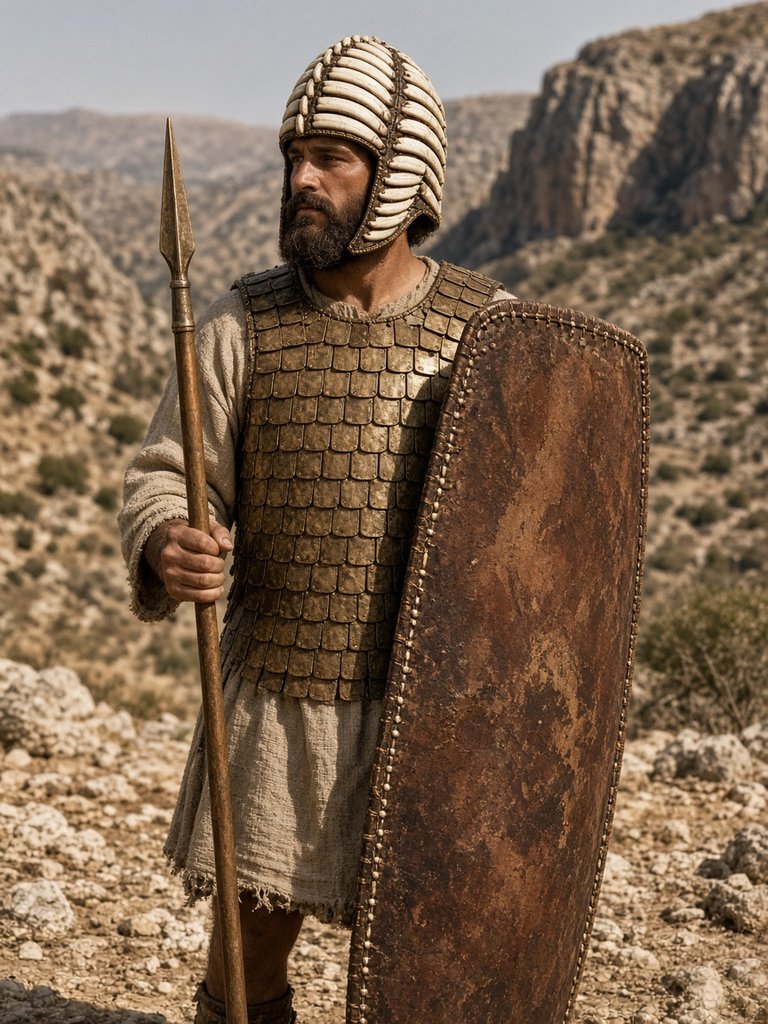
Iphikles was the son of Amphitryon and Alkmene, born as twin to Herakles but one night younger, since Herakles was the son of Zeus (Apollodorus 2.4.8, paraphrased).
When Hera sent two serpents against the infants, or Amphitryon put them in the cradle to learn which child was his own, Iphikles cried out and fled while Herakles strangled the snakes (Pindar, Nemean 1.33–50; Theocritus 24; Apollodorus 2.4.8, paraphrased). His son by his first wife was Iolaos, his brother’s charioteer and companion. When Herakles went mad, he threw two of Iphikles’ children into the fire along with his own (Apollodorus 2.4.12, paraphrased).
Iphikles took part in the Kalydonian boar hunt (Apollodorus 1.8.2) and fought beside his brother. He was mortally wounded in Herakles’ war against the Molione or against the sons of Hippokoon, and died at Pheneos in Arkadia (Apollodorus 2.7.3; Pausanias 8.14.9–10, paraphrased).
Epithets
- Ἀμφιτρυωνιάδης · Amphitryōniadēs
- son of Amphitryon
Symbols and virtues
The mortal brother beside the hero. Symbols: the cradle and the serpents, the spear.
Myths
- Twin of Herakles. Apollodorus 2.4.8.
- The serpents in the cradle. Pindar, Nemean 1.33–50; Theocritus 24.
- Father of Iolaos. Apollodorus 2.4.11.
- The Kalydonian hunt. Apollodorus 1.8.2.
- Death at Pheneos. Pausanias 8.14.9–10.
Cult and places
- Pheneos. His tomb was shown there and he received yearly offerings as a hero (Pausanias 8.14.10).
Sources
Hesiod, Shield of Heracles 48–56; Pindar, Nemean 1.33–50; Theocritus 24; Apollodorus 1.8.2, 2.4.8–12, 2.7.3; Pausanias 8.14.9–10.
Quotations in public-domain translations (Evelyn-White 1914, Butler 1898/1900, Taylor 1792); other authors paraphrased.