The Temple of the Hellenic Pantheon
A temple for the gods of Hellas. We keep the Attic year, honour the festivals of Sparta, and welcome every guest who comes in good faith.
Πάντα ῥεῖ: all things flow, as Heraclitus taught. Everything is evolving, and so too is this Temple. These pages are open to critique and collaboration, and they will grow and change over time.
Oracle of Delphi ἹεροφάντηςConsult the Hierophant
of Eleusis ἙκάτηConsult the Moon Goddess,
Hekate
Free while the Temple opens. Every voice is an AI character, not clergy.
Today’s Observations and Worship
Every voice here is an AI character, meant as a learning tool and drawn from ancient sources. The bots are not the gods themselves, and they are not clergy.
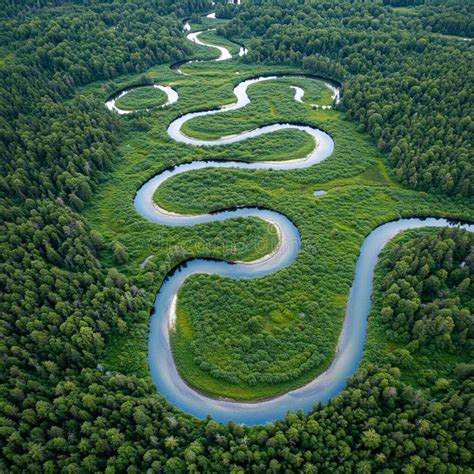
THE MEANDER The key pattern that borders every page of this site is the meander (μαίανδρος), often called the Greek key. It takes its name from the river Maeander (today’s Büyük Menderes in Turkey), which flowed between Caria and Lydia past Priene to the sea near Miletus, and whose god was Maeandros. Strabo (12.8.15) says its course was so exceedingly winding that everything winding came to be called “meandering.” The pattern was a leading motif of Geometric pottery (c. 900–700 BC) and was later carved and painted on temples. It is often read as a sign of eternity and unending flow, or as an image of the labyrinth; these are interpretations, not ancient certainties. For the Temple, the meander stands for the ebb and flow of life's path, which is never a straight line. Several meander designs alternate here from page to page.
The Gods’ Own Tongue
Greek words run all through these pages: hymns, epithets, festival names. The alphabet, the breathings and accents, punctuation and the Greek way of writing numbers are on their own page.